Acrylic Nails in Edinburgh: Prices, Types & Care

Acrylic nails can look simple: choose a shape, pick a colour, and sit back while the enhancement takes shape. The result depends much more on preparation, structure, hygiene, and removal than the finished photograph suggests. For anyone booking acrylic nails in Edinburgh, the right appointment should leave your natural nail healthy, your cuticles undisturbed, and your new nails practical enough for everyday life.
A good technician will assess the nail before recommending a length or shape. They should explain whether you need a full set, an overlay, or an infill. They should also be clear about the total price, the products they use, the appointment process, and what to do if lifting or breakage occurs.
This guide covers those decisions, from finding a suitable salon to maintaining and safely removing your set.
1. What Acrylic Nails Actually Are
Acrylic nails are enhancements made from two main components: a liquid monomer and a powder polymer. The technician combines them in the correct ratio, then applies the mixture to the prepared natural nail. A chemical reaction called polymerisation hardens the product and creates a rigid plastic structure.
Unlike gel products, conventional acrylic does not need a UV or LED lamp to cure. It hardens through the chemical reaction between the liquid and powder. A gel-coloured polish or gel-style top coat may be added later, but that does not change the underlying enhancement into a gel manicure.
The natural nail remains underneath. Acrylic is not a replacement nail fitted over the fingertip, and it is not attached in the same way as a press-on. It is built directly over the natural nail plate or free edge.
What the technician is building
A sound enhancement needs more than a thick layer of product. It needs:
- A clean, dry nail plate
- Controlled cuticle preparation
- Proper adhesion where the system requires it
- A balanced curve through the middle of the nail
- A supported free edge
- Enough thickness to resist impact
- Minimal excess product around the skin
The curved area near the base is often called the apex. It helps distribute pressure and reduces the chance that the nail will bend sharply at the front. Too little structure can lead to breakage; too much can make the nail feel heavy or create pressure on the natural plate.
The product should follow the nail’s intended shape rather than conceal it beneath an uneven bulk. A well-balanced enhancement may feel firmer than a thin, flexible one, but it should not feel as though there is a hard shelf sitting on top of the nail.
What acrylic does not do
Acrylic does not permanently stop natural nail growth. As your natural nail grows, a visible gap develops near the cuticle. That gap must be filled at an infill appointment.
It also does not make the natural nail immune to damage. Filing, aggressive preparation, prolonged moisture exposure, and poor removal can still weaken the plate. The safest approach is to preserve as much healthy natural nail as possible while maintaining the enhancement.
2. How to Choose an Acrylic Nail Salon in Edinburgh
My rule for choosing a salon is simple: judge the technician’s preparation and nail care, not only the most dramatic design in their portfolio. A beautiful set built on an over-thinned nail is not a better result than a clean, balanced natural look.
Edinburgh clients can look across the city centre, New Town, Leith, Portobello, Stockbridge, Morningside, and surrounding south Edinburgh neighbourhoods. Location matters less than consistency. A nearby salon that uses a clean process and protects the natural nail is a stronger choice than a fashionable studio that rushes appointments.
A mobile acrylic technician can also provide a professional service, but the home setup should offer the same hygiene, lighting, ventilation, and organised tools as a salon. Strong odours, poor lighting, crowded work surfaces, or uncollected dust are reasons to stop and reconsider.
Check recent work, not just viral images
Look for photographs of full sets, short overlays, infills, and natural nail maintenance. The nails should have:
- A clean line around the cuticle
- No acrylic resting on the skin
- A balanced curve rather than a heavy lump
- Smooth, controlled sidewalls
- No visible over-thinning of the natural plate
- Consistent results across several clients
Ask to see a set similar to the length and design you want. Dramatic long nails and short natural nails require very different structural decisions. If every photo features extreme length, long extensions, or heavy nail art, that may not reflect the result you will receive.
Ask how hygiene is handled
A professional should be comfortable answering practical questions about sanitation. Ask whether they:
- Wash their hands before beginning each client
- Clean and disinfect or sterilise reusable tools appropriately
- Use a new file, buffer, wooden stick, and other single-use items for each client
- Keep products in labelled, closed containers
- Protect work surfaces from filing dust and product spills
- Have suitable dust extraction or other controls for filing
- Dispose of contaminated implements safely
The presence of a nail drill is not itself a hygiene concern. A poorly controlled drill can create dust and debris, while careful hand filing can also generate dust. The important point is whether the technician controls the process.
If you prefer not to have an electric file used, ask for a drill-free appointment. You should still ask how filing dust is managed. “No drill” should not mean filing without extraction in a poorly ventilated room.
Understand the product before booking
Ask which system the salon uses and whether it is a full-set acrylic, gel-acrylic hybrid, or another branded system. “Acrylic” is a broad term, and products can differ in their monomer, adhesion method, and application process.
A responsible technician should also ask about previous reactions before applying product. Acrylate allergy can occur even after someone has worn the same system successfully for months or years. A product marketed as hypoallergenic, HEMA-free, or latex-free may still contain other materials that cause sensitivity.
Compare like-for-like quotes
A low advertised price may apply only to a short infill on uncomplicated nails. It may not include:
- Removal of another set
- A full-set service
- Extra length
- Nail art or a specialty finish
- Repair of one or more nails
- A mobile visit
- A consultation or aftercare products
Ask for the total price of the exact service you want. Explain the length, design, current nail condition, and whether you are coming from another technician. A clear quote prevents a low-cost expectation from turning into an unexpected bill.
Walk away from shortcuts
Do not continue if a technician:
- Ignores redness, swelling, pain, or signs of infection
- Refuses to hear about a previous reaction
- Files the natural nail until it is extremely thin or white
- Covers large areas of lifting with more product
- Applies enhancement over an open wound
- Uses an unclear or unlabelled product
- Cannot explain the appointment process
- Gives a total only after the work has begun
- Uses aggressive pressure without checking how it feels
Recent reviews can help, but look for specific comments about hygiene, communication, nail damage, punctuality, and aftercare. A large number of vague ratings tells you less than a detailed review describing how the salon handled a problem.
3. Full Set, Overlay, Infill, Repair, or Removal
Book the service that matches what needs changing, not simply the service with the longest name. A minor gap does not always need a full set, while widespread lifting or structural damage cannot be solved with a small infill.
| Service | What the technician does | Best suited for |
|---|---|---|
| Full set | Removes or reshapes the existing enhancement, prepares the natural nails, and creates a new acrylic structure. Length can be added or changed. | A first appointment, a major shape change, replacing damaged product, or creating more length. |
| Infill | Adds or refines product near the grown-out cuticle area while retaining the existing structure. | Regular maintenance before lifting, separation, or excess growth becomes a problem. |
| Overlay | Adds a thin strengthening layer with little or no free-edge extension. | Clients who want their natural length with extra support. Suitability depends on nail strength. |
| Repair | Rebuilds one broken, cracked, or separated area. | A small break that does not affect the whole set. The cause should be inspected first. |
| Reshape | Files and rebalances the existing product without rebuilding the entire set. | A slightly uneven shape, provided the product and natural nail remain healthy. |
| Removal | Carefully removes old acrylic while minimising damage to the natural plate. | A break in the set, a damaged natural nail, a product change, or a planned break from enhancements. |
A full set often takes longer than an infill because the technician is building the structure from the beginning. The exact appointment time depends on nail condition, length, product condition, art, and the technician’s process. A booked consultation or longer appointment is usually more sensible than squeezing a full set into a short refill slot.
What affects the price of acrylic nails in Edinburgh
There is no responsible single price for every set. Current local pricing depends on the salon, the technician’s experience, the service, and the work required. The most useful quote is the one that reflects your actual nail condition and chosen design.
Important factors include:
Starting condition
A well-maintained set may be straightforward to refill. Heavily lifted, thickened, damaged, or unknown product can require more removal and preparation.Length and shape
Longer nails and shapes requiring substantial tapering take more product, filing, and structural control.Service type
An infill, overlay, full set, and multi-nail repair are not comparable prices.Design complexity
A solid finish requires less time than detailed nail art, three-dimensional decoration, extensive colour blending, or individual sculpted work.Removal needs
Removing another set, especially one containing several layers, may be quoted separately.Repairs
A technician may need to replace rather than simply fill a nail. Ask for approval before any substantial extra work.Product and salon standard
Product cost, ventilation, hygiene procedures, sterilisation, and technician training can all affect the price. A lower quote should not automatically be considered better value if the preparation is rushed.
When comparing prices, give every salon the same brief. Ask whether the quote includes consultation, removal, length, design, repair, and aftercare. Also establish the cancellation policy, deposit terms, and payment methods before booking.
4. What Happens During a Professional Appointment
A good appointment follows an orderly process. The exact order may vary with the system, but you should be able to see why each step is being performed.
1. Consultation and health check
The technician should look at your natural nails and ask about:
- Current acrylic, gel, or other enhancements
- Any known product allergy
- Previous removal problems
- Nail infections or recent damage
- Medical conditions that may affect the nail or skin
- Your preferred length, shape, and design
- How you use your hands at work and home
Show reference photographs rather than expecting a technician to copy a highly filtered image exactly. Shape, nail bed, growth pattern, and natural strength differ from person to person.
2. Assessment and removal of old product
If you already have acrylic, the technician needs to know what they are working with. A previous set may contain several layers or a combination of acrylic, gel polish, builder products, and adhesive systems.
A small area of old product may be filed first to identify the structure. Not every nail needs full removal. The goal is to remove what can no longer be safely retained without taking excessive natural nail with it.
3. Hand and tool preparation
Hands and tools should be prepared before the natural nail is touched. A clean, organised workspace makes it easier to keep used files and buffers away from clean implements.
If a cuticle tool draws blood, the procedure and tool processing become more important. You have the right to ask how the salon controls the risk of cross-contamination. Minor pain or a small nick should not be treated as something to brush aside casually.
4. Cuticle preparation
The cuticle area is cleaned and shaped so the enhancement does not sit on the skin. The technician may use nippers or other tools if the cuticle is unusually thick or lifted.
Excessive cutting is not a sign of a thorough manicure. The living skin around the nail needs protection. If you feel sharp scraping, pinching, or unusual pressure, ask the technician to pause.
5. Nail plate preparation
The natural plate is lightly shaped and cleaned so the acrylic can adhere. Dust and moisture can interfere with the bond. Excessive filing is another problem because it removes the natural layers that give the nail strength.
At the end of this stage, the plate should be clean but not stripped. A nail that becomes extremely thin, ragged, white, or painful during preparation needs a different plan, not simply more producton top.”
6. Applying the acrylic structure
The technician places small, controlled amounts of mixed acrylic near the upper nail plate. The product is guided into an even curve before it sets. Flooding the cuticle area can create a bulky edge, while leaving the apex too flat can make the finished nail weak under pressure.
The consistency, number of beads, and application method depend on the chosen system. A trained technician should follow the manufacturer’s instructions rather than copying an arbitrary bead size or “one-pass” method from a social-media tutorial.
Pay attention to the balance between the upper nail plate and the free edge. The transition should feel supported without creating a heavy ridge. If you press the nail from above, it should feel firm rather than floppy, but it should not rock or flex like a miniature spoon.
7. Refining the shape and surface
Once the acrylic has set, the technician files the sidewalls, free edge, and surface. This removes bulk, sharp corners, and uneven transitions. A thicker layer may be added first to create structure, then reduced to the correct shape.
The natural nail should remain visible where appropriate. If the enhancement hides the entire nail plate and extends far beyond the fingertip, it may be difficult to monitor weakening underneath. Very long extensions can also place considerable leverage on the natural nail.
8. Applying colour and finish
After the structure is refined, the technician applies colour, pigment, nail art, or a gel-style finish as requested. A gel top coat must be cured according to its instructions. Even if the underlying enhancement is traditional acrylic, the colour system may still be a UV gel.
A thin, well-cured colour layer can improve the finish without adding unnecessary thickness. The cuticle line should remain clean, and no product should pool against the skin.
9. Final checks and aftercare
Before the appointment ends, ask the technician to check the following:
- Every nail feels balanced
- The free edge is supported
- No acrylic is touching the skin
- The cuticle line is clean
- The shape suits your grip and daily routine
- The product has had the recommended setting time
- You understand how to care for lifting or damage
The nail technician can finish by applying cuticle oil after all filing dust and polish residue have been removed. Oil hydrates the skin around the nail, but it does not repair an acrylic-to-nail separation or replace proper infills.
How to Choose a Length and Shape That Works
The most useful nail shape is the one you can use without catching, peeling, or repeatedly breaking it. Length should be based on more than appearance. It should account for your job, children, typing, exercise, gloves, frequency of hand washing, and tolerance for pressure on the fingertips.
Ask to see the shape in real life as well as in photographs. An almond nail can look elegant while still leaving room at the fingertip. A pointed stiletto or very long coffin nail may be difficult to use on keyboard keys, steering wheels, and tightly fitted shoes.
| Shape | Appearance | Practical considerations |
|---|---|---|
| Round | Soft, understated outline | Often comfortable for first-time clients and frequent hand use. |
| Oval | Rounded sides with a gentle almond appearance | Versatile and usually less likely to catch at the corners than a pointed shape. |
| Square | Straight sides and a flat free edge | Can look neat, but the corners need careful filing to prevent snagging. |
| Soft square | Squared outline with softened corners | A practical compromise between square and oval. |
| Almond | Tapered sides and a softly pointed tip | Gives a more elongated look without the extreme point of a stiletto. |
| Coffin or ballerina | Tapered sides with a flat or squared tip | Attractive at moderate length, but longer versions need a strong, even structure. |
| Stiletto | Strong taper to a pointed tip | More prone to bending and catching; best treated as a statement shape rather than a low-maintenance option. |
A salon should be honest when a requested length is likely to be uncomfortable or structurally risky. It is reasonable to ask for a slightly shorter version. The technician can still create length, colour, and visual drama through the shape and design.
Choose a practical first set
If this is your first acrylic appointment, a moderate length and rounded shape can help you adjust to the added weight. Many clients choose a neutral colour, a simple finish, and no long extension at the first visit. You can add more length at a later appointment once you know how the set feels during work and daily tasks.
Avoid asking for maximum length and detailed art in the same appointment unless you have plenty of time and a clear reference. Longer appointments can increase the likelihood of rushing, and the technician may need to balance structural work against decorative work.
Preparing for Your First Acrylic Appointment
Arrive with clean hands and as little old product as possible unless removal is the purpose of your visit. Do not apply lotion, cuticle oil, or hand cream shortly before the appointment. Oil on the nail plate can make it harder for some products to adhere.
It helps to bring or send the salon:
- Reference images
- A note about the length you want
- Your preferred shape
- The names of any products you know you have reacted to
- A list of relevant medical conditions or prescribed medicines
- Any details about a previous nail injury
Remove rings that cannot be cleaned comfortably underneath. Nail technicians often ask clients to take off rings before the service because they can trap moisture, interfere with filing, or hold product against the skin.
Wear clothing that gives you easy access to your hands. If you are coming straight from work, rolling up a tight sleeve or bringing a loose overshirt can make the appointment more comfortable.
Questions to ask before booking
A clear consultation should answer all of these:
- Is my natural nail strong enough for the requested length?
- Do I need a full set, infill, overlay, repair, or removal first?
- What products will be used?
- Are those products known to contain acrylates or other potential allergens?
- How long will the appointment take?
- Is the total price inclusive of removal, art, and repairs?
- What should I do if a nail lifts before my next visit?
- What is the salon’s policy for breakage or accidental damage?
- How is the workspace ventilated and cleaned?
- What do I need to do before arriving?
A technician may not be able to guarantee an exact result without seeing the nail, but they should be able to explain the options and limitations.
Colours, Designs, and Finishes
Acrylic can be finished with regular polish, gel colour, pigment, powder, foil, chrome powder, matte top coat, glossy top coat, or hand-painted detail. The best choice depends on how much maintenance you want and how often you plan to change the design.
If you want a manicure that lasts through several weeks, ask how the colour system affects the infill cycle. Some finishes can make the growing-out area more noticeable. White tips, deep contrast colours, and elaborate art may need more regular attention than a sheer or neutral shade.
For a polished but straightforward look, consider:
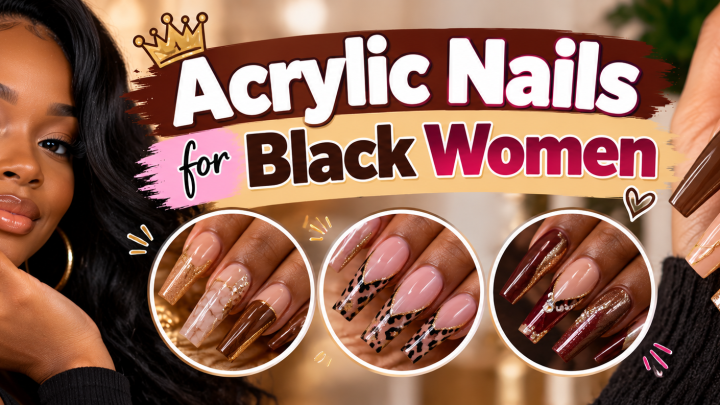
- A translucent nude or soft pink
- A warm neutral that suits your skin tone
- A glossy finish with a thin colour layer
- A milky finish for a softer appearance
- A single accent nail rather than a fully decorated set
- A short almond or oval shape with modest length
For a bolder set, you can choose stronger colour or art, but check how it will look as the nail grows. If you plan to keep the same design until the next full set, a pattern that does not depend on a perfect match at the cuticle may be easier to maintain.
Colour choice can be made more confidently by looking at swatches in daylight and under indoor lighting. A shade that looks perfect under salon lighting can appear more yellow, pink, or muted outdoors. If you are choosing between several shades, ask to see them on a nail and wait for the liquid to settle before deciding.
A good colour finish should not be thick enough to distort the shape. Thick gel or polish can add a small amount of extra rigidity, but it also creates pressure near the free edge if it is applied too heavily.
When selecting colour and finish, it can be useful to compare longer-lasting nail polish options before visiting a salon. A blended manicure, such as a simple ombré finish, may also help you decide how much visual impact you want.
How to Care for Acrylic Nails Between Appointments
Good maintenance is mostly about reducing avoidable stress and noticing changes early. Acrylic can last well when the application is sound, but no enhancement is indestructible.
Clean underneath the free edge
Dirt and moisture can collect under the acrylic. Clean the area when you wash your hands, using a clean, soft implement designed for the job. Do not use a sharp knife, household tool, or abrasive object.
After showering or washing dishes, dry carefully around and under the free edge. Pay particular attention when the nails are longer, because water can remain trapped there.
Use gloves for wet work
Rubber or nitrile gloves can reduce exposure to prolonged water and cleaning products. They are especially useful when washing dishes, cleaning the bathroom, gardening, or handling chemicals.
Gloves should not be worn for long periods when your hands are already damp. Moisture trapped in warm gloves can create a damp environment around the nail. Dry your hands fully before putting them on.
Avoid using nails as tools
Opening packages, scraping labels, lifting heavy objects, and picking at thread can lead to small cracks that become full breaks. A crack may start away from the free edge and spread toward the stress area without warning.
If you notice a rough edge, file it smooth rather than trying to pull it off. Do not use a nail file so aggressively that you cut into the natural nail.
Do not bite or pick at lifting
Lifting is usually a sign that the bond has separated. Picking at the gap can pull moisture underneath the acrylic and worsen the separation. It can also create a rough edge that damages the surrounding skin.
If lifting occurs, contact the salon. If the gap is small and you cannot make an appointment immediately, keep the area clean and dry and avoid pulling at it.
Use cuticle oil on the skin
Cuticle oil is useful for dry skin and cuticles. Apply it after handwashing or at the end of the day, then wipe away any oil from the nail plate before the next application or infill.
Oil will not prevent every type of nail damage. However, well-hydrated surrounding skin is more comfortable and less likely to crack or tear during cuticle care.
For broader advice on supporting the condition of your natural nails, see simple habits for healthier-looking nails. If you wear gel colour between appointments, ways to speed up drying can reduce the temptation to rush a manicure.
What Counts as Normal Wear and What Needs Attention
Minor surface marks and a small amount of dullness are normal between appointments. A full set should not routinely bend, lift, crack, or press painfully into the skin. If you are constantly adjusting the set with your fingers, something is likely off.
| What you notice | What it may indicate | What to do |
|---|---|---|
| A small area lifting near the free edge | Moisture, friction, a rough nail edge, or impact | Clean and dry it, avoid picking, and contact the salon if it grows. |
| Lifting near the cuticle | A gap has formed where the natural nail has grown away from product | Arrange an infill or repair soon. Do not attempt to glue it shut yourself. |
| A visible crack | The structure may have lost flexibility or impact resistance | Have the technician assess whether the set can be reinforced or needs rebuilding. |
| Pain when pressing the nail | The curve may be too steep, the product may be pressing on the plate, or the natural nail may be damaged | Stop wearing pressure over the area and seek an in-person assessment. |
| Thick, yellow, or discoloured material | A lifting area, trapped moisture, staining, or damage may be present | Do not assume colour is the cause. Have the nail inspected. |
| A rough edge or exposed corner | The acrylic has not been finished smoothly or has broken at the sidewall | Avoid scratching it and ask the salon to smooth or rebuild it. |
| Sudden swelling, warmth, severe pain, or pus | Possible infection or significant injury | Stop using the area and obtain prompt professional medical advice. |
A nail can look cosmetically acceptable while still needing structural attention. Conversely, a small blemish may be harmless. The technician’s in-person assessment is more reliable than a photograph.
Lifting, Breakage, and Nail Separation
One of the most useful rules in nail care is not to diagnose a nail problem solely by its colour. Green or yellow discolouration can be associated with a range of issues, including moisture trapped beneath a lifting enhancement or damage under the product. A salon should determine the cause rather than simply painting over it.
If one nail lifts
Stop using the nail as a tool and keep the area clean. Do not flood the gap with household glue, nail glue, or additional acrylic. Cyanoacrylate glues and nail products are not designed to replace a properly prepared nail enhancement.
If the lifting is small and the appointment is soon, the technician may be able to remove the old product and rebuild the area. If the nail is painful, wet underneath, or badly damaged, removal may be safer than a repair.
If one nail breaks
Stop the break from spreading. If the break is near the free edge and the natural nail is sound, a technician may be able to reinforce the remaining acrylic. If the crack reaches the nail bed or the nail feels loose, a full replacement is usually more predictable.
If you have a sudden break before your appointment, take a clear photo for the salon but do not use it as a substitute for an examination. The salon may need to check for hidden damage or a product allergy.
When removal is better than repair
Removal should be considered when:
- Several nails are lifting
- The natural plate is painful or visibly weak
- The acrylic is too thick to maintain
- You are changing products or length significantly
- The set has become difficult to clean underneath
- A previous application has left an unclear product situation
- The nail repeatedly breaks at the same point
- The enhancement is causing skin irritation
A break in the set does not always mean the entire set must be removed. A good technician can decide whether one nail, several nails, or all nails need attention.
How to Avoid Nail Damage From Acrylic
The natural nail is most vulnerable during preparation and removal. You can reduce the risk by choosing conservative care and asking questions when something feels wrong.
Do not ask for the extension to be built as thick as possible just to make it feel rigid. A rigid but badly curved nail can put more pressure on the fingertip than a thinner, properly balanced one.
Do not allow the enhancement to cover the cuticle or sit heavily against the skin. The cuticle area should remain clean, and the skin should not be stretched or compressed under the product.
Do not keep acrylic on until the natural nail is severely overgrown or the set is unstable. A small gap is easier to refill than a large, dirty, or damaged separation.
Do not file a lifting area yourself with a coarse file. The friction and dust can worsen irritation, and the pressure can make you accidentally damage the natural plate.
Do not ignore symptoms. Redness, swelling, warmth, strong pain, blistering, or separation need a proper assessment. The FDA’s acrylic nail safety guidance explains that acrylates can cause irritation and allergic contact dermatitis in some people, even when products have been used previously without trouble.
Allergies and skin reactions
Acrylate allergy can develop after repeated exposure. A person may react to a product they have used before, especially after a period of not using it. Symptoms can include:
- Itching or burning
- Redness or rash
- Swelling
- Tiny blisters
- Tenderness
- Changes around the nail
- Separation of the enhancement
If you notice a reaction, stop using the product and contact a qualified healthcare professional if the symptoms persist or are significant. Do not attempt to treat a suspected allergy with another nail chemical. A salon should record the reaction and advise you to seek medical guidance before returning for another acrylic appointment.
If you have breathing difficulty, rapidly spreading swelling, or a severe reaction, seek emergency medical care.
Ventilation, Dust, and Product Safety
Acrylic liquid monomer and filing dust can irritate the eyes and airways. A salon should work in a well-ventilated area and use suitable dust control and personal protection. Ask whether the technician can explain how the workspace is managed, particularly if you have asthma, allergies, or a sensitivity to strong smells.
The scent of a nail salon is not a reliable quality test. Different monomers have different odours, and a low-odour product may still contain chemicals that cause irritation. Strong fragrance is also not proof that a technician is using a superior system.
Do not apply product near an open flame or other ignition source. Follow the product’s safety instructions, including ventilation and storage directions. Keep bottles closed when they are not being used.
Nail technicians should avoid working on a client whose nail or surrounding skin has an open wound, infected cuticle, or unexplained inflammation unless a qualified professional has assessed the situation and the salon has a safe process.
Can You Fill or Repair Acrylic Nails at Home?
A small infill can look like a simple gap to fill, but the underlying issue may be lifting, contamination, uneven structure, or a crack. Home application is safest only when the nail and product are in good condition, you know exactly which system is being used, and you can follow its instructions without forcing product into the cuticle or skin.
If the nail is lifting, damp, painful, cracked through the base, or made with an unknown product, home repair can turn a manageable problem into a larger one. It can also expose you to incompatible products and increase the amount of natural nail removed later.
A home appointment needs:
- A ventilated, clean workspace
- The correct liquid and powder system
- A nail file and buffer
- Cuticle preparation tools
- A clear plan for application and drying
- Protective gloves if recommended by the product instructions
- A safe removal plan
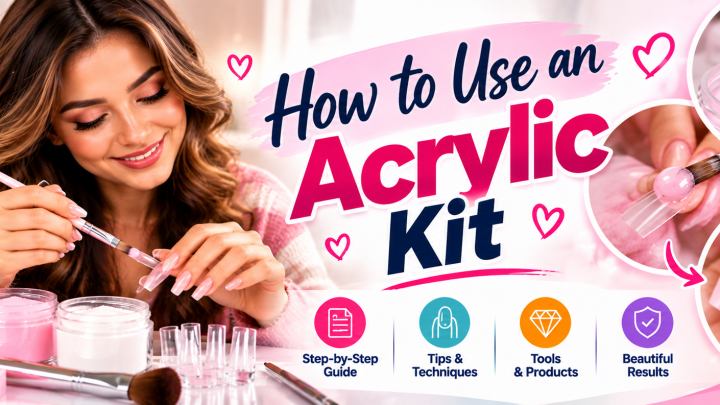
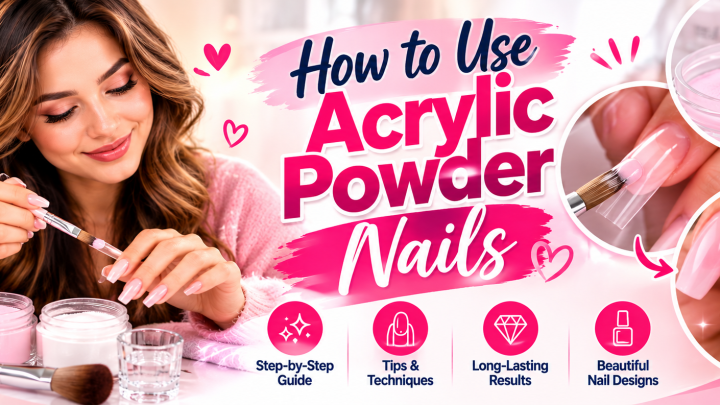
If you are new to enhancements, a step-by-step introduction to home acrylics can explain the basic process. It should not replace professional advice when the natural nail is weak or damaged.
If you prefer not to use an electric file, a trained technician can file by hand while controlling the shape and dust. You can also understand the drill-free technique before booking, then tell the salon what you want. Do not assume that every technician will use the same products or technique.
How to Remove Acrylic Nails Without Wrecking Your Natural Nails
There is a point when removal is safer than continued maintenance. A set that is repeatedly lifting, has become very thick, is causing a skin problem, or has lost its structural balance should be assessed before the next infill.
Do not pull or bite the acrylic off. A hard set can fracture unpredictably and take healthy layers of the natural nail with it. Do not use a knife, screwdriver, or household metal tool to pry underneath the product.
The safest removal process depends on the acrylic system, the amount of product, the underlying nail, and the previous application. A salon may need to file the product down carefully before soaking it or use a controlled removal method. If the product contains a gel component, the removal process may differ from traditional acrylic.
When a professional removal is the better option
Professional removal makes sense when:
- You do not know what products are on the nails
- The set is thick or several layers deep
- A nail is lifting or has a deep crack
- The natural plate feels weak
- A nail is infected, swollen, or painful
- You have reacted to nail chemicals before
- You do not have the right products or a safe workspace
If you remove an enhancement at home, use only a product intended for the material you believe is present. Follow its directions, avoid prolonged or repeated soaking, and stop if the nail hurts. Do not wrap the nails so tightly that pressure builds underneath.
After removal, wash and dry the hands, apply cuticle oil to the skin, and leave the natural nails free from artificial product for recovery.
If the nail feels very thin, ridged, white, or painful, do not immediately book another full set. Let the natural plate recover and see how it looks without an enhancement on top. A guide to strengthening nails after acrylics can help with the recovery period, but persistent pain, infection signs, or deep damage should be assessed by a medical professional.
Removing length at home
If the main problem is that the nails are too long, you may be able to shorten them gradually before the next appointment. Do not cut deeply into the acrylic or attempt to remove the whole set without understanding the structure. If you do decide to trim an overlong set, the process of reshaping acrylic nails safely should be followed carefully.
Stop if the nail bends, cracks, or feels unstable.
Acrylic Nails Compared With Other Nail Enhancements
Acrylic is only one option. The right choice depends on how much length you want, how long you can leave the nail alone, your allergy history, and how much maintenance you are prepared to do.
| Option | Strength and structure | Main maintenance | Useful for |
|---|---|---|---|
| Acrylic | Strong, highly customizable structure | Regular infills; careful removal | Flexible length, shape, colour, and nail art |
| Gel | Smooth, often glossy finish; usually cured under a lamp | Regular infills; UV or LED exposure for removal | A polished finish and simpler shaping |
| Gel-acrylic hybrid | Uses a gel-like system and lamp curing | Follow the exact product instructions | Clients who want a lightweight, smooth result |
| Dip powder | Can create a strong, even coating | Regular replenishment; careful removal | A polished finish without liquid monomer |
| Press-on nails | Convenient and removable | Reapply or replace as they lift | Temporary length or a quick change of style |
| Natural nails | Requires no enhancement product | Regular cutting, filing, and cuticle care | Lowest chemical exposure and healthy nail maintenance |
| Nail overlays | Thin reinforcement over the natural nail | Fills and shaping as the nail grows | People who want their natural length with extra support |
Choose acrylic when you want a strong custom set
Acrylic is useful when you want a specific length, a shaped free edge, sculpted correction, or durable nail art. It is also a good option for people whose nails need more structure than an overlay can provide. The trade-off is that the natural nail is covered by product and must be maintained through regular appointments.
Choose an overlay when you want less extension
An overlay may be suitable if your natural nails are already long and relatively healthy. It adds a small amount of reinforcement without creating a major free edge. It will not fix a severely weak or damaged nail.
Choose press-ons when flexibility matters
Press-on nails can be useful for occasional wear. They are removable and may offer a simple alternative to a salon-applied enhancement. They still need careful preparation, strong adhesive, and responsible removal.
Do not glue them on over damaged product and expect the bond to last.
Choose natural nails when recovery is the priority
If your natural nail is peeling, splitting, infected, or sore, removing the enhancement and focusing on nail health is usually more sensible than immediately rebuilding it. A salon can help distinguish a structural problem from a temporary dryness issue.
How to Get the Most Out of Each Appointment
The first few appointments are a good time to test a shape and length before committing to a long-term look. Wear the set for a full workweek and notice whether you can:
- Type comfortably
- Grip objects
- Wash between your fingers without snagging
- Wear work gloves
- Exercise without lifting the nails
- Sleep without catching them in bedding
- Apply sunscreen, makeup, or products without smudging
If you notice a problem, photograph it and bring the images to your next appointment. A photo can help the technician understand when the issue started, but it cannot replace checking the nail in person.
At your infill, tell the technician about:
- Which nails lifted
- Which nails broke
- Any pain or skin irritation
- Areas that collect dirt
- How quickly your cuticles grow out
- Whether you want the same length and shape
A little information at each appointment helps the technician adjust the next one.
The Edinburgh Salon Checklist
Before booking acrylic nails in Edinburgh, make sure you have a clear answer to these questions:
- Are my natural nails healthy enough for the requested design?
- Is the technician experienced with the length and shape I want?
- Will the salon use a single compatible system or mix products?
- How are cuticles and the nail plate prepared?
- How is the nail enhancement shaped and supported?
- How are reusable tools and single-use items handled?
- How is filing dust controlled?
- How is ventilation provided?
- What is the exact total cost?
- Is removal included?
- What happens if a nail breaks or lifts?
- How long should I wait before booking an infill?
- Can I see recent work that resembles my request?
- Have allergies and previous reactions been discussed?
The last question is especially important. Product safety is not an inconvenience or a reason to avoid a manicure. It is part of a professional service.
Frequently Asked Questions
How often do acrylic nails need infills?
Many clients return for infills roughly every two to four weeks, but the right interval depends on nail growth, product thickness, nail health, and how the set is worn. A larger gap is easier to maintain correctly than a gap that has become dirty, lifted, or uneven. The salon should set a schedule after assessing your nails rather than relying on a fixed date.
How long does a full set of acrylic nails take?
A full set usually takes longer than an infill because the technician is reshaping, removing, or applying the underlying structure. The exact time depends on nail condition, length, design, and the product system. Book the service the salon says is appropriate rather than choosing a short refill slot for a full rebuild.
How much do acrylic nails cost in Edinburgh?
The cost depends on whether you need a full set, infill, overlay, repair, or removal. Length, shape, product condition, art, and the salon’s service standards also affect the total. A responsible salon should give a clear quote after understanding your requested design and the condition of your natural nails.
Compare the full service, not only the advertised starting price.
Can I change the shape of my acrylic nails?
Often, yes. A longer square set can usually be reshaped into an oval, round, or soft almond if the product and natural nail are healthy. A very short nail or one with damage may need to be rebuilt instead of filed into a different shape.
The technician should explain whether a redesign is safe without over-thinning the natural plate.
Do acrylic nails damage natural nails?
Acrylic can be worn without permanent damage when the natural nail is prepared conservatively, the enhancement is applied properly, and removal is handled carefully. Damage is more likely when the nail is filed too thin, product is removed forcefully, or lifting is repeatedly filled over moisture. Choose a technician who protects the natural plate rather than promising a longer set at any cost.
Can I paint over acrylic nails?
Yes. You can use regular polish or compatible gel colour if the salon prepares the surface correctly. Tell the manicurist about the existing finish before booking, because removal requirements may differ.
Thick layers should not be added over a lifting or damaged area.
How long should I wait before using my hands after getting acrylic nails?
You can usually use your hands during the appointment and after the technician confirms the set is ready. Follow the product-specific setting and curing instructions. If the nails feel soft, unstable, painful, or unusually warm, stop using them and contact the salon.
Do not try to speed curing with heat unless the manufacturer specifically recommends it.
Can I remove acrylic nails at home?
Removal is possible when the system is known and the natural nails are healthy, but professional removal is safer for thick, lifting, cracked, or unfamiliar product. Do not pull the set off or use sharp tools. If you have a known allergy, pain, swelling, infection signs, or a weakened nail, ask a professional to handle the removal.
Why are my acrylic nails lifting?
Lifting can result from moisture, friction, a rough nail edge, excess product movement, an uneven application, or an unsuitable nail surface. The problem is not always the colour or the client’s habits. A technician should clean the area, identify the cause, and decide whether an infill, repair, rebuild, or removal is appropriate.
Can I get acrylic nails over gel or dip powder?
The old product may need to be removed or reduced so the new system can adhere properly. A thick, incompatible layer can trap moisture or prevent the acrylic from bonding. Tell the salon what is currently on the nails and how long it has been there.
Do not build a large amount of product over an old, lifting set.
How do I choose a colour for acrylic nails?
Choose a shade based on your skin tone, hand colouring, and how much contrast you want. Look at samples in natural and indoor light. A sheer neutral can look polished with minimal maintenance, while a bold or high-contrast finish may need more touch-ups as the nail grows.
Confirm whether you want regular polish, gel colour, or a specialty finish.
Can I use an electric file at home to shorten an acrylic set?
An electric file is a useful professional tool, but it must be used with care. Incorrect pressure, a dirty bit, or too much time in one area can thin the natural nail and heat the surface. If you are unsure, do not use a drill near the natural plate.
Ask the salon to reshape the set instead of trying to correct a major length problem yourself.
The Best Acrylic Nail Experience
A strong Edinburgh acrylic manicure is not defined by the longest length or the most expensive product. It is defined by a healthy natural nail, a well-balanced structure, clean preparation, transparent pricing, and aftercare you can follow.
Book a consultation when you are unsure about the shape, have damaged nails, or are changing systems. Ask for a clear breakdown of the service and take your time choosing the level of length and detail. During the appointment, speak up if the preparation feels too aggressive or if you experience pain, burning, or pressure that does not feel right.
With sensible maintenance, regular infills, and careful removal, acrylic nails in Edinburgh can be a durable and highly personal way to change your look while keeping the health of your natural nails in the centre of the appointment.
Amazon and the Amazon logo are trademarks of Amazon.com, Inc, or its affiliates.
Author


Similar Posts