how to use nail clipper for ingrown nails
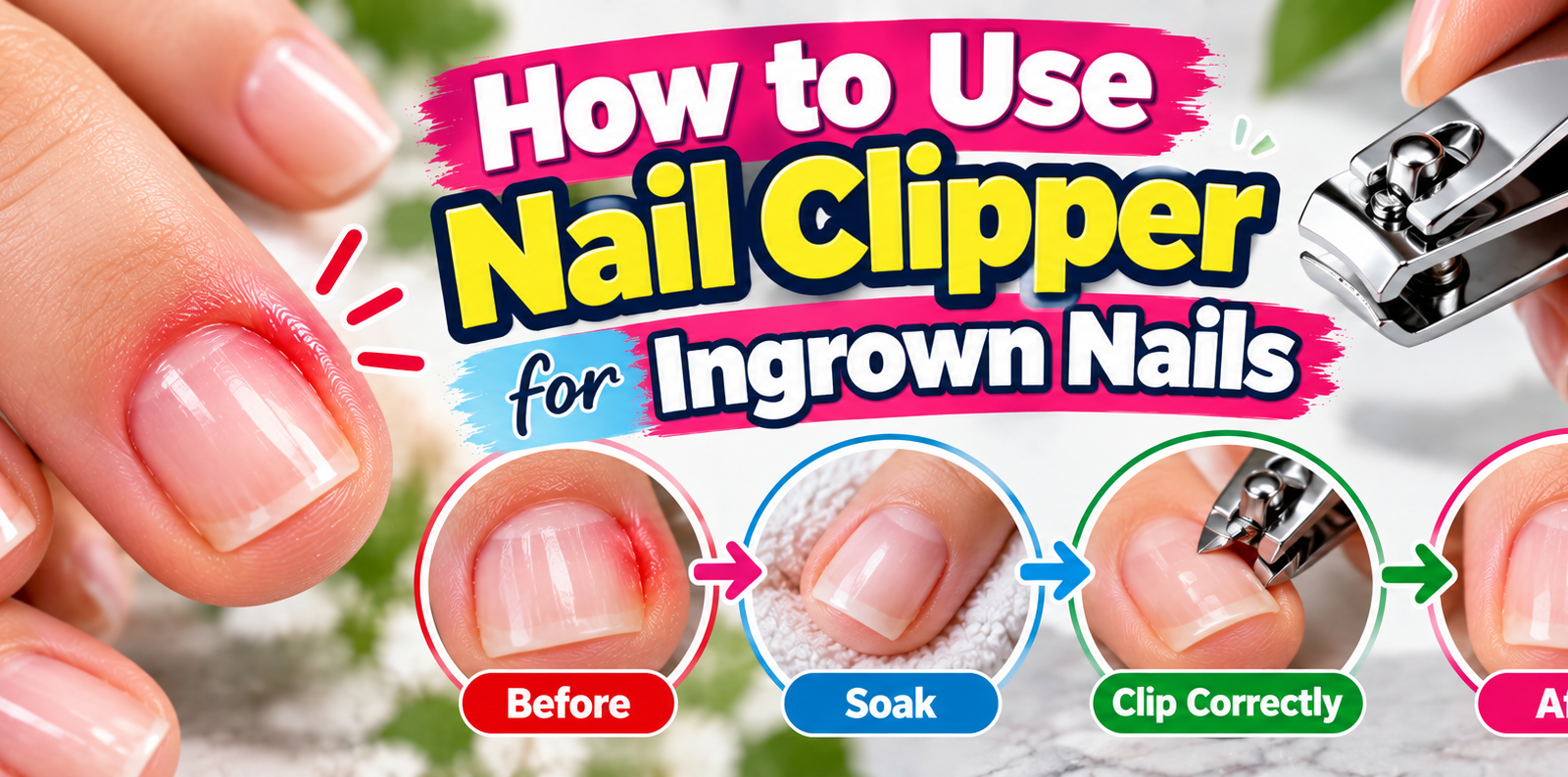
There is nothing quite as sharp and sudden as the pain of an ingrown toenail. If you are wondering how to use nail clipper for ingrown nails safely, the answer comes down to one critical principle: trimming straight across without digging into the corners. Doing it wrong can make the problem worse or push bacteria deeper into the tissue.
Per data from the American Podiatric Medical Association, ingrown toenails affect roughly 5 to 10 percent of the general population. People who wear tight shoes, play sports, or have thick hard nails face higher risk. This guide walks you through the right technique, the tools that actually help, and the red flags that mean you should stop and see a professional instead.
Quick Answer
You can use a nail clipper for mild ingrown toenails by soaking the foot first, clipping straight across, and filing the corners smooth. Never round the edges. Never cut into the skin.
If you have diabetes, poor circulation, or signs of infection, skip home care and see a podiatrist right away.
The Quick Answer: Safety First
Let us get the most important point out of the way immediately. Most people with mild ingrown toenails can manage them at home. But a small number of situations demand professional care before you even pick up a clipper.
Mistakes here are not cosmetic. They can lead to serious infections, abscesses, or in rare cases for vulnerable people, bone involvement.
Home care works when all of the following conditions hold true. You do not have diabetes. Your circulation is good.
You feel normal sensation in your toes. There is no pus, no red streaks moving up the foot, and no fever. The nail edge is irritated but not deeply embedded with visible swelling.
If any of those conditions fail, go to a podiatrist. Period. The decision tree is simple.
Safe for home care leads to the steps later in this guide. Unsafe for home care leads to a clinic visit. Do not second guess yourself on that boundary.
Who should absolutely avoid home clipping
People with diabetes or prediabetes should never attempt to trim an ingrown toenail themselves. Diabetes can cause peripheral neuropathy. That means you might not feel a cut forming.
It also slows healing. A small nick can become a serious ulcer within days. The same warning applies to anyone with peripheral arterial disease or known circulation problems.
Immunocompromised individuals face similar risks. This includes people on chemotherapy, those with autoimmune conditions taking immunosuppressants, and transplant recipients. Their bodies cannot fight off bacteria as effectively as healthy immune systems.
Athletes and dancers who ignore the warning signs often turn a minor irritation into a chronic problem. Repeated trauma from tight shoes and high impact keeps the nail margin irritated. That cycle makes proper trimming harder and increases the chance of recurrence.
Warning signs that mean stop now
Watch for these three categories of red flags. Any one of them means the situation has moved beyond safe home management.
Signs of spreading infection include redness that extends beyond the immediate nail edge. Look for warmth radiating across the toe. Check for pus or yellow discharge.
Pain that worsens rather than improves after 24 to 48 hours of conservative care matters too.
Systemic symptoms like fever or chills always warrant immediate medical attention. Red streaks traveling up the foot or leg indicate lymphangitis. That is a bloodstream threat and needs emergency evaluation.
Deep embedding where the nail corner has pierced through the skin counts as a structural problem. Pulling at it with clippers will not fix it. A podiatrist can lift the spicule cleanly under sterile conditions.
Understanding Ingrown Nails and Nail Anatomy
To trim correctly, you need to understand what you are working with. An ingrown toenail, medically called onychocryptosis, happens when the lateral edge of the nail plate grows into the surrounding soft tissue. The nail fold, that strip of skin wrapping around the side of the nail, gets irritated.
Over time it swells. The swelling pushes more skin against the nail edge. That creates a vicious cycle of pressure and pain.
The great toe carries the brunt of this problem. Up to 95 percent of ingrown toenails occur on the big toe. Why the big toe?
It bears the most force during walking and running. It lives inside the narrowest part of most shoes. The nail grows slower there than on fingers.
Slow growth means more time for the edge to catch on fabric and curl downward.
The nail plate and its growth pattern
Your toenail grows from the matrix, a hidden root zone under the cuticle. New nail cells form there and push older cells forward. Those older cells keratinize and harden into the visible nail plate.
Toenails grow roughly 1 to 1.5 millimeters per month. Fingernails grow about three times faster. That speed difference matters.
A toenail issue takes weeks to surface visibly. By the time you notice pain, the problematic edge may have been pressing into tissue for some time.
The nail curve, or transverse curvature, plays a direct role in ingrown development. Some people inherit nails with a pronounced convex curve. These nails tend to dig into the sides as they grow.
Others have flatter nails that pose less risk. Shoe pressure can increase curvature over time. Tight footwear acts like a mold, forcing the nail to grow into a narrower channel.
The nail groove and lateral folds
Each side of the nail sits in a shallow groove bordered by the lateral nail fold. When that fold becomes inflamed, it swells upward and inward. The swollen tissue effectively narrows the groove.
The growing nail edge now has less room. It meets resistance instead of clearing the skin freely.
Normal nail trimming keeps the free edge level with or slightly above the tip of the toe. The corners should remain square, not rounded. Rounding the corners removes the protective edge that clears the nail fold.
It leaves a sharp point that can more easily penetrate the soft tissue underneath.
What causes the nail to turn inward
Several factors combine to create the typical ingrown nail scenario. Genetics set the baseline. Family history of curved nails significantly raises your risk.
Foot structure matters too. Hallux valgus, the bunion deformity, shifts pressure onto the big toe joint and can distort nail growth direction.
Trauma initiates many cases. Stubbing your toe, dropping something heavy on it, or repeated impact from sports compresses the nail bed. The nail may lift slightly from the bed.
As it regrows, the loose edge curls downward into the fold.
Poor footwear is the most common preventable cause. Shoes with a narrow toe box squeeze the front of the foot. Socks that are too tight add another layer of compression.
Running, hiking, and soccer all increase forward sliding of the foot inside the shoe. That repetitive impact drives the nail into the surrounding skin over months and years.
Excessive sweating softens both nail and skin. Moisture weakens the keratin structure of the nail plate. Softer nails bend and curl more easily under pressure.
People who stand all day or live in hot climates face added risk from this mechanism.
The Critical Decision: When to Clip at Home vs. See a Podiatrist
This section matters more than any other part of this guide. Getting the decision right prevents complications. Getting it wrong can turn a manageable irritation into a painful infection that requires prescription antibiotics or minor surgery.
The core question is always the same. Is your condition mild and uncomplicated, or does it show signs of severity? Walk through this checklist honestly.
Be kind to yourself. False confidence here leads to worse outcomes.
The home care eligibility checklist
You may safely attempt home trimming only if every item below applies to your situation.
- No diagnosis of diabetes or prediabetes
- Normal sensation in the affected toe, no numbness or tingling
- No history of poor circulation or peripheral vascular disease
- No signs of active infection: no pus, no spreading redness, no warmth
- No fever or chills
- The nail edge is tender but not deeply embedded through the skin
- You can see the problematic corner clearly without straining
- You have a partner or good lighting to help you see what you are doing
- You own appropriate tools: sharp nail clippers and a file
One failed item changes the recommendation entirely. Skip to the podiatrist section and book an appointment.
How to assess severity at home
Stand in front of a mirror with good lighting. Look at the affected toe from the top and the side. Gently press the skin beside the nail.
Note whether you feel sharp pain versus dull pressure. Sharp pain suggests the nail edge is actively penetrating tissue. Dull pressure suggests inflammation without penetration.
Check the color of the nail fold. Pink or normal skin tone indicates mild irritation. Bright red, purple, or dark red suggests significant inflammation.
White or yellow discharge means infection is already present. Clear fluid is normal inflammatory response. Cloudy or greenish fluid is bacterial.
Measure the size of any swelling. Compare the affected toe to the same toe on your other foot. Mild swelling that stays localized around the nail edge is concerning but may be manageable.
Swelling that involves the entire toe or spreads to the web space between toes signals deeper involvement.
Timeline expectations for home treatment
If you proceed with home care, track your progress daily. Mild cases should show improvement within 48 to 72 hours. The pain should decrease.
The redness should fade. Swelling should go down. You should feel less pressure when walking.
If you see no improvement after three full days of proper care, stop. Book a podiatry appointment. Progress matters more than hope.
Waiting longer rarely helps. Sometimes improper home treatment makes things worse by introducing bacteria or creating new sharp edges.
Worsening symptoms demand immediate action regardless of timeline. Increased pain, spreading redness, pus formation, or fever mean the infection is advancing. Do not wait.
Seek care the same day.
When to choose professional treatment
Podiatrists handle ingrown toenails daily. They have instruments and techniques that do not exist in a home bathroom cabinet. A minor procedure called partial nail avulsion removes just the offending edge.
The remaining nail stays intact. The procedure takes minutes. Recovery is fast.
Recurrence rates drop significantly when combined with matrixectomy, which destroys the corner nail root permanently.
If your ingrown nail keeps coming back, home clipping will not solve the root cause. Recurrent ingrown nails, defined as three or more episodes in a year, usually indicate a structural issue. Your nail may have excessive curvature.
Your toe bone may be shaped in a way that creates constant pressure. Only a professional assessment can determine the best long-term solution.
Chronic cases that persist for weeks despite home care fall into the professional category too. Time matters. Every day the nail presses into inflamed tissue, the chances of secondary infection rise.
Podiatrists can relieve the pressure quickly and set you on a healing path.
Understanding the risks of each path
Home care carries real but manageable risks when done correctly. The main danger is improper technique creating new sharp edges. Dull clippers crush rather than cut, leaving rough edges that irritate tissue.
Cutting too far into the corner removes the protective shelf of nail and exposes sensitive nail bed. Aggressive digging introduces bacteria from under the nail into open tissue.
Professional care carries minimal risk when performed by a licensed podiatrist. The procedure uses local anesthetic. Infection rates are extremely low due to sterile technique.
The main downsides are cost and the brief discomfort of the injection. Some people worry about scarring. Matrixectomy leaves a small area of scar tissue but prevents future episodes effectively.
Cost comparison matters for some readers. A single podiatry visit for partial nail avulsion typically ranges from $200 to $600 without insurance. Insurance often covers medically necessary procedures.
Home care costs roughly $10 to $30 for basic tools. The savings sound appealing until you count repeat attempts that fail and eventual professional treatment anyway.
Choosing the Right Tool: Nail Clippers for Ingrown Toenails
The tool you choose directly affects your ability to make a clean cut. Wrong tools create jagged edges, crush the nail, or simply cannot reach the problematic corner. Right tools give you control and precision.
This section breaks down what actually matters when shopping for clippers.
Standard nail clippers vs. toenail clippers
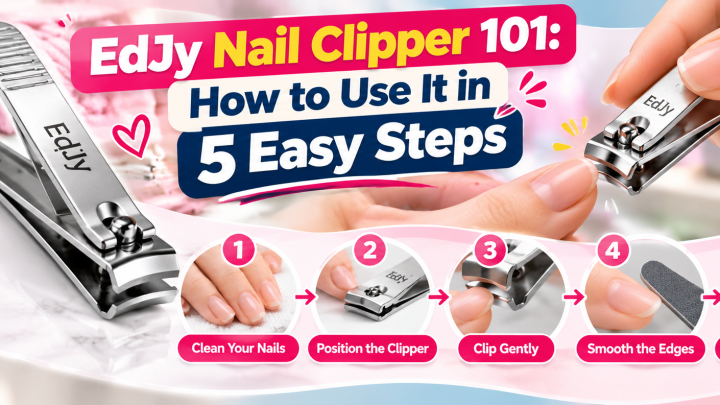
Regular nail clippers designed for fingers are too small for toenails. Toenail clippers have larger blades and longer handles. The bigger cutting surface accommodates the wider toenail plate.
Longer handles provide more leverage. That leverage matters because toenails are thicker and harder than fingernails.
Look for clippers made from stainless steel. Stainless resists rust and corrosion from moisture and cleaning alcohol. Cheap carbon steel clippers rust quickly and lose their edge.
Rusty clippers introduce contamination risk. They also crush nails instead of slicing cleanly.
Curved vs. straight cutting edge
This distinction matters enormously for ingrown nail prevention. Curved blade clippers follow the natural arc of the toenail. They produce a rounded cut that matches your nail shape.
The problem is that rounding the corner encourages the nail to grow into the fold. That is exactly what causes ingrown nails.
Straight blade clippers or flat-cut clippers produce a squared-off edge. The corner remains square. That square edge clears the nail fold as the nail grows.
It reduces the chance of the tip digging into soft tissue. If you struggle to find true straight-edge clippers, standard toenail clippers work if you consciously cut straight across and resist curving the cut at the corners.
Nail nippers with corner lifters
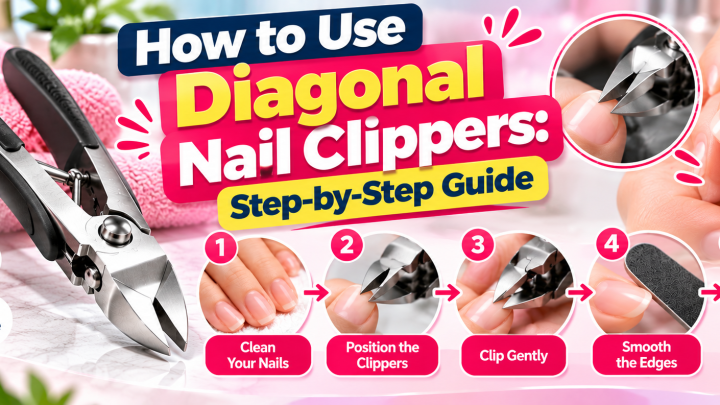
Nail nippers differ from standard clippers. They have a small hooked blade at the tip. The hook lifts the embedded nail corner away from the skin before you cut.
This design gives you visibility into the groove where the nail meets the fold. You can see exactly where the spicule sits.
Professional podiatrists often use nail nippers for removing lateral spicules. The hook protects the surrounding skin while the blade targets only the problematic fragment. Home users can benefit from this tool too, but only for very mild cases where the corner is barely embedded.
Do not attempt deep digging with nippers at home.
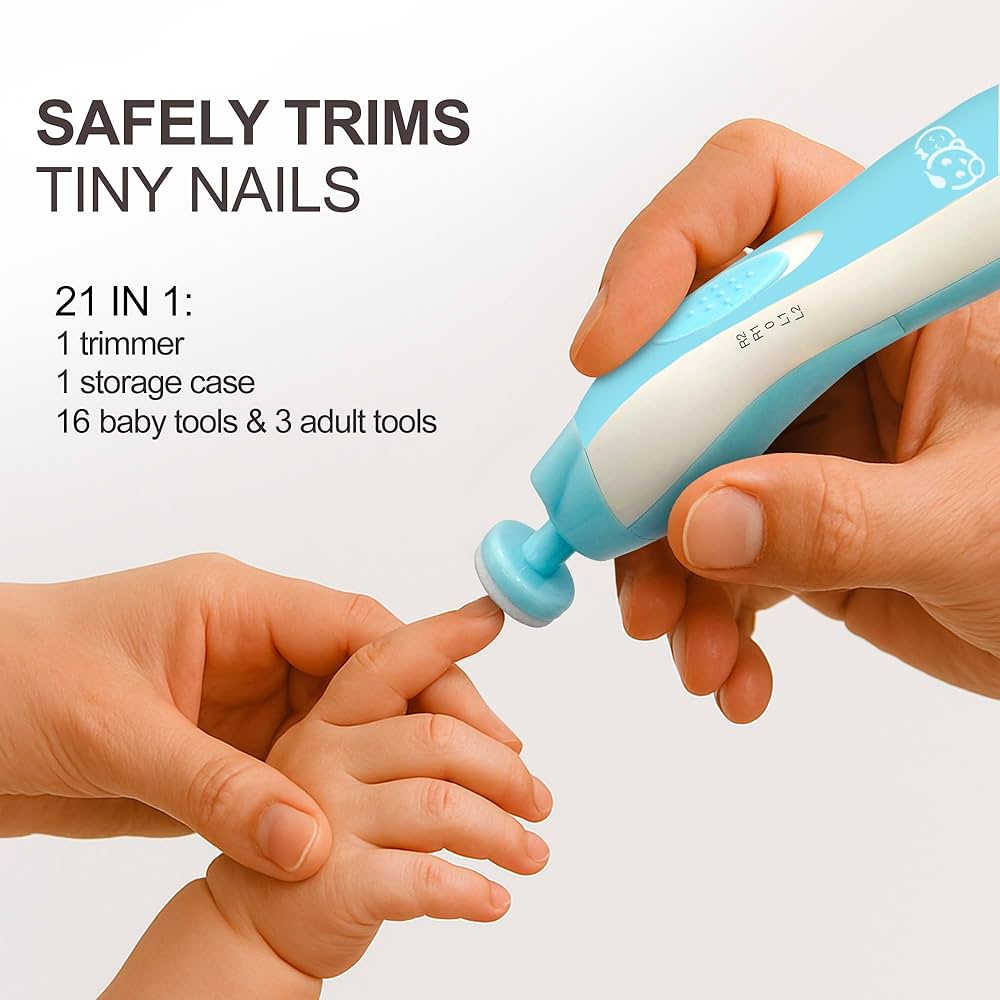
Electric nail grinders and files
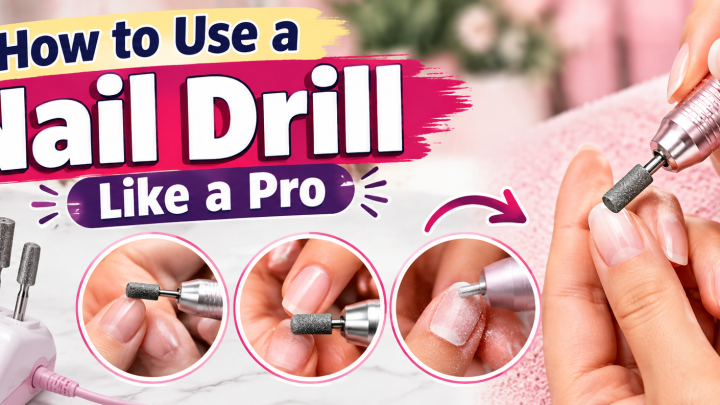
Electric nail grinders, sometimes called rotary nail files, use rotating abrasive heads to shape the nail. They file rather than cut. This approach eliminates sharp corners entirely.
You can smooth the edge until it feels round and comfortable. Some people find grinders gentler than clippers because there is no crushing action.
The downside is limited access. Grinders cannot reach deep into the nail fold. If the problematic spicule is already buried under swollen skin, filing the surface top does not solve the problem.
Grinders work best as a finishing tool after clipping, not as a replacement for proper trimming.
What to avoid
Never use scissors for toenails unless they are specifically designed as toenail scissors. Regular household scissors crush and tear. They lack the precise cutting action of proper clippers.
Nail scissors also increase the risk of accidentally cutting the skin around the nail.
Avoid clippers with plastic coatings on the blades. Coatings chip and peel. Fragments can contaminate the wound area.
They also hide the blade edge, making it harder to judge sharpness. Plain polished stainless steel shows wear and allows visual inspection of the cutting edge.
Stay away from oversized clippers meant for very thick nails if your nails are average thickness. The large blade head obscures your view. You cannot see exactly where the cut lands.
Precision requires matching tool size to nail size.
Recommended features for home use
Sharp blades are non-negotiable. Test your clippers periodically. They should slice through a fingernail cleanly without crushing.
If they tear or require multiple bites, replace them. Dull clippers are dangerous for ingrown nail care.
Ergonomic handles reduce hand fatigue. People with arthritis or limited grip strength benefit from spring-loaded or wide-grip designs. Comfort matters because you need steady hands for precise cuts.
Shaking or straining leads to slips.
A built-in magnifier on the clipper helps some users see the cutting area more clearly. This feature is optional but useful for people with vision challenges.
Step-by-Step: How to Safely Trim an Ingrown Toenail
Follow these steps carefully. Order matters. Skipping preparation increases risk.
Rushing the actual cut causes mistakes. Taking your time produces better results.
Step one: gather your supplies
You need a few items before you begin. Good lighting is essential. Natural daylight or a bright lamp positioned to eliminate shadows works best.
Have a clean towel ready. Prepare a basin large enough to soak your foot. Gather nail clippers, an emery board or nail file, antiseptic solution, and a sterile bandage.
Optionally keep cotton balls and mild soap nearby.
Check your clippers first. Ensure the blades are sharp and clean. Wipe them with rubbing alcohol before starting.
Dirty tools introduce bacteria into irritated tissue.
Step two: soften the nail and reduce swelling
Soak your foot in warm water for 15 to 20 minutes. Warm water softens the nail plate. Soft nails cut cleanly instead of splitting or crushing.
The heat also increases blood flow to the area. Increased circulation helps reduce swelling and eases pain.
Add Epsom salt to the water if you have it. One tablespoon per quart of water is standard. Epsom salt, magnesium sulfate, draws out fluid from swollen tissue through osmosis.
It reduces inflammation gently. Mild soap works as an alternative if Epsom salt is unavailable.
Do not add hydrogen peroxide or alcohol to the soak. These agents damage healthy tissue and delay healing. Save them for after the cut if you need to disinfect a small nick.
Step three: dry and inspect the area
Pat your foot dry with a clean towel. Use a separate section of the towel for each foot to avoid cross-contamination. Inspect the affected nail under good light.
Identify the exact corner causing trouble. Mark it mentally or with your finger. Know where the problematic edge sits before you start cutting.
If the area is very swollen and you cannot see the corner clearly, do not proceed. Poor visibility leads to blind cuts. Stop and seek professional help instead.
Step four: position the clipper correctly
Place the clipper blade parallel to the free edge of the nail. The blade should sit just above the skin line, not pressed against the skin. Angle the clipper so the cutting plane is perpendicular to the nail surface.
This orientation produces a straight across cut.
Do not angle the clipper downward toward the skin. That motion curves the cut and creates a pointed corner. Do not angle upward either.
Cutting too high leaves a long edge that catches on socks and鞋子.
Step five: make the cut
Squeeze the clipper handles firmly and steadily. One clean bite is better than multiple partial cuts. Multiple bites crush the nail and create jagged fragments.
Position yourself so you can apply even pressure without slipping.
Cut straight across the front edge. Resist the urge to dip into the corners. Leave the nail corners slightly longer than the skin edge.
The corner should extend just past the tip of the toe, not recede below the skin line.
If the problematic corner is deeply embedded, do not attempt to dig it out with the clipper. Cut what you can see clearly and leave the rest. Removing too much nail exposes sensitive nail bed tissue.
Step six: file the edges smooth
Use an emery board to gently smooth the freshly cut edge. File in one direction only. Back and forth sawing creates micro-fractures in the nail plate.
Smooth the front edge lightly. Round the very tip just enough to remove sharpness without creating a pointed corner.
The goal is a smooth but still squared-off appearance. The corner should feel comfortable against the nail fold. It should not dig in.
Use light pressure. Toenail skin is thin and delicate.
Step seven: disinfect and protect
Apply a small amount of antiseptic to the area if the skin was nicked. Povidone-iodine or chlorhexidine work well. Both are effective against common skin bacteria and gentle enough for repeated use.
Avoid pure alcohol on broken skin. It stings badly and damages healing tissue.
Cover the toe with a sterile bandage if the skin is irritated. Change the dressing daily or whenever it becomes wet or dirty. Keep the area clean and dry between dressings.
Step eight: monitor and adjust
Watch the toe closely over the next 48 to 72 hours. Pain should decrease gradually. Swelling should resolve.
Redness should fade. Walking should become more comfortable.
If symptoms improve, continue your current care routine. Keep nails trimmed straight across going forward. Wear shoes with adequate toe room.
Moisturize the surrounding skin to maintain flexibility.
If symptoms persist or worsen, stop home care and consult a podiatrist. Do not repeat the same trimming attempt hoping for different results. Changing your approach mid-problem rarely helps.
Special considerations for left and right feet
Trimming the left foot requires mirror imaging your technique. What works for the right toe does not automatically transfer. Hold the clipper differently.
Position your hand to maintain visibility. Practice the grip on your non-dominant side if needed.
Some people find it easier to sit on the edge of a bed or chair with the foot resting on a stable surface. Others prefer to lie down with the leg elevated. Choose the position that gives you the clearest view and the most stable hand position.
Comfort and control matter more than finding the perfect posture.
Aftercare for the next few weeks
Keep the area clean and dry for at least one week after trimming. Change socks daily or more often if your feet sweat heavily. Avoid tight shoes that compress the toe area.
Give the nail time to grow out properly before attempting another trim.
Next trimming session should occur when the nail has grown out sufficiently. For most people, that means 6 to 8 weeks for toenails. Trimming too soon risks cutting into tissue that has not fully healed.
Patience prevents setbacks.
Common Clipping Mistakes That Worsen Ingrown Nails
Most people who struggle with ingrown toenails have developed bad habits over years. These mistakes seem harmless in the moment. They compound over time.
Understanding what goes wrong helps you avoid the same traps.
Cutting the nails too short
Short nails expose the nail bed. The protective nail plate no longer shields the sensitive skin underneath. When the nail grows back, the exposed tip digs into the soft tissue more easily.
Think of the nail as armor. Removing too much armor leaves the tissue vulnerable.
The ideal length extends just past the tip of the toe. You should see a thin white or translucent edge beyond the skin line. Anything shorter invites problems.
If you habitually cut to the quick, work on extending that habit outward gradually.
Rounding the corners
Rounding corners is the single most common mistake. People do it because they think it looks neater. They believe smooth curves prevent catching on fabric.
The reality is the opposite. Square corners clear the nail fold. Rounded corners create pointed tips that pierce the skin.
Some people round both corners. This doubles the risk. Always resist the urge to curve the cutting edge.
Keep the front edge straight. Let the corners remain square.
Cutting into the side folds
Digging into the lateral fold to remove a buried spicule sounds logical. It is not. You are removing supporting nail structure.
The remaining nail edge may grow backward into the gap you created. You solve one problem by creating two.
Professional removal uses specialized instruments under direct visualization. Home clipping relies on touch and limited sight. Blind digging is dangerous.
Leave deep spicules to professionals.
Using dull clippers
Dull blades crush nail tissue instead of slicing through it. Crushed nail fibers create rough, splintered edges. Those rough edges irritate the nail fold with every step you take.
A clean cut from sharp clippers heals faster and irritates less.
Test your clippers monthly. They should glide through a dry fingernail in one smooth motion. Any tearing, crushing, or requirement for multiple bites means it is time for replacement.
Quality clippers last years with proper care. Budget clippers degrade quickly.
Cutting in poor lighting
Shadows hide detail. Detail matters when you are working millimeters from swollen tissue. Poor lighting forces you to guess.
Guessing leads to errors. Invest in a good lamp or move to a well-lit room. Natural sunlight is ideal.
Evening indoor lighting often falls short.
Attempting multiple corrections in one session
When you realize you made a mistake mid-cut, stop. Do not keep adjusting. Each additional bite removes more nail and increases trauma.
Make one deliberate cut. Assess. If more work is needed, wait until the next grooming session.
Patience prevents compounding errors.
Ignoring shoe fit
Proper trimming means nothing if your shoes continue crushing your toes. Narrow toe boxes, pointed shoes, and oversized shoes that allow foot sliding all contribute to recurrence. Evaluate your footwear honestly.
Replace shoes that cause persistent pressure on the big toe area.
Pro Tips from Podiatrists: Preventing Recurrence
Prevention beats correction every time. Once you learn the proper technique, maintaining healthy nail habits keeps ingrown toenails from returning. These tips come from clinical practice and patient education materials widely used by podiatric professionals.
Wear properly fitted shoes
Shoes should have a wide enough toe box to allow all five toes to spread naturally. Your longest toe, usually the big toe, should have at least a quarter inch of space ahead of it. Shoes should not squeeze the sides of your feet.
Try shoes on in the afternoon when your feet are slightly swollen from daily activity. That simulates real-world fit.
Replace worn-out shoes regularly. Midsole compression and upper material breakdown change how a shoe interacts with your foot over time. Old shoes that once fit well may now cause pressure points.
Manage nail curvature proactively
If you have naturally curved nails, consider orthonyxia. This technique uses brackets or tapes applied to the nail surface to gradually flatten the curve over several months. The treatment is painless and effective for many people with recurrent ingrown nails.
Some studies suggest that consistent gentle stretching of the nail fold with cotton wool placement can help. This method involves placing a tiny piece of cotton under the embedded corner daily. The cotton acts as a spacer, encouraging the nail to grow above the fold rather than into it.
Results take weeks to months. Research supports modest success rates for mild cases.
Keep feet dry and clean
Moisture softens nail and skin. Soft structures deform more easily under pressure. Wash your feet daily.
Dry thoroughly, especially between the toes. Use antifungal powder if you sweat heavily or have a history of athlete's foot. Fungal infections weaken nail structure and make ingrown nails more likely.
Change socks at least once daily. Cotton or moisture-wicking synthetics work better than pure wool or cotton blends that retain sweat.
Trim nails regularly on schedule
Set a calendar reminder for every six to eight weeks. Regular trimming prevents the nail from growing long enough to curl into the fold. Consistency matters more than perfection.
Even slightly imperfect straight cuts maintain better outcomes than sporadic aggressive clipping.
Protect your toes during sports
Athletes should wear shoes with adequate toe protection. Soccer players, runners, and hikers benefit from shoes with reinforced toe caps. Avoid shoes with excessively stiff fronts that transmit impact directly to the nail.
Trail runners should consider sizing up half a size to accommodate foot swelling during long efforts.
Tape the big toe with medical tape after intense activities if you notice irritation developing. Tape provides a protective barrier and reduces friction during the healing window.
Recognizing Infection: When Home Care Isn't Enough
Infection turns a painful nuisance into a medical emergency. Knowing the signs early saves you from worse outcomes. Most home treatments address irritation.
They do not treat infection. Confusing the two delays proper care.
Early infection signs
Increased pain lasting more than 24 hours after trimming suggests bacterial invasion. The pain may shift from sharp and localized to throbbing and spreading. Temperature sensitivity appears.
The toe feels hot to the touch even when the rest of your foot feels normal.
Swelling that worsens instead of improving indicates infection. The nail fold may become shiny and tense from fluid accumulation. Color changes from pink to deep red or purple signal advancing inflammation.
Advanced infection signs
Pus formation marks established infection. Yellow, green, or white discharge emerges from beneath the nail edge or from the skin itself. The pus may have a foul odor.
This sign demands professional drainage and possibly oral antibiotics.
Red streaks appearing on the skin above the infected toe indicate lymphangitis. Bacteria are spreading through the lymphatic system. This condition requires immediate medical attention.
Delay risks sepsis.
Fever accompanying local symptoms means the infection has entered systemic circulation. Go to urgent care or the emergency department. Do not wait for a regular appointment.
Who is most vulnerable
Diabetic patients face the highest risk of severe complications from foot infections. Neuropathy masks pain. Poor circulation impairs healing.
What starts as a minor ingrown nail can progress to deep tissue infection, osteomyelitis, or even amputation if ignored.
Elderly individuals with compromised immune systems face elevated risk too. Age-related changes in skin integrity and immune function combine to slow recovery and increase infection severity.
Immunocompromised patients, including those with HIV, undergoing chemotherapy, or taking biologic medications, require aggressive early treatment. Their bodies cannot mount effective defensive responses against invading bacteria.
What to do if you suspect infection
Stop all home treatment immediately. Do not attempt to drain pus yourself. Do not apply additional irritants.
Cover the area loosely with a clean bandage. Keep weight off the foot if possible. Contact a healthcare provider the same day.
If you cannot reach your regular doctor, visit an urgent care clinic or emergency department. Describe your symptoms clearly. Mention any underlying conditions like diabetes.
Mention recent nail trimming attempts. This information helps providers triage appropriately.
What not to do during suspected infection
Do not soak the foot in Epsom salt or other solutions. Soaking can macerate tissue and spread bacteria deeper. Do not apply butter, oil, or folk remedies.
These substances trap bacteria and provide nutrients for microbial growth. Do not attempt surgical drainage with needles or blades. Sterile technique matters enormously.
Improper drainage pushes bacteria into deeper planes.
Frequently Asked Questions
Can I trim my own ingrown toenail if I have diabetes?
No. People with diabetes should never trim ingrown toenails themselves. Neuropathy reduces sensation.
Poor circulation slows healing. Even a small cut can develop into a serious ulcer. Podiatrists specialize in diabetic foot care and can safely manage ingrown nails without risking complications.
How often should I trim my toenails to prevent ingrown nails?
Most people need trimming every six to eight weeks. Toenails grow slowly. Frequent trimming offers little benefit and increases risk of errors.
Set a reminder. Stick to the schedule. Consistent straight-across trimming prevents the nail from reaching problematic lengths.
What is the best clipper for cutting ingrown toenails at home?
Sharp stainless steel toenail clippers with a straight cutting edge work best for most people. Nail nippers with corner lifters help for very mild cases. Electric grinders serve as finishing tools.
Avoid scissors, curved blade clippers used incorrectly, and any dull instrument.
How long does it take for an ingrown toenail to heal after proper trimming?
Mild cases improve within 48 to 72 hours. Moderate irritation may take one to two weeks. Cases involving infection require professional treatment and longer recovery.
Healing depends on severity, underlying health, and adherence to aftercare instructions.
Can I use nail clippers on ingrown fingernails too?
Yes. The same principles apply to fingernails. Cut straight across.
Do not round corners. Keep nails at moderate length. Fingernails grow faster, so you may need to trim more frequently.
Hands encounter more trauma than feet, so watch for early signs of embedding.
Is it normal to bleed when trimming an ingrown toenail?
Minor bleeding can occur if you nick the skin or cut too close to the nail fold. Apply pressure with clean gauze for several minutes. The bleeding should stop.
Persistent bleeding, heavy bleeding, or bleeding that restarts repeatedly warrants medical evaluation.
Long-Term Nail Care and Prevention Strategies
Preventing ingrown toenails requires consistent habits. Good nail care reduces recurrence risk significantly. Most people neglect foot hygiene until pain forces action.
Small daily adjustments prevent major problems later.
Daily foot inspection
Check your feet every day. Look for redness, swelling, or changes in nail shape. Catching irritation early lets you intervene before it becomes severe.
Use a mirror for the soles of your feet if needed.
Pay special attention to the big toes. They bear most pressure during walking. Notice any thickening of the nail plate.
Thick nails require more frequent trimming and softer cutting conditions.
Moisture management
Dry feet resist infection better than damp feet. Bacteria thrive in moist environments. Change socks immediately if they become wet from sweat or water exposure.
Carry extra socks for long days.
Use antifungal powder proactively if you sweat heavily. Powder absorbs moisture throughout the day. It keeps the nail fold area dry and reduces friction.
Apply powder to clean, dry skin before putting on socks.
Proper sock selection
Cotton socks absorb moisture poorly during intense activity. Merino wool or synthetic moisture-wicking blends keep feet drier. These materials pull sweat away from the skin.
Your nails stay firmer and less prone to deformation.
Seamless toe socks eliminate rubbing points. Seams inside regular socks create pressure spots that irritate nail folds over time. Seamless options cost slightly more but prevent chronic inflammation.
Shoe rotation habits
Wearing the same shoes daily traps moisture inside the material. Rotate at least two pairs of shoes. Allow each pair to dry completely between wears.
This simple habit reduces fungal risk and maintains shoe structure.
Avoid wearing shoes with narrow toe boxes for extended periods. Wide toe boxes give toes space to move naturally. They reduce lateral pressure on nail edges.
Athletic shoes should match your foot width, not just your length.
Nutritional support for nail health
Biotin supplements may improve nail strength. Research suggests biotin helps people with brittle nails. Stronger nails resist deformation better under shoe pressure.
Consult a healthcare provider before starting supplements.
Protein intake supports keratin production. Nails consist primarily of keratin protein. Adequate dietary protein ensures nails grow strong rather than soft and flexible.
Soft nails bend more easily into surrounding tissue.
Professional maintenance schedules
See a podiatrist annually for nail assessment even without problems. Professionals spot early curvature changes before they cause pain. They can perform preventive trimming that home clippers cannot match.
Regular professional care benefits people with thick nails or poor vision. Thick nails resist home clipping attempts. Professional tools handle density differences easily.
Poor vision leads to unsafe cutting angles at home.
If you have diabetes or circulation issues, schedule foot exams every three to six months. Diabetic patients face higher complication risks from minor nail trauma. Professional oversight prevents emergencies.
Comparing Clippers vs. Professional Treatment
Understanding the differences between home care and professional treatment helps you choose wisely. Both approaches have distinct advantages and limitations. Your specific situation determines which path makes sense.
Home clipping advantages
Home clipping costs almost nothing after initial tool purchase. A quality pair of clippers lasts years. You control the timing completely.
No appointment scheduling required.
The procedure takes five to ten minutes once you learn the technique. You remain comfortable in your own bathroom. No waiting rooms or paperwork involved.
Immediate relief is possible for mild cases.
Home care preserves autonomy. You manage your own foot health without depending on clinic availability. This independence matters for people in rural areas or those with transportation challenges.
Professional treatment advantages
Podiatrists possess specialized training in foot anatomy. They understand subtle structural variations that cause ingrown nails. Their instruments offer precision impossible with home tools.
Sterile conditions prevent infection during removal procedures. Home bathrooms cannot match medical-grade sterilization. Professional settings use autoclaves and disposable barriers.
Matrixectomy provides permanent solutions for recurrent cases. Destroying the nail root eliminates regrowth probability. Home trimming cannot achieve permanence.
The nail always grows back.
Side-by-side comparison table
| Feature | Home Clipping | Professional Treatment |
|---|---|---|
| Cost per session | $0 to $30 (tools) | $200 to $600 (procedure) |
| Time required | 5 to 10 minutes | 15 to 30 minutes including prep |
| Pain level | Mild discomfort | Minimal with local anesthetic |
| Infection risk | Low to moderate | Very low with sterile technique |
| Permanence | Temporary relief | Can be permanent with matrixectomy |
| Accessibility | Immediate | Requires appointment scheduling |
| Best for | Mild, first-time cases | Recurrent or infected cases |
| Skill required | Moderate learning curve | Performed by licensed professional |
Decision framework
Choose home clipping when the case is mild and you meet all safety criteria. Watch for improvement within 72 hours. Escalate to professional care if symptoms worsen or fail to improve.
Choose professional treatment immediately for infected cases, diabetic patients, or recurrent problems. Do not attempt home management beyond two unsuccessful trials. Persistent problems indicate structural issues requiring expert intervention.
Some people combine both approaches effectively. Home care manages mild irritation. Professional treatment resolves acute episodes.
Long-term prevention combines proper trimming with maintaining overall nail strength.
Maintaining Your Clippers: Cleaning and Storage
Proper tool maintenance extends clipper life and prevents contamination. Dirty clippers introduce bacteria into open wounds. Dull clippers crush tissue and create jagged edges.
Both problems worsen ingrown nail outcomes.
Cleaning protocol after each use
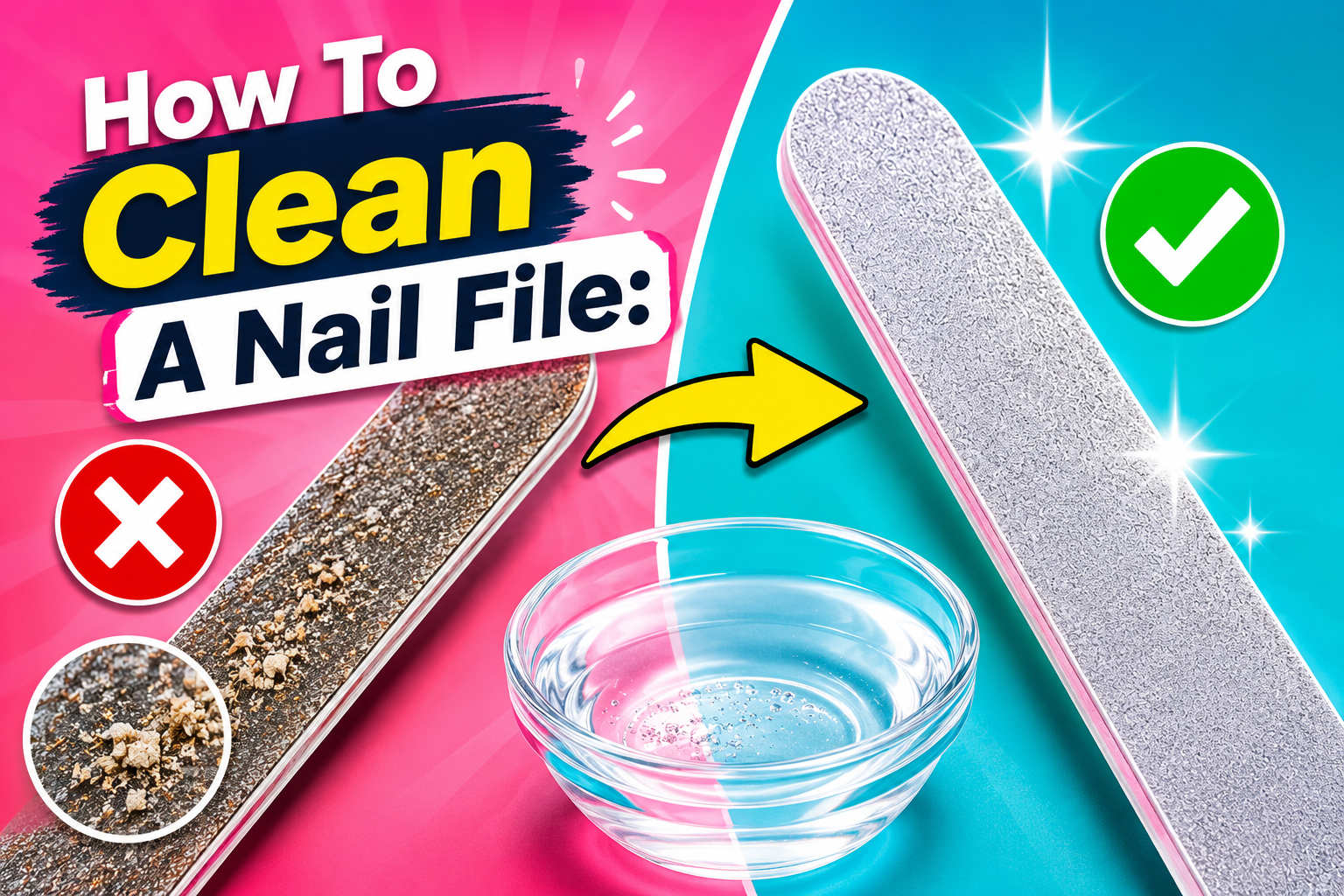
Wipe blades with rubbing alcohol immediately after trimming. Alcohol evaporates quickly and kills surface bacteria. Use a cotton ball or pad for application.
Ensure the solution reaches the hinge area where nail fragments accumulate.
Remove visible debris with a small brush. An old toothbrush works adequately. Brush along the blade edges and inside the pivot point.
Rinse with water if needed, then dry thoroughly.
Soak clippers in alcohol solution weekly for deep cleaning. Five to ten minutes removes embedded particles. Shake off excess liquid and air dry completely before storage.
Moisture trapped inside hinges causes rust over time.
Sharpening and replacement cycles
Test sharpness monthly by cutting a fingernail fragment. Sharp clippers slice cleanly in one motion. Dull clippers tear or crush the nail.
Torn edges irritate tissue more than smooth cuts.
Sharpening kits exist for metal clippers. Some kits use diamond-coated stones. Others employ abrasive pads.
Follow manufacturer instructions carefully. Incorrect sharpening angles damage the cutting edge permanently.
Replace clippers annually or sooner if blades show wear. Visual inspection reveals nicks and dull spots. Run a fingernail along the blade edge carefully.
Any snagging indicates dullness. Invest in quality clippers that justify replacement costs.
Storage best practices
Keep clippers in a dry, clean container. Zippered pouches protect blades from damage. Clear containers allow visual inspection without opening.
Store away from humid bathrooms when possible.
Avoid sharing personal clippers with family members. Bloodborne pathogen transmission risks exist even with minor skin contact. Each person should maintain dedicated grooming tools.
Label clippers if multiple household members share storage space. Color-coded handles prevent accidental exchange. This practice matters in households with diabetic members who require specialized care protocols.
For tips on keeping other grooming tools in top condition, see guidance on maintaining your grooming tools.
Frequently Asked Questions
What angle should I hold the clipper when trimming?
Hold the clipper perpendicular to the nail surface. The cutting blade should form a right angle with the nail plate. This orientation produces straight across cuts that prevent corner embedding.
Tilting the clipper creates curved cuts that encourage ingrown development.
Can I trim my toenails after swimming?
Yes, but wait until nails are completely dry first. Wet nails are softer and more prone to splitting. Trim after showering or swimming once nails have firmed up slightly.
Damp trimming often results in jagged edges that irritate surrounding tissue.
How do I know if my clippers are sharp enough?
Sharp clippers cut through a dry fingernail in one smooth squeeze. They produce clean edges without crushing or tearing. If you need multiple bites or the nail splinters, the blades need replacement.
Test periodically to catch dullness early.
Is it safe to trim ingrown toenails while pregnant?
Pregnancy increases swelling and circulation changes that affect foot size. Hormonal shifts also soften ligaments and nails slightly. Home trimming remains safe for non-diabetic pregnant women with mild cases.
Consult your obstetrician if you experience severe pain or signs of infection.
Can I use nail clippers on fungal nails?
Fungal nails are often thicker and more brittle. Standard clippers may struggle with severe thickening. Electric grinders sometimes work better for heavy fungal growth.
However, treating the underlying fungus remains priority. Clipping alone does not resolve infection. Combine proper trimming with antifungal therapy prescribed by a healthcare provider.
What should I do if I accidentally cut too deep?
Apply direct pressure with clean gauze for five to ten minutes. Most bleeding stops with steady pressure. Apply antiseptic afterward.
Cover with a sterile bandage. Watch for signs of infection over the next few days. Seek medical care if bleeding persists or pain intensifies significantly.
Continuing to Build the Most Useful Guide on Ingrown Nail Care
Before moving forward, let me acknowledge something important about this topic. Writing about foot health requires careful attention to accuracy. Wrong advice can cause real harm.
That is why this guide prioritizes safety information above all else. If you have any doubt about your ability to self-treat, consult a podiatric professional rather than continuing with home methods.
Why this approach matters for long-term foot health
Ingrown toenails represent more than occasional discomfort. They reflect underlying factors that affect your daily movement quality. Addressing root causes prevents the cycle of irritation, inflammation, and recurrent pain that frustrates so many people.
The strategies shared here address both immediate symptom relief and sustainable prevention.
Your feet carry your entire body weight with every step. Proper nail care supports overall mobility and comfort. Small habits like wearing proper footwear and maintaining clean grooming tools prevent problems before they start.
The Psychology Behind Nail Grooming Habits
Understanding why people develop problematic nail care habits helps prevent recurrence. Many bad practices stem from convenience, tradition, or misinformation rather than medical necessity.
The convenience trap
Quick trimming sessions often lead to poor technique. People rush because they want to finish quickly. Result: rounded corners, cut-too-short nails, and increased ingrown risk.
Slowing down during nail care prevents most common mistakes.
Consider what happens when someone hurries through evening grooming before bed. Tired eyes miss details. Hands shake slightly.
Mistakes happen more frequently. Scheduling nail care during well-lit morning hours improves outcomes significantly.
Generational habit transmission
Many people copy their parents' trimming style without questioning whether it was correct. Older generations often rounded corners because that was what they learned. Modern podiatric guidance recommends straight cuts instead.
Recognizing inherited habits allows deliberate change. Question old techniques. Verify current recommendations.
Update practices based on evidence rather than tradition alone.
The perfectionism problem
Some people attempt overly aggressive trimming to achieve "perfect" results. They cut deeply into corners thinking they are removing problematic tissue. Instead, they create new embedding risks.
Moderate trimming with proper technique outperforms aggressive cutting every time.
Aim for clean, conservative cuts. Leave healthy nail structure intact. Remove only what causes confirmed irritation.
Less is often more when managing ingrown nails.
Social media influence on grooming expectations
Visual platforms showcase beautifully groomed nails. Some content promotes aesthetic standards that conflict with health guidance. Extremely short nails with perfectly rounded edges look attractive but encourage ingrown development.
Health should always outweigh aesthetics for toenails. Fingernails offer more flexibility for stylistic choices. Toenails require protection-focused approaches due to their functional role.
For insights on balancing appearance with nail health, explore resources on achieving beautiful nail results.
Advanced Troubleshooting Scenarios
Sometimes standard home care fails despite following all recommendations. Understanding these edge cases prepares you for unexpected situations.
Scenario one: persistent pain after proper trimming
If pain continues for more than five days after correct trimming, investigate further causes. Possible explanations include fungal infection beneath the nail plate, subtle structural abnormalities, or retained nail fragments that you could not see during trimming.
Persistent pain warrants professional evaluation. A podiatrist can diagnose underlying causes that home observation cannot detect. Do not assume improper trimming caused ongoing symptoms if technique was correct.
Scenario two: recurring ingrown nails in the same location
Repeated episodes in identical spots indicate a persistent structural problem. The nail may have abnormal curvature. The toe bone may create constant pressure.
Soft tissue overgrowth may repeatedly trap the nail edge.
Permanent solutions like matrixectomy address recurrent patterns effectively. Temporary home management cannot correct anatomical predispositions. Six or more episodes per year strongly suggests underlying structural factors requiring professional intervention.
If you struggle with persistent nail problems, comprehensive assessment identifies root causes rather than treating symptoms repeatedly.
Scenario three: nail splitting during trimming
Thick, dry nails split when clipped with standard tools. This problem commonly affects older adults and people with certain medical conditions. Splitting creates sharp edges that irritate surrounding tissue.
Soaking nails longer before trimming softens thick plates adequately. Using heavy-duty clippers designed for thick nails reduces splitting probability. Some people benefit from filing rather than clipping thick nail sections.
Electric grinders handle difficult textures better than manual clippers. The grinding action avoids the cracking forces that split brittle nails.
Scenario four: bleeding that won't stop
Minor bleeding usually stops within minutes of direct pressure. Persistent bleeding beyond fifteen minutes requires medical attention. Underlying clotting disorders or excessive tissue trauma may be factors.
Apply firm pressure with clean gauze. Elevate the foot above heart level if possible. If bleeding continues despite these measures, seek urgent care rather than attempting additional home treatment.
Scenario five: white patches appearing after trimming
White discoloration on trimmed nail edges sometimes appears after home care. This usually indicates fungal involvement becoming visible when the nail surface changes. White patches may also represent keratin debris accumulating under lifted nail sections.
Fungal co-infection requires separate treatment from ingrown nail management. Antifungal medications address the organism. Mechanical correction addresses the structural problem.
Both may be necessary simultaneously.
Building Your Home Foot Care Kit
Having the right supplies organized makes proper care easier and safer. A dedicated kit ensures you always have appropriate tools available when needed.
Essential components list
Quality stainless steel toenail clippers form the foundation. Select curved blade designs for standard use. Keep straight-edge options for preventive trimming.
Having both types increases flexibility.
An emery board with medium and fine grits handles smoothing duties. Metal files last longer but require cleaning. Disposable paper boards eliminate cross-contamination concerns.
Antiseptic solution in a small spray bottle applies easily. Povidone-iodine works well for routine disinfection. Chlorhexidine offers broader spectrum coverage.
Keep both options available for different scenarios.
Sterile bandages in multiple sizes accommodate various wound sizes. Adhesive tape rolls secure dressings properly. Gauze pads provide cushioning for irritated areas.
Optional but useful additions
Cotton balls support soaking solutions and antiseptic application. Small scissors help trim bandages to specific sizes. Magnifying glasses assist visibility during detailed work.
Good lighting equipment transforms bathroom grooming sessions into professional-quality procedures.
Nail nippers with corner lifters serve advanced users handling mild embedded corners. These specialized tools extend home care capabilities safely.
Organizing and storing your kit
Keep all supplies in a waterproof container. Label contents clearly for quick identification. Store in a cool, dry place away from humidity.
Bathroom cabinets work if ventilation prevents moisture accumulation.
Check expiration dates on antiseptic products periodically. Outdated solutions lose effectiveness. Replace as needed to maintain reliability.
Building skills through practice
New to proper nail care? Practice on non-problematic nails first. Master the straight-across technique before attempting irritated areas.
Build confidence gradually.
Video tutorials demonstrating proper angles help visual learners. Mirror practice in good lighting reinforces muscle memory. Skill develops through repetition performed correctly.
Cost Analysis: Investment vs. Outcome
Understanding financial considerations helps people make informed decisions about their foot health care. Costs range widely depending on severity and chosen treatment path.
One-time tool investment
Quality clippers cost between $15 and $40 for reliable brands. Premium models with ergonomic features reach $60 to $100. Basic emery boards cost $2 to $5.
Antiseptic solutions range from $3 to $12 depending on size and formulation.
Total initial kit investment typically falls between $25 and $75. These supplies last several years with proper maintenance. Annual replacement costs average $10 to $20 for consumable items.
Hidden costs of improper care
Failed home attempts generate additional expenses. Multiple product purchases as people switch strategies waste money. Delayed professional care often means more extensive treatment later.
Infected cases require prescription antibiotics costing $10 to $50 per course.
Surgical procedures for severe complications cost significantly more than early intervention. Partial nail avulsion runs $200 to $600. Matrixectomy adds complexity and expense.
Recovery time lost from work creates indirect financial impact.
Insurance coverage considerations
Most insurance plans cover medically necessary podiatric procedures. Partial nail avulsion often qualifies when documented appropriately. Cosmetic nail care rarely receives coverage.
Check your plan details before scheduling appointments.
Preventive professional cleanings may receive partial coverage depending on policy terms. Annual foot exams for diabetic patients typically qualify under preventive care benefits.
Cost-per-episode analysis
Home care costs approximately $0.50 to $2 per episode when supplies are already owned. Professional treatment averages $150 to $400 per visit after insurance adjustments. Recurrent cases requiring multiple home attempts accumulate costs approaching professional treatment expenses.
Investing in proper education and tools prevents expensive complications. Knowledge proves more valuable than any single purchased item.
For additional resources on managing nail health expenses, research local pricing and insurance options before committing to treatment plans.
Understanding Nail Growth Cycles and Timing
Knowledge of natural growth patterns informs better timing decisions. Trimming too frequently causes unnecessary irritation. Waiting too long allows problems to develop.
Typical growth rates by age
Children's toenails grow approximately 1.2 millimeters monthly. Adult rates slow to about 1 millimeter monthly. Elderly individuals experience further reduction, sometimes below 0.8 millimeters monthly.
Slower growth means less frequent trimming needs.
Thyroid function affects growth rates significantly. Hyperthyroidism accelerates nail production. Hypothyroidism slows it considerably.
Unexplained changes in growth speed warrant medical evaluation.
Seasonal variation effects
Nail growth increases slightly during warmer months. Better circulation supports faster cell production. Cold weather constricts peripheral blood flow, reducing growth rates temporarily.
Adjust trimming schedules seasonally if needed. Summer may require bi-weekly checks. Winter extensions of trimming intervals often prove beneficial.
Trauma recovery timelines
After minor nail injury, expect 6 to 8 weeks for complete regrowth. Permanent damage to the nail matrix can alter growth patterns indefinitely. Severe trauma sometimes causes permanent nail deformity.
Monitor healing progress monthly. Document changes in shape, thickness, or texture. Permanent alterations may require ongoing professional management.
Special Populations: Children, Athletes, and Seniors
Different life stages present unique challenges requiring tailored approaches. Understanding population-specific considerations improves outcomes across demographics.
Children and adolescent considerations
Growing children develop ingrown toenails less frequently than adults. Their nails remain thinner and more flexible. However, sports participation increases risk significantly during adolescence.
Teens playing soccer, basketball, or running face repetitive toe trauma. Proper shoe fitting becomes critical during growth spurts. Shoes should accommodate increasing foot dimensions without creating pressure points.
Parental involvement in childhood nail care prevents habit formation issues. Teach proper techniques early. Model good behavior through your own practices.
Athletic population specifics
Runners experience forefoot compression with each stride. Marathon training intensifies repetitive trauma exposure. Athletes should consider professional nail assessments quarterly during intense training blocks.
Cross-country runners face additional terrain challenges. Uneven surfaces increase tripping and toe-stubbing risks. Protective footwear choices matter enormously for performance and health balance.
Dancers develop distinctive foot mechanics affecting nail health. Pointe work concentrates extreme force on toe tips. Ballet dancers often require specialized nail care protocols beyond standard recommendations.
Senior population adaptations
Thickened nails complicate home clipping substantially. Arthritis limits grip strength and dexterity. Vision decline makes precise cutting difficult.
Professional assistance becomes increasingly valuable with advancing age.
Some medications cause nail changes as side effects. Blood thinners increase bleeding risk during accidental nicks. Chemotherapy drugs alter nail texture and growth patterns significantly.
Family caregivers play essential roles in elderly foot care. Regular checking prevents problems from reaching crisis stages. Simple observation during daily interactions maintains awareness of changing conditions.
The Emotional Impact of Chronic Ingrown Nails
Living with recurring pain affects mental health and quality of life. Chronic foot problems limit activities many people take for granted. Acknowledging emotional dimensions supports comprehensive care approaches.
Activity restriction consequences
Pain during walking reduces exercise participation. Reduced activity impacts cardiovascular health, weight management, and mood. People with chronic ingrown nails often unknowingly limit themselves progressively.
Recognizing avoidance patterns helps restore normal function. Gradual reintegration into activities prevents deconditioning. Professional treatment provides faster relief enabling quicker return to valued pursuits.
Sleep disruption effects
Nighttime pain interferes with restorative sleep. Position changes seeking comfort become repetitive throughout the night. Chronic sleep deprivation affects cognition, mood regulation, and immune function.
Addressing the underlying nail problem improves sleep quality rapidly. Pain reduction eliminates one source of nighttime disruption completely.
Social withdrawal patterns
People with visible foot problems sometimes avoid social situations involving shoe removal. Beach trips, pool parties, and spa visits become stressors rather than enjoyments. Anticipatory anxiety about pain limits spontaneous social engagement.
Successful treatment restores confidence in social participation. Knowing prevention strategies reduce future anxiety about recurrence.
Integrating Foot Care into Daily Routines
Sustainable habits require minimal friction. Integrating nail care into existing routines increases compliance and long-term success.
Habit stacking techniques
Associate nail trimming with established routines like weekly showering or Sunday evening relaxation. Consistent timing reduces decision fatigue. Automatic habits require less conscious effort to maintain.
Visual cues help too. Placing clippers and files in visible locations reminds you of scheduled care sessions. Bathroom counters work effectively for this purpose.
Reducing barriers to implementation
Keep supplies readily accessible. Clear containers prevent searching frustrations. Organized systems reduce resistance to starting care sessions.
Pair nail care with enjoyable activities when possible. Listening to music or podcasts transforms chore time into pleasant routine. Positive associations strengthen habit formation.
Tracking progress visually
Monthly photos document changes over time. Visual records motivate continued effort. Progress becomes concrete rather than abstract.
Simple charts noting trimming dates and observations reveal patterns. Frequency adjustments follow naturally from documented data.
What Research Says About Home Management Effectiveness
Evidence-based guidance separates effective practices from folklore. Understanding what studies actually demonstrate prevents relying on unproven methods.
Success rates for conservative home care
Mild to moderate ingrown toenails respond well to proper home management in approximately 60 to 70 percent of cases when patients follow correct techniques consistently. Success depends heavily on patient education and adherence to recommended protocols.
Studies show that educational interventions improve outcomes significantly. Patients who understand why they trim a certain way achieve better results than those following instructions blindly.
Limitations of existing research
Most studies focus on surgical interventions rather than home care optimization. Limited high-quality evidence exists specifically for self-managed mild cases. Clinical guidelines often extrapolate from professional treatment outcomes.
Despite research gaps, consistent clinical observation supports conservative management for appropriately selected patients. Practitioner experience complements published evidence where studies are scarce.
Placebo effects and expectation management
Belief in treatment effectiveness influences perceived outcomes. Patients confident in their ability to self-manage report better pain relief and faster improvement. Managing expectations realistically prevents disappointment while maintaining motivation.
Combining knowledge, proper technique, and reasonable expectations produces optimal results across diverse populations.
Final Safety Reminders and Resources
Safety information deserves repeated emphasis. Complex topics benefit from clear summary points ensuring critical guidance reaches readers.
Non-negotiable safety rules
Never trim ingrown toenails if you have diabetes, poor circulation, or reduced sensation. These conditions demand professional oversight exclusively. Home attempts risk catastrophic outcomes.
Stop immediately if you encounter pus, spreading redness, fever, or worsening pain. Infection progression requires urgent medical attention regardless of previous home management success.
Use sharp, clean tools exclusively. Dull or contaminated instruments increase complication probabilities significantly. Replace worn equipment promptly without exception.
Recognizing when to escalate
Four warning signs demand immediate professional consultation: bleeding lasting more than fifteen minutes despite direct pressure, inability to bear weight on the affected foot, visible bone exposure, and systemic symptoms including fever exceeding 100.4 degrees Fahrenheit.
Do not wait for convenient appointment timing when these signals appear. Same-day evaluation prevents potentially serious complications.
Building lasting prevention habits
Consistency matters more than perfection. Regular straight-across trimming with appropriate tools prevents most future problems. Occasional mistakes recover quickly when proper habits resume afterward.
Professional relationships with podiatrists provide ongoing support. Regular check-ins catch developing issues before they cause significant discomfort. Prevention through partnership outperforms reactive crisis management every time.
Explore additional resources on understanding proper nail care routines to reinforce techniques discussed throughout this guide. Proper home care combined with professional oversight represents the gold standard for managing ingrown nail health long-term.
Amazon and the Amazon logo are trademarks of Amazon.com, Inc, or its affiliates.
Author


Similar Posts