How To File Nails Safely: 2026 Guide To Perfect Edges
How To File Nails Safely: Use a fine-grit file on dry nails, filing in one direction.
If you want neat, strong nails without splits or soreness, you need a safe method that works every time. I’ve shaped thousands of nails behind the chair, and I’ll walk you through How To File Nails Safely with simple steps, pro tips, and common mistakes to avoid. This guide blends real-world salon experience with best practices, so you can master How To File Nails Safely at home with confidence.
Why safe nail filing matters
Filing is more than a beauty step. It changes the stress on your nail plate and edges. When done right, it prevents peeling, snags, and breaks. When done wrong, it weakens the nail and leads to pain or infection.
Dermatology guidance supports gentle, dry filing with the right grit. Sawing back and forth can heat the nail and tear keratin layers. Learning How To File Nails Safely helps you keep length, avoid cracks, and grow healthier nails over time.
Source: makeup.com
Tools and materials you need
You do not need a drawer full of tools. You only need a clean, gentle setup that fits your nail type.
- Fine-grit file for natural nails. Use 180 to 240 grit. Crystal or glass files are great and last longer.
- Medium-grit file for gels or acrylics. Use 100 to 150 grit only on enhancements, not on natural nails.
- Buffer block. Choose a very fine buffer (240 to 400+) to smooth edges only, not the whole nail plate.
- Clippers or nail scissors. Use only to shorten long nails before filing.
- Cuticle oil or light hand cream. Hydrates and helps prevent splits.
- Hand soap and a soft brush. Cleans dust after filing.
- Sanitizer or alcohol wipes. Clean tools before and after use.
Skip metal files on natural nails. They are often too harsh. When learning How To File Nails Safely, the right grit matters more than force.
Source: youtube.com
Prep: set up for success
Prep is fast and makes a big difference.
- Wash and dry your hands. Nails swell when wet, so wait 10 to 15 minutes after water contact before filing.
- Remove polish if needed. Check for cracks or tender areas first.
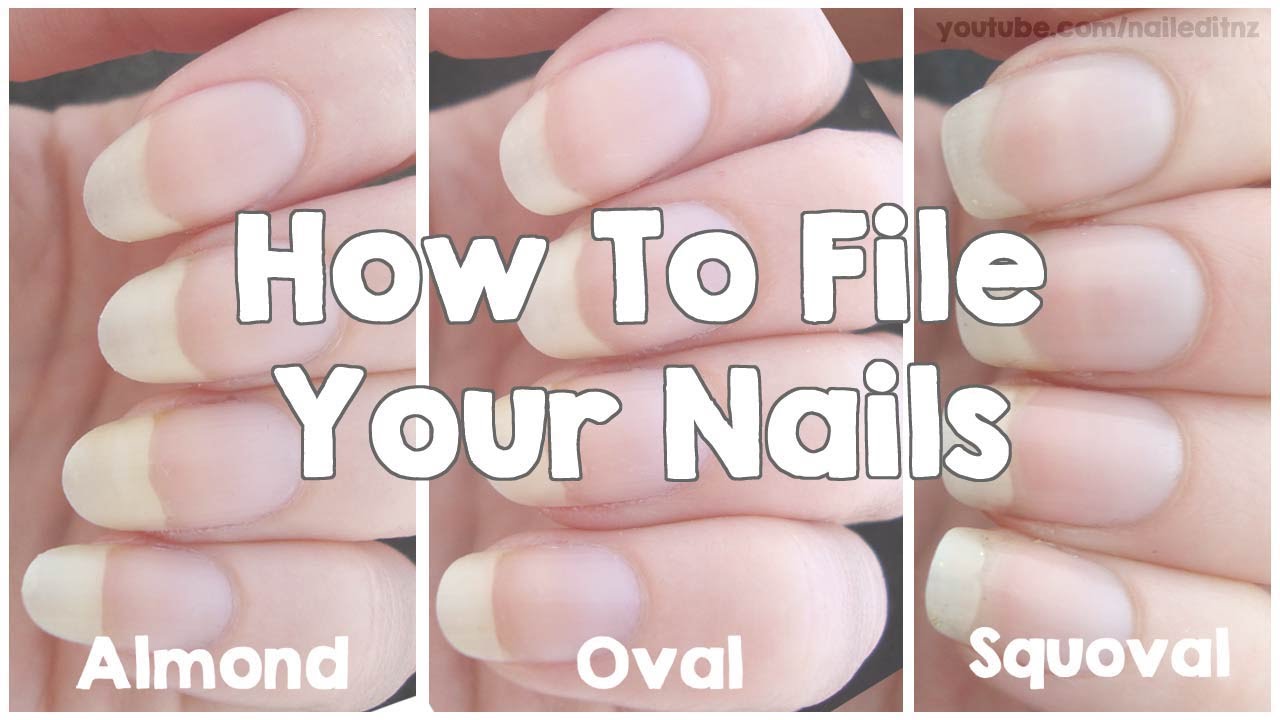
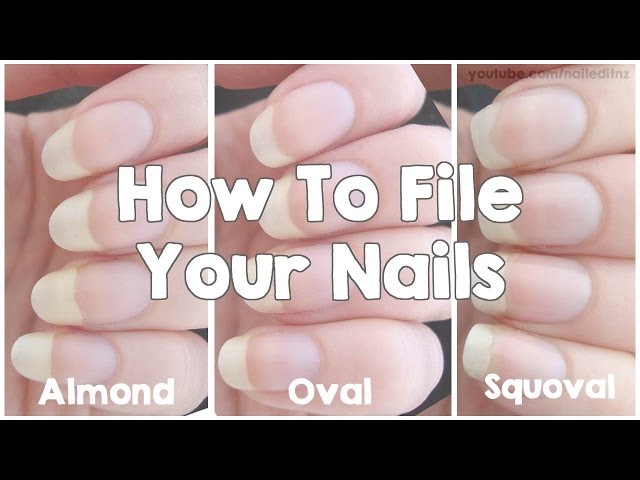
- Decide your shape. Square, round, or squoval are the easiest to start with.
- Work under good light. Hold your hand steady on a flat surface.
How To File Nails Safely starts with dry nails, steady hands, and a clear plan.

Source: ilovemypolish.com
Step-by-step: How To File Nails Safely
Follow this simple method each time. It is gentle and repeatable.
- Trim if very long. Clip only a little. Leave room to refine with the file.
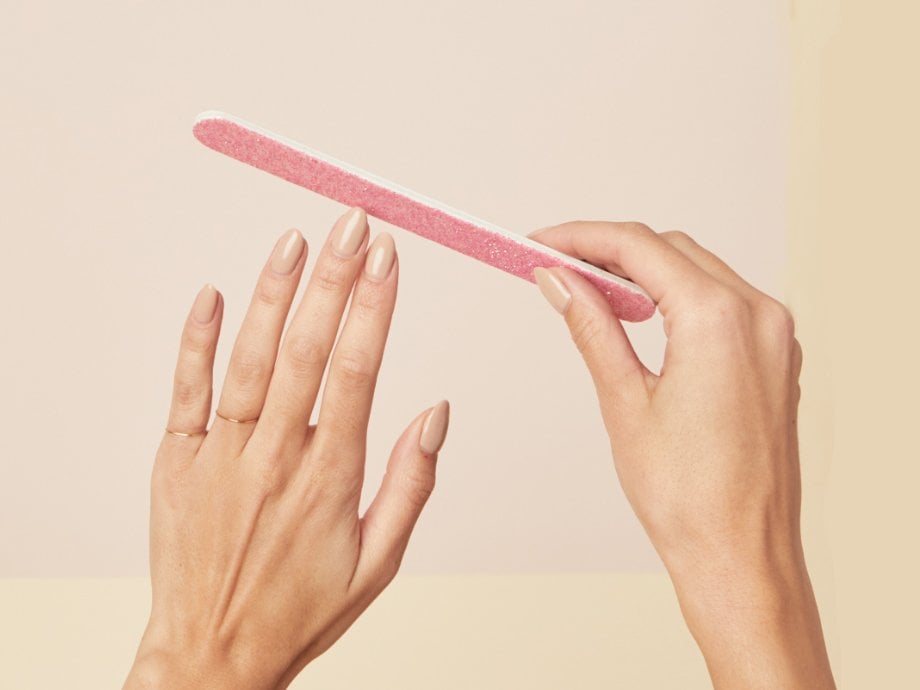
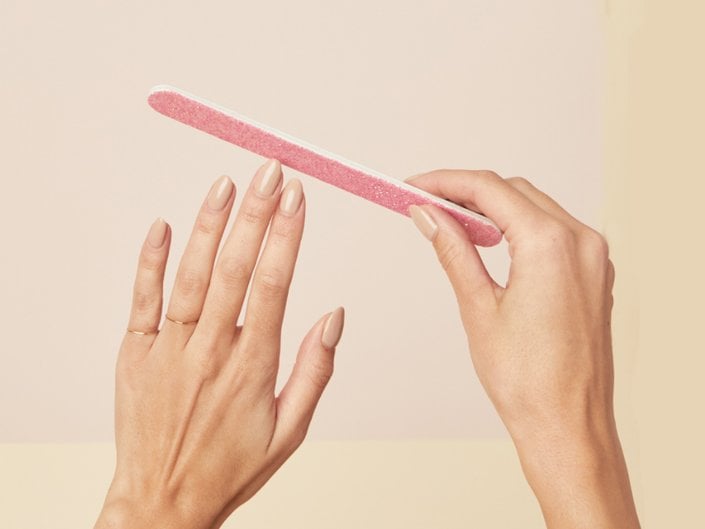
- Hold the file at a slight angle. Aim about 10 to 15 degrees under the free edge.
- File in one direction. Start at the sidewall and move toward the center. Lift. Repeat. Do not saw.
- Switch sides. Match the angle. Keep strokes light and even.
- Refine the corners. Soften sharp points so they do not catch.
- Check symmetry. Look at nails palm-up and palm-down to see the true shape.
- Seal the edge. Use a very fine buffer with two to three light strokes along the free edge only.
- Remove dust. Wash hands and pat dry.
- Hydrate. Apply a drop of cuticle oil and massage.
Use calm, short strokes. Pressure is not power. Skill is. This is the core of How To File Nails Safely for every nail type.
Source: makeup.com
Choose the right nail shape for your hands
Your nail bed width, lifestyle, and job all play a part. Here is a quick guide.
- Round. Great for short nails and people who type a lot. Very chip resistant.
- Squoval. A soft square with rounded edges. Balanced and neat for most hands.
- Square. Works for strong, broad nail beds. File with care to avoid corner breaks.
- Oval or almond. Slim and elegant. Needs even length and patient shaping.
- Coffin or ballerina. Best on enhancements, not thin natural nails.
When you choose a shape, you choose how your nails handle stress. Keep this in mind as you practice How To File Nails Safely.
:max_bytes(150000):strip_icc()/file-nails-1-56a8109c7edb41219aeb830f5e4dfce0-7f959b56781246de954fa54c0fc8f92d.jpeg)
Source: byrdie.com
Aftercare and hygiene
Small habits keep nails strong.
- Clean and dry. Rinse dust and dry well to prevent bacteria buildup.
- Oil daily. A drop of cuticle oil reduces splits and hangnails.
- Gentle polish routine. Use a base coat and avoid harsh removers when possible.
- Tool care. Wash and sanitize your file. Replace worn emery boards often.
Aftercare supports your work. It is part of How To File Nails Safely from start to finish.

Source: amazon.com
Common mistakes to avoid
Avoid these traps. They cause most at-home damage I see.
- Filing wet nails. Wet nails are softer and tear fast.
- Sawing back and forth. This creates heat and layers can peel.
- Using the wrong grit. Too coarse will shred the edge.
- Over-filing the plate. Keep the buffer off the main nail surface.
- Cutting or pushing cuticles too hard. That skin is a seal that protects you.
- Skipping sanitation. Dirty tools raise infection risk.
If you remember only one tip from How To File Nails Safely, make it this: light pressure, one direction.

Source: reddit.com
Special cases and smart adaptations
Your approach should match your nail condition.
- Thin or peeling nails. Use 240 grit or a glass file. Minimal strokes. Keep edges rounded. Oil twice daily.
- Brittle nails. Avoid acetone when you can. Keep nails at a shorter, round shape to reduce breaks.
- Ridges. Do not buff them flat. That thins the nail. Use ridge-filling base coat instead.
- Gel polish. Break the top coat first with a light buff before soak-off. File only to refine the free edge after removal.
- Acrylic or hard gel. Use 100 to 150 grit on the enhancement, not the natural nail. Finish edges with 180 to 240.
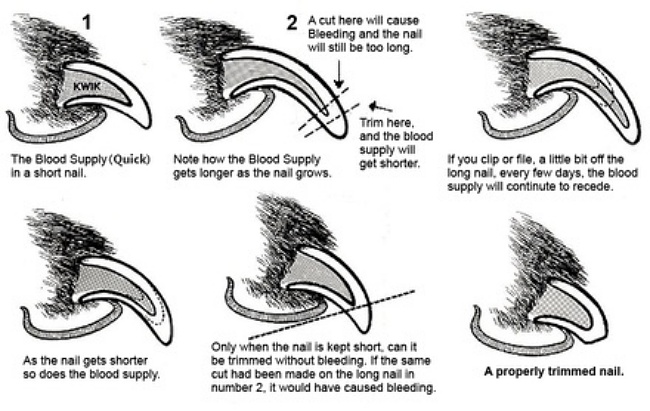
- Toenails. Cut straight across. File corners gently to avoid ingrowns.
- Kids and seniors. Use a fine grit and very light pressure.
- Diabetes or circulation issues. Do not self-treat problems. See a pro for safe care.
These tweaks keep How To File Nails Safely true for every nail type and life stage.
Source: lakesidevets.com
My pro tips from the chair
Here are lessons I learned doing thousands of manicures.
- Count your strokes. Three to five strokes per side is often enough.
- Work slow to go fast. Fixing over-filing takes weeks of growth.
- Use the pencil line trick. Draw your shape line on the free edge. File to the line. It helps beginners stay even.
- Mind the sidewalls. File from the side toward center, not into the skin.
- Check from all angles. Look at the nail from the tip, the sides, and the top.
- Keep a car file. A small glass file in your bag stops a snag before it becomes a split.
These habits lock in How To File Nails Safely without stress.
Frequently Asked Questions of How To File Nails Safely
How often should I file my nails?
Once a week is enough for most people. Touch up snags right away so they do not spread.
What grit is best for natural nails?
Use 180 to 240 grit for shaping and smoothing. Go finer if your nails are thin or peel.
Can I file nails with gel polish on?
Yes, but only to smooth the free edge. Do not reshape the plate, and avoid breaking the seal at the cuticle.
Is a glass or crystal file better than emery?
Glass files are gentle and last longer. Emery boards work well too, but replace them when worn.
Should I file before or after showering?
File when nails are dry. Filing wet nails can cause tearing and peeling.
How do I avoid splits at the corners?
Round the corners a touch and avoid a sharp square. File in one direction with light pressure.
Can I use a metal file on natural nails?
It is not ideal. Metal files are often too harsh and can shred the free edge.
What is the safest way to shorten very long nails?
Clip a little length first, then refine with a file. Do not try to remove all length by filing alone.
How To File Nails Safely if my nails are very thin?
Choose a 240 grit or glass file. Use minimal strokes, round shapes, and daily oil.
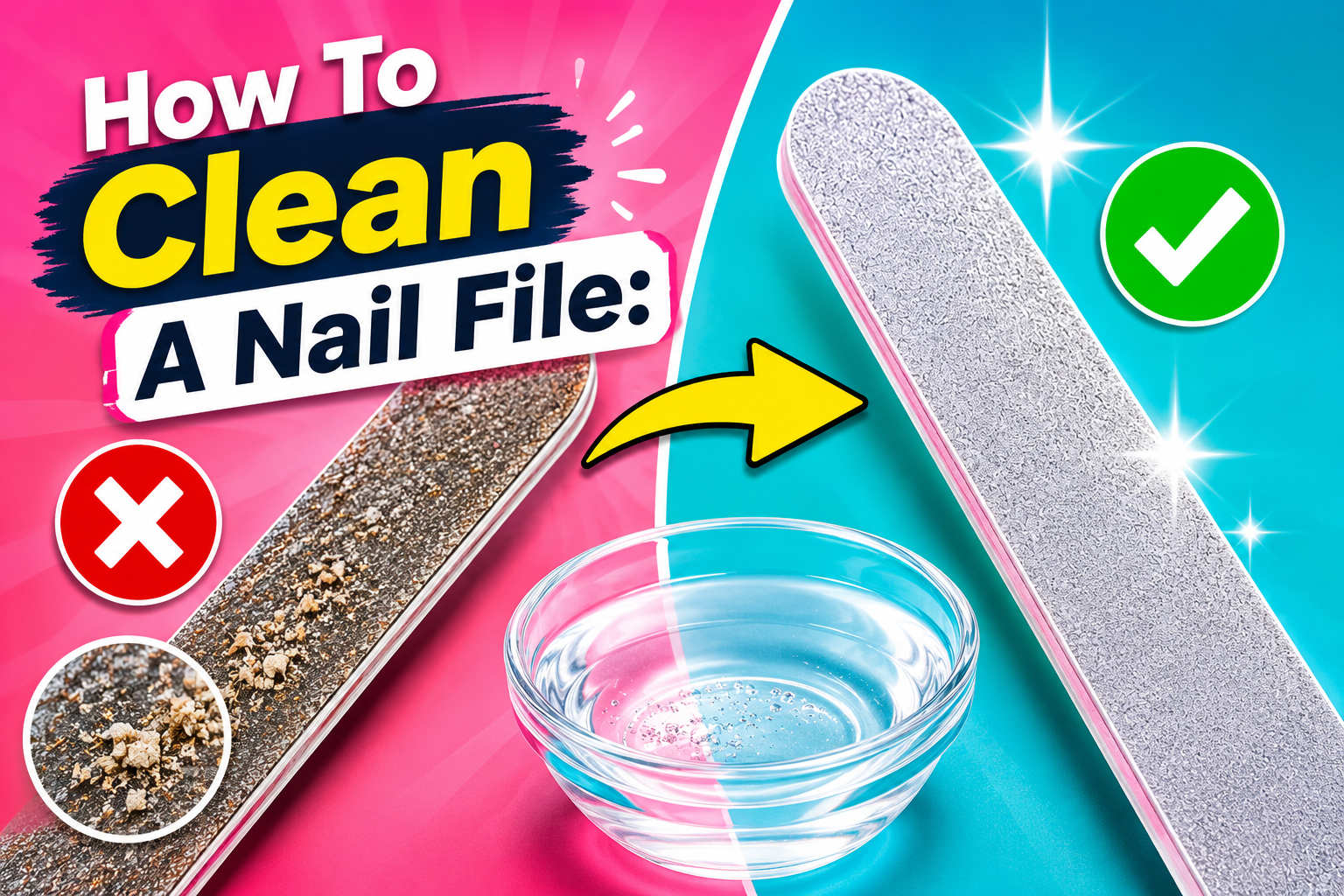
How do I sanitize my nail file?
Wash with soap and water, then wipe with alcohol. Replace disposable boards often for hygiene.
Conclusion
Safe filing is simple, calm, and kind to your nails. Choose the right grit, file in one direction, seal the edge, and hydrate. With this method, How To File Nails Safely becomes a quick ritual that grows stronger, better-looking nails week after week.
Try the steps today on one hand and compare. Share your results, ask a question, or subscribe for more easy, expert nail care guides.
Amazon and the Amazon logo are trademarks of Amazon.com, Inc, or its affiliates.
Author


Similar Posts