How To Clean A Nail File: Fast, Safe Methods That Work
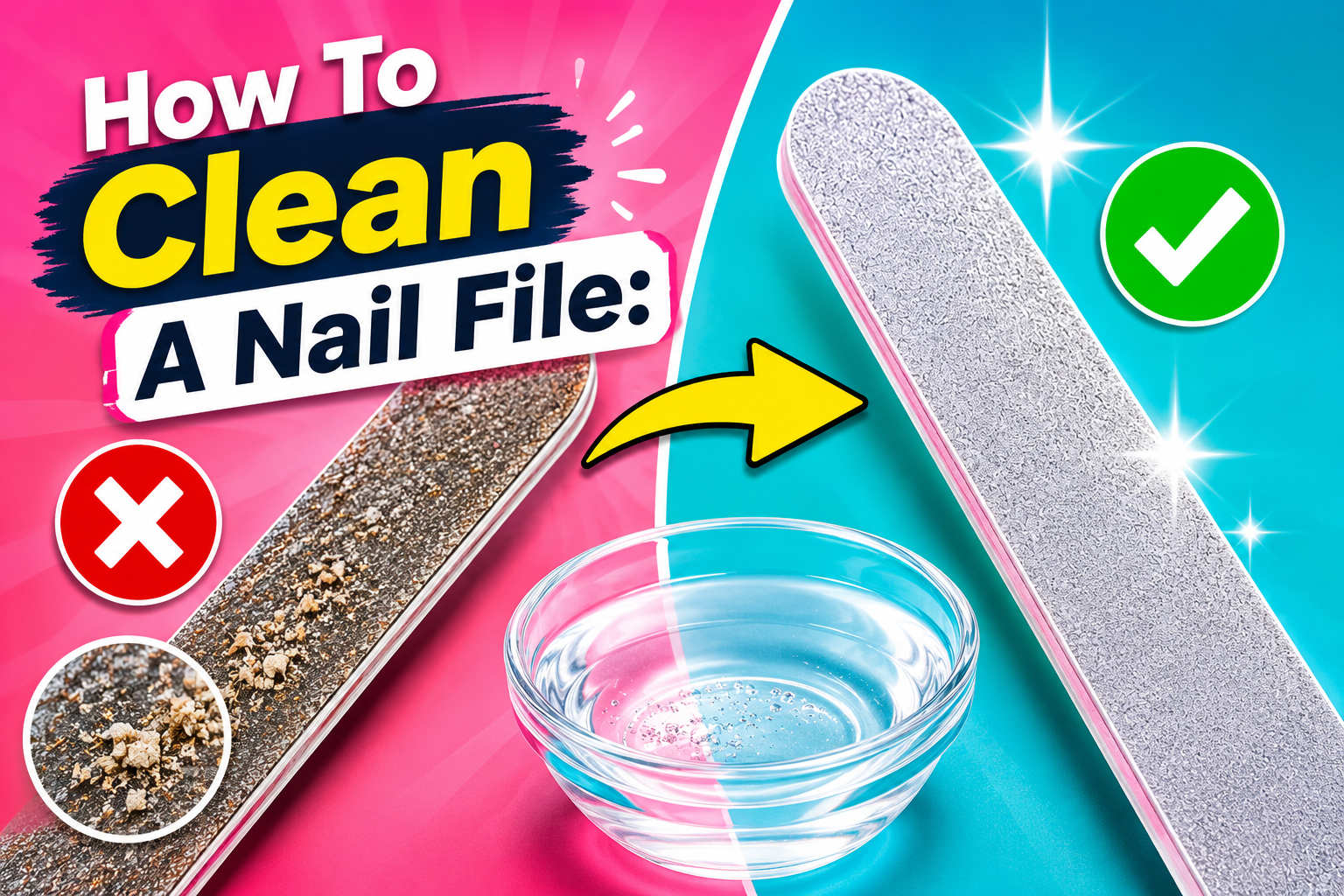
Rinse, scrub, disinfect, rinse again, air-dry flat, and store covered.
Keeping your nail file clean is more than a neat-freak move. It protects your nails, slows wear on the grit, and stops germs from spreading. In this guide, I will show you How To Clean A Nail File the right way, based on hands-on salon habits and proven hygiene steps. You will learn what works for each file type, what to avoid, and how to set a simple routine that keeps your tools safe and sharp.

Why cleaning your nail file matters
A nail file picks up skin, oils, and nail dust with every pass. That debris clogs the grit and turns your file into a home for bacteria and fungi. Clean tools last longer and feel smoother on the nail, which means less splitting and less heat from friction.
In salons, hygiene rules call for cleaning and then disinfecting nonporous tools between clients. At home, the same logic helps you avoid infections and cross-contamination. It also makes the abrasion more even, so your shaping is fast and gentle.
What I have seen in practice matches public health guidance. You first remove soil with soap and water. Then you use a proper disinfectant on nonporous tools for the full contact time. Porous items, like emery boards, cannot be fully disinfected and should be replaced often.
Source: nailknowledge.org
Quick questions you might ask
- Is there a quick way to do this after each use? Yes. Rinse, scrub with soap, spray alcohol on nonporous files, then air-dry.
- Do I need fancy products? No. Mild soap, a soft brush, and 70% isopropyl alcohol work for most nonporous files.
- Will cleaning dull the grit? Not if you use a soft brush and avoid harsh rubbing.
Know your nail file type
Not all files are the same. How To Clean A Nail File depends on its material.
- Emery board or foam buffer. Paper or foam base with grit. Porous. Often single-use or short-life.
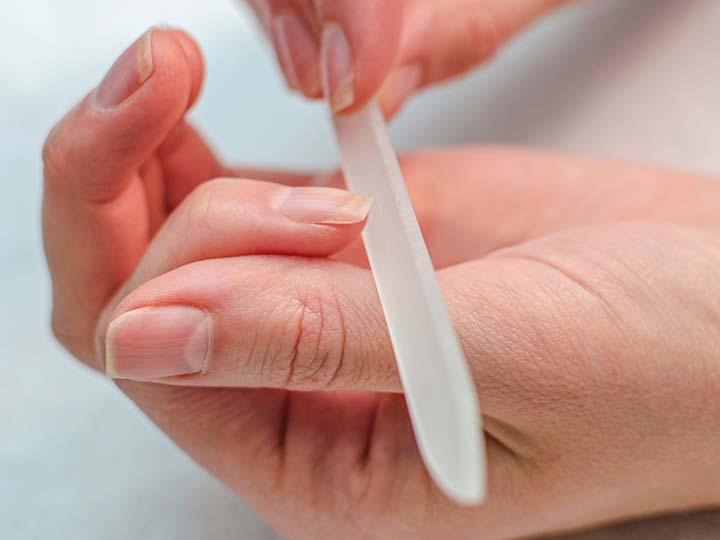
- Glass or crystal file. Etched, nonporous surface. Washable and disinfectable.
- Metal or diamond file. Steel body with cut teeth or diamond grit. Nonporous. Washable and disinfectable.
- Ceramic file. Hard, nonporous surface. Washable and disinfectable.
- E-file bits. Carbide, diamond, or ceramic bits. Nonporous. Clean and disinfect with care.
- Buffer blocks. Foam block with grit. Porous. Clean lightly, replace often.
If the surface is nonporous, you can clean and then disinfect it. If it is porous, you can only clean the surface soil. For best hygiene, replace porous tools on a set schedule.

Tools and supplies you will need
Gather a small kit so How To Clean A Nail File feels easy every time.
- Mild dish soap or hand soap
- Soft nail brush or old soft toothbrush
- 70% isopropyl alcohol in a spray bottle
- EPA-registered salon disinfectant for nonporous tools
- Small tray or jar for soaking, if needed
- Paper towels or a lint-free towel
- Clean storage pouch or case
- Gloves for sensitive skin
- Optional ultrasonic cleaner for e-file bits
Always read the label on any disinfectant and follow the contact time. Do not mix chemicals. Good ventilation helps too.

Source: diamancel.com
Step-by-step: How To Clean A Nail File by material
Here is a clear path for each common type. This is what I use on set and in-studio.
Emery boards and foam buffers (porous)
These are cheap and handy, but they are porous. You cannot fully disinfect them.
- Tap or brush away dust over a trash can.
- Lightly wipe with a barely damp cloth and a drop of soap.
- Let air-dry flat. Do not soak.
- Mark personal use only. Replace at the first sign of wear, odor, or fraying.
Pro tip from many manicures: keep a few spares in a zip bag. Swap in a fresh one if the grit feels smooth or gummy.
Glass, crystal, and ceramic files (nonporous)
These clean up fast and can stay sharp for years.
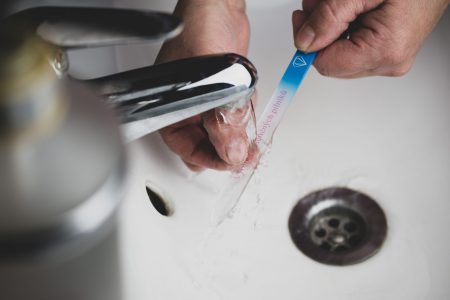
- Rinse under warm water.
- Add a drop of soap and scrub both sides with a soft brush.
- Rinse well.
- Spray with 70% isopropyl alcohol or place in an EPA-registered disinfectant. Follow the label time.
- Rinse if the product label says so.
- Air-dry flat on a clean towel.
Avoid dropping glass. A slim case helps.
Metal and diamond files (nonporous)
Great for detail work. Avoid rust.
- Wash with soap and a soft brush to lift debris from the teeth or grit.
- Rinse and shake off water.
- Spray with 70% alcohol or use a quaternary ammonium disinfectant for the full contact time.
- Wipe off residue if the label says so.
- Dry right away. Store in a dry case.
Do not soak metal for long or use bleach, which can corrode steel.
E-file bits (nonporous)
For pros and hobbyists with nail drills.
- Remove visible dust with a stiff nylon bit brush.
- Wash in warm soapy water, then rinse.
- Optional: place in an ultrasonic cleaner with a tool-safe solution.
- Disinfect in an EPA-registered product for bits. Follow contact time.
- Rinse if required, dry fully, and store upright in a bit stand.
Avoid soaking bits with bearings or specialty parts. Check maker advice.
How To Clean A Nail File this way protects both your nails and your tools. It is quick once you set a routine.

Source: youtube.com
Deep sanitizing and disinfection best practices
It helps to know the difference.
- Cleaning. Removes dirt and oils with soap and water.
- Disinfecting. Kills many germs on nonporous surfaces with a chemical for a set time.
- Sterilizing. Kills all forms of life. This is beyond home care and needs special machines.
For home and most salon file care:
- Use 70% isopropyl alcohol on nonporous files and let it stay wet for at least one minute.
- For quaternary ammonium disinfectants, mix as labeled and soak tools for the full time, often 10 minutes.
- Rinse only if the product label says to do so.
- Air-dry on a clean, dry towel. Do not trap moisture in a case.
- Do not use bleach on files. It can pit metal, fade surfaces, and create fumes.
Many public health guides stress contact time. If you spray and wipe right away, you are not disinfecting. Let the surface stay visibly wet for the full time.

Source: londontownusa.com
Drying, storage, and cross-contamination prevention
Clean tools can get dirty if you store them wrong.
- Air-dry flat on a clean paper towel. Avoid fabric that sheds lint onto grit.
- Store dry files in a hard, ventilated case. Moisture invites rust and odors.
- Keep personal files separate from guest files. Label by name in salon settings.
- Wash your hands before and after filing.
- Do not place a damp file back in a pouch.
These small steps make How To Clean A Nail File pay off with longer tool life and safer nails.

Source: youtube.com
Common mistakes and how to fix them
Avoid these pitfalls I still see all the time.
- Soaking emery boards. They swell, split, and trap germs. Replace instead.
- Skipping contact time. Let disinfectant sit wet for the full label time.
- Over-scrubbing the grit. Use a soft brush and light pressure.
- Long soaks for metal. Choose spray or short dips to prevent rust.
- Sharing one file. Assign a file per person or use disposables.
When in doubt, err on the side of cleaning more often and replacing porous tools sooner. That is the safest way to handle How To Clean A Nail File with confidence.
Source: mersicosmetics.com
Maintenance schedule and replacement guide
A simple schedule keeps you on track without stress.
- After each use. Rinse, brush with soap, disinfect nonporous files, and air-dry.
- Weekly. Deep clean your kit, wipe the case, and check for damage.
- Replace on cue. Emery boards and buffers every 2 to 4 weeks with home use, sooner in salons.
- Watch for signs. Smooth spots, peeling paper, rust, chips, odor, or stains mean it is time.
If you do this, How To Clean A Nail File becomes a two-minute habit that saves tools and protects nails.
Source: obroba.cz
Eco-friendly and safety tips
You can be clean and green at the same time.
- Choose a glass or ceramic file for long life and low waste.
- Skip harsh cleaners. Soap plus approved disinfectants are enough.
- Ventilate the room and wear gloves if your skin is sensitive.
- Keep chemicals labeled and away from kids and pets.
- Reuse storage cases and recycle packaging when possible.
These choices make How To Clean A Nail File safer for you and better for the planet.
Frequently Asked Questions of How To Clean A Nail File
How often should I clean a nail file?
Clean after each use. Disinfect nonporous files and let them dry before storage.
Can I use bleach to clean a nail file?
I do not recommend bleach for files. It can corrode metal, damage surfaces, and create fumes.
What is the best way to disinfect a glass nail file?
Wash with soap, rinse, then spray with 70% alcohol or soak in a labeled disinfectant for the full contact time. Air-dry flat.
How do I clean an emery board?
Brush off dust and wipe lightly with a damp cloth. Since it is porous, replace it often rather than trying to disinfect it.
Can I put nail files in the dishwasher?
No. Heat and water can warp porous files and rust metal. Hand clean and disinfect instead.
Do UV sterilizers work for nail files?
UV boxes are not a replacement for proper disinfection on textured tools. Clean and use a registered disinfectant on nonporous files.
How To Clean A Nail File if I have gel or acrylic dust on it?
Rinse under warm water, scrub with soap and a soft brush, then disinfect nonporous files. Dry well to prevent buildup.
Conclusion
Clean tools are the base of great nails. Set a small routine for How To Clean A Nail File, match the steps to the file type, and give disinfectants their full contact time. Your files will last longer, and your nails will look smoother with less effort.
Make today the day you set up your kit. Do one file now, then the rest will feel easy. If you found this helpful, subscribe for more at-home nail care guides, or leave a comment with your best tip.
Amazon and the Amazon logo are trademarks of Amazon.com, Inc, or its affiliates.
Author


Similar Posts