Best Chrome Nail Polish Brown: Top Shades & How-To Guide
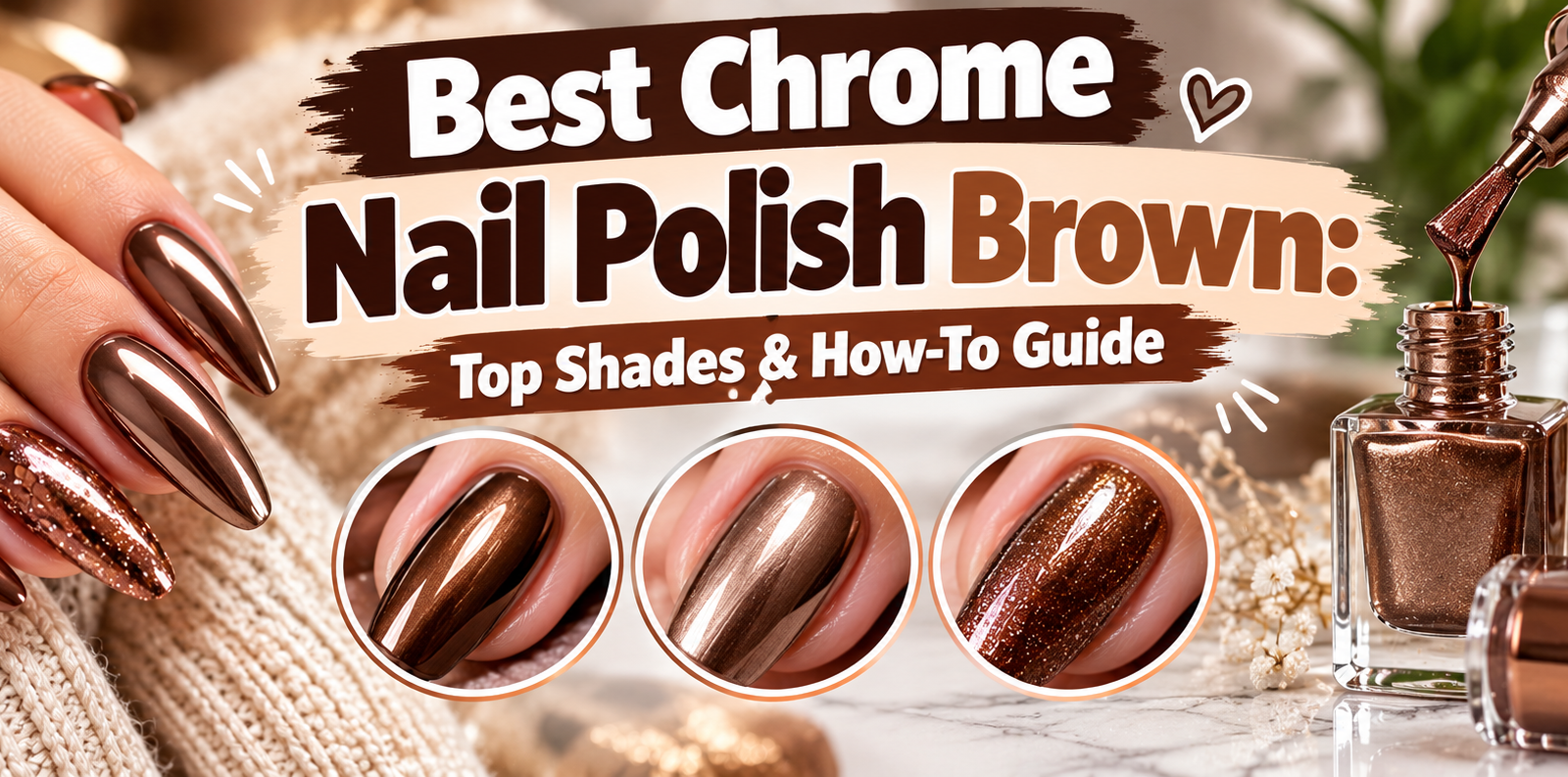
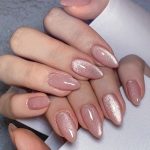
There's something almost alchemical about chrome nail polish. One brushstroke and your nails go from ordinary to metallic, from flat to liquid-sheen. And when you mix that mirror-like finish with brown, anywhere from warm tan to deep espresso, you get a look that's simultaneously understated and unforgettable.
No flashing for attention, but impossible to ignore.
Chrome brown nails have been climbing steadily in popularity, especially as the "quiet luxury" aesthetic takes over beauty culture. They pair naturally with fall wardrobes, wedding guest outfits, office-appropriate polish rotations, and weekend brunch ensembles alike. But getting that high-shine chrome effect to actually stick, and look premium rather than patchy, requires knowing exactly what you're doing.
This guide covers everything: the science behind chrome powders and top coats, every shade variation within the brown family, step-by-step application methods, the products worth your money, and the common pitfalls that turn a glossy dream into a muddy reality. Whether you're booking a salon appointment or tackling this at your kitchen counter, by the end of this article you'll know precisely how to make chrome brown nails look the way they do in magazine spreads.
What Makes Chrome Nail Polish Different From Regular Polish
Understanding chrome starts with recognizing it isn't really a polish in the traditional sense. A standard gel or regular nail polish provides color through pigments suspended in a liquid formula. Chrome, by contrast, achieves its signature reflectivity through a physical layering technique involving powdered pigment and a sticky base.
The most common approach begins with a solid color coat, usually a gel polish cured under UV or LED light. Once that base cures completely, you apply a no-wipe top coat and cure it again. This leaves the surface slightly tacky.
At that moment, you take a silicone applicator or a small makeup sponge and press or buff chrome powder onto the nail. The powder adheres exclusively to that sticky layer and not to the cured polish beneath it, creating a seamless metallic mirror. A final sealant top coat locks everything in place.
There's also a hybrid product called "chrome gel polish," which has chromium micro-particles pre-mixed into a gel formula. You paint it on like regular polish, cure it, and the result is chrome-like right out of the bottle. The trade-off is that pre-mixed chrome gels rarely match the intensity or true mirror reflectivity of loose powder applied over a proper base.
For most people wanting that liquid-metal finish, loose chrome powder over a no-wipe gel top coat remains the gold standard.
It helps to understand the material itself. True chrome nail powders are typically made from nylon or mica substrates coated with thin layers of aluminum oxide or other metallic compounds. The particle size and coating thickness determine how reflective the finish appears.
Fine-grit powders produce smoother, more mirror-like surfaces. Coarser powders create a more brushed-metal or matte-metallic look. Brown chrome powders achieve their color through additional tinting during manufacturing, usually iron oxide or other mineral-based colorants blended into the reflective substrate.
The Brown Color Spectrum in Chrome Finish
Brown isn't one color. It's a vast family, and chrome amplifies every nuance because metallic surfaces interact dramatically with light. A flat chocolate brown polish looks rich but relatively modest.
The same brown in chrome becomes luminous, shifting from coppery highlights to deep shadow depending on the angle and lighting. Here's how the major brown tones behave once they hit that metallic finish.
Light Brown and Tan Chromes
Light brown chrome is the closest thing to a warm rose-gold without crossing into pink territory. Think sand, camel, wheat, and pale mocha. These shades read as sophisticated and clean.
On lighter skin tones, they create a nearly monochromatic effect that feels intentional and expensive. On medium to deeper skin tones, light chrome brown provides a lovely contrast that draws attention to the hands without competing with natural warmth in the skin.
Tan chrome in particular has become a wardrobe staple for spring and summer. It pairs effortlessly with navy, white, cream, and olive. The finish reads as almost liquid bronze in direct sunlight but settles into a soft champagne-brown indoors.
If you're nervous about committing to a dramatic metallic look, starting with a light chrome brown is the most forgiving entry point.
Medium Brown and Caramel Chromes
Medium brown chrome occupies the sweet spot for most skin tones. Caramel, hazelnut, and milk chocolate range fall here. These shades have enough depth to look substantial but retain enough warmth to feel approachable rather than severe.
Caramel chrome, in particular, catches the light beautifully because the underlying gold tones in the brown amplify the metallic reflection.
Medium brown chrome is the most versatile shade category for professional settings. It reads polished without being loud. Pair it with a structured blazer or a simple sheath dress and the nails complement rather than dominate the outfit.
Nail techs frequently recommend this range for first-time chrome clients because it produces impressive results even if the application isn't flawless.
Dark Brown and Espresso Chromes
Dark brown chrome is where things get dramatic. Deep espresso, dark chocolate, and almost-black browns create a fierce, almost armor-like finish on the nails. In chrome form, these shades don't disappear, they glow with a subtle warmth that plain black polish lacks.
The metallic reflection adds dimension to a color that would otherwise sit flat against the nail plate.
Espresso chrome works exceptionally well on deeper skin tones, where the warm metallic gleam creates an extraordinary harmony with melanin-rich skin. On fair skin, dark chrome brown reads as bold and edgy, leaning into the kind of minimalist glamour that's dominated runways recently. If you want nails that say something without saying anything at all, this is the zone.
Reddish-Brown and Terracotta Chromes
Red undertones push brown toward terracotta, rust, and burnt sienna. These are arguably the most photogenic chrome brown variations because the red-gold undertones catch light in a way that feels inherently luxurious. A terracotta chrome nail looks like it's holding a subtle inner fire, especially in evening settings or golden hour photography.
These shades connect closely with autumn aesthetics but work year-round. A reddish-brown chrome pairs naturally with burgundy lipsticks, olive greens, and cream knits. It's also one of the most popular chrome choices for bridal parties, offering warmth that complements a wide range of skin tones without the starkness of silver or the playfulness of pastels.
Cool Brown and Taupe Chromes
Not all chrome browns are warm. Taupe, greige, and cool mushroom shades introduce gray or blue undertones that shift the entire vibe from cozy to architectural. A taupe chrome nail looks almost industrial, like brushed pewter with a brown tint.
This is the chrome equivalent of wearing tailoring instead of knitwear.
Cool brown chromes suit people whose coloring leans ashy or who prefer minimalist, modern aesthetics. They pair beautifully with black, charcoal, white, and navy. If you find warm chocolates and caramels too seasonal or too cheerful for your usual style, a taupe chrome gives you the metallic appeal without the warmth.
What You Need Before Starting Chrome Brown Nails
Getting a proper chrome finish requires a specific toolkit. The steps are straightforward, but skipping items or substituting incorrectly will show in the final result. Here's what you genuinely need and what you can skip.
Essential Supplies
A base gel polish in your chosen brown tone. Chrome powder amplifies whatever color sits beneath it. If you apply silver powder over a light beige base, you get a champagne hue. Over a dark chocolate base, you get a deep bronze.
Choose your base carefully because the powder modifies rather than replaces that color. Gel polish is strongly preferred over regular polish because it cures to a harder surface that accepts powder more evenly and lasts longer under the sealant top coat.
A no-wipe gel top coat. This is non-negotiable. Standard top coats leave a sticky inhibition layer that interferes with powder adhesion. No-wipe formulas are engineered to cure to a surface that's tacky enough for powder to grip but smooth enough for a clean application.
Look for products that explicitly state "no wipe" or "wipe-free." Apply a thin, even layer and cure fully according to the manufacturer's instructions. Undercuring is one of the most common reasons chrome applications fail, the powder won't bond properly to a partially cured surface.
Chrome powder in your chosen brown shade. Loose pigment comes in small pots or jars, usually 2 to 5 grams per container. Pressed pans exist but loose powder applies more evenly with a silicone applicator. Quality matters here.
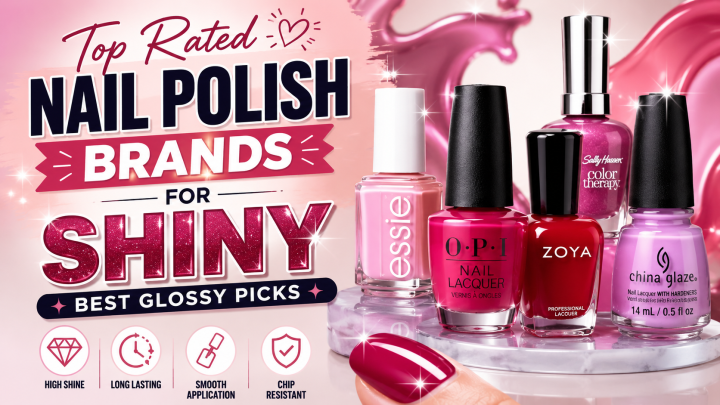
Cheap powders often contain large, uneven particles that create a grainy finish rather than a smooth mirror. Invest in a reputable brand, $Top Rated Nail Polish Brands For Shiny often carries lines that formulate specifically for chrome effects.
A silicone applicator or dense makeup sponge. Silicone tips are ideal because they glide over the nail without scratching the cured gel and pick up powder evenly. A dual-ended tool with a silicone tip on one side and a small sponge on the other works well for touch-ups. Makeup sponges are an acceptable substitute if you don't own a dedicated applicator, but they absorb more product and can leave a less uniform finish.
A sealing top coat. After the powder is buffed on, you need a clear top coat to lock it in. This can be a regular gel top coat or a no-wipe formula, either works since the powder is already seated. Apply gently to avoid disturbing the delicate metallic layer underneath.
Cure thoroughly.
Helpful but Optional Items
Isopropyl alcohol and lint-free wipes. Most gel polish formulations require wiping the uncured sticky layer before applying the no-wipe top coat. Keep alcohol nearby even if you're working with a brand that doesn't mandate it, it's good practice.
A fine-grit buffer or file. Lightly buffing the natural nail before polish application improves adhesion. Don't over-file; you're creating microscopic texture, not removing layers.
Cuticle oil. Chrome finishes look their best on well-maintained cuticles. Oil applied after the top coat cures restores moisture and adds an extra layer of shine around the nail edges.
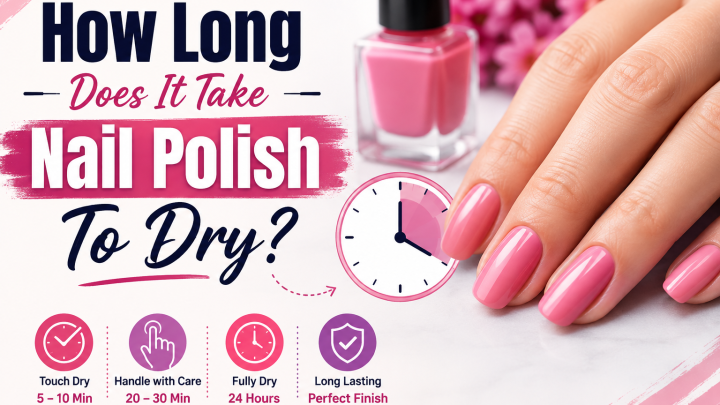
You can skip the UV lamp if you use a air-dry chrome system, but those products are less common and generally less durable. $How Long Does It Take Nail Polish To Dry varies significantly between air-dry and gel systems, which is another reason most chrome enthusiasts stick with gel.
Step-by-Step: Applying Chrome Brown Powder at Home
The process sounds deceptively simple, and in theory it is. In practice, a few details separate a salon-quality mirror finish from a cloudy, streaky mess. Follow these steps carefully and you'll get consistent results.
Step One: Prep the Nail
Begin with clean, dry nails free of old polish and oils. Push back cuticles gently. Lightly buff the nail surface with a fine buffer block to remove shine and create texture for better adhesion.
Wipe away all dust with alcohol. Apply a thin layer of bonder or primer if your gel system requires one, then cure.
Step Two: Apply Your Base Color
Paint on your chosen brown gel polish. Two thin coats are better than one thick coat. Thick layers tend to pool near the cuticles and free edge, which creates an uneven surface that shows through the chrome.
Allow each coat to cure fully according to your lamp's specifications. Under-cured base polish is a leading cause of premature chrome lifting.
Step Three: Apply the No-Wipe Top Coat
This is the critical layer. Apply a generous but controlled coat of no-wipe top coat over the fully cured base color. Make sure you cap the free edge lightly to seal the polish and reduce chipping.
Cure the top coat completely. Do not wipe it. The surface should feel tacky, almost like the inside of a sticker backing.
If it feels completely hard and smooth, you may have overcured it, which reduces powder adhesion. If it feels wet or soft, you undercured it. Either extreme makes powder application difficult.
Step Four: Buff On the Chrome Powder
Working one nail at a time, pick up a small amount of chrome powder with your silicone applicator. Gently press and buff the powder onto the tacky surface using circular and sweeping motions. The powder should immediately transform the nail into a metallic finish.
If the result looks patchy, apply more powder and continue buffing. Once the entire nail is covered, you should see a uniform metallic brown with visible reflectivity.
Work quickly but methodically. The tacky layer has a limited window before it becomes less receptive, though a fully cured no-wipe top coat generally holds its adhesiveness for several minutes. If you're applying to multiple nails, finish one nail completely, powder, buff, seal, before moving to the next.
Step Five: Remove Excess Powder
Once all nails are powdered, use a clean, fluffy brush to dust away any loose particles from the nail surface and surrounding skin. Chocolate or cinnamon chrome powder on your cuticles looks messy and undermines the polished appearance of the final result.
Step Six: Seal With a Top Coat
Apply a clear gel top coat over the chrome powder to seal and protect it. Use a light hand, dragging the brush too aggressively can lift or shift the powder layer. Cap the free edge again.
Cure fully. The result should be a smooth, glass-like metallic finish that reflects light cleanly.
Step Seven: Clean Up and Moisturize
Wipe around the nails with alcohol to remove any residue. Apply cuticle oil generously. Massaging the oil into the skin around each nail not only hydrates but also enhances the overall polished appearance of the manicure.
Professional Salons Versus At-Home Application
Getting chrome brown nails done professionally costs between $35 and $80 depending on location, salon tier, and whether you're adding length or nail art on top. Doing it yourself with quality products runs roughly $25 to $60 for a one-time kit investment that yields multiple manicures. The question isn't really about money, it's about skill, patience, and the level of perfection you expect.
Professional technicians have years of practice controlling powder pressure and top coat thickness. Their lamps are more powerful and calibrated, their powder selection is broader, and they can correct mistakes mid-application. A skilled tech can also prep damaged nails properly, which matters if your natural nails are weak or uneven.
$Best Nail Treatment For Damaged Nails At Home is useful context if you're considering the DIY route but aren't confident about your nail health.
That said, at-home chrome application has improved dramatically. Consumer-grade UV lamps now rival older salon equipment. Quality chrome powders are widely available online and in beauty supply stores.
And video tutorials have made the technique accessible to beginners who practice carefully. The learning curve is steeper for chrome than for regular polish, but not impossibly so.
If you choose the professional route, bring reference photos and be specific about the brown tone you want. "Brown chrome" means very different things to different people. A caramel chrome is closer to honey than to chocolate.
An espresso chrome is nearly black until light hits it. Having a visual target prevents misunderstandings.
Choosing the Right Brown Shade for Your Skin Tone
Skin undertone is the single most important factor in selecting a chrome brown that flatters you. Warm undertones, golden, peachy, or yellow, pair naturally with warm chrome browns like caramel, terracotta, and honey. Cool undertones, pink, red, or bluish, look best in cooler chrome browns like taupe, mushroom, and espresso.
Neutral undertones can wear either direction, though you may find certain shades more universally flattering than others.
To determine your undertone quickly, look at the veins on your wrist in natural light. Greenish veins suggest warm undertones. Blue or purple veins suggest cool undertones.
If you can't tell, you're likely neutral. This is a rough heuristic, not a scientific test, but it's consistently useful for polish selection.
Fair skin with warm undertones benefits from light to medium chrome browns, tan, camel, and light caramel, because darker shades can appear harsh and create too much contrast. Fair skin with cool undertones suits ashier browns like taupe and cool mocha.
Medium skin tones with warm undertones are incredibly versatile. Almost any chrome brown works, but milk chocolate, hazelnut, and cinnamon tend to be standouts. Medium skin with cool undertones shines in espresso and deep mocha chromes that echo the natural depth in the skin.
Deep skin tones with warm undertones look stunning in reddish-brown chromes, terracotta, burnt sienna, and rich chestnut. These shades harmonize with the golden warmth in deeper melanin. Deep skin with cool undertones handles very dark browns and near-black chromes beautifully, especially when the metallic reflection adds dimension to the natural skin tone.
Products That Deliver Genuine Chrome Results
The market for chrome nail products has exploded, and quality varies enormously. Some powders deliver a glass-like mirror in a single swipe. Others require three layers and still look muted and grainy.
Here's what to look for when shopping.
Chrome Powder Quality Indicators
Fine particle size is the most important factor. Rub a small amount between your fingers, if it feels gritty, skip it. Good chrome powder should feel silky, almost like cornstarch.
High-quality powders also pack densely in the pot rather than floating as a dusty cloud, which means you get more product per use and the pigment distributes more evenly.
Reputable brands like Eiko, Kiyo, and Glisten & Glow consistently formulate powders that deliver sharp reflectivity. Drugstore options can work for occasional use, but budget powders often contain filler materials that reduce metallic intensity.
Top Coat Selection Matters More Than You'd Expect
The no-wipe top coat is arguably more important than the powder itself. A poor top coat either cures too hard (powder slides off) or stays too wet (powder turns muddy). LCN, Modelones, and OPI all make reliable no-wipe formulas.
Read reviews specifically mentioning chrome performance, many top coat reviews focus only on shine and durability without addressing powder adhesion.
Complete Kits Versus Individual Components
Chrome starter kits bundle base color, no-wipe top coat, powder, and applicator at a discounted price. They're convenient and cost-effective for beginners. However, kit components are sometimes lower quality than individual premium products.
If you plan to do chrome regularly, buying components separately from reputable brands usually produces better results over time.
Common Mistakes That Ruin Chrome Brown Nails
Even experienced nail polish users struggle with chrome the first few times. Recognizing these failures early saves product, time, and frustration.
Patchy or Streaky Finish
This almost always stems from an improperly cured no-wipe top coat. If the layer is undercured, the powder won't bond uniformly. If it's overcured, the tackiness dissipates and powder slides around rather than sticking.
Another cause is applying too little top coat, one thin, even layer cures more reliably than two uneven ones. Ensure your lamp matches the wattage recommended by your top coat manufacturer.
Dull or Cloudy Appearance
Dullness usually indicates that excess powder wasn't fully buffed out before sealing, or that the sealing top coat was applied too heavily and created a cloudy layer over the metallic finish. Apply the sealant gently and use just enough to cover the nail without flooding it. Another possibility is low-quality powder with large, irregular particles that scatter light instead of reflecting it cleanly.
Chrome Lifting or Chipping Within Days
Premature failure typically traces back to inadequate nail prep or skipping the free-edge seal. Oil, moisture, or old polish residue on the natural nail prevents the base coat from adhering properly. Capsulating the free edge with both the base color and the top coat creates a protective barrier that dramatically extends wear.
$How To Fix Chipped Nail Polish covers repair strategies if this does happen despite best efforts.
Powder Sitting on the Skin Around the Nail
Chrome powder that lands on cuticles or sidewalls looks unfinished and can lift quickly as skin cells shed. Wipe the surrounding skin with a damp cotton pad before applying powder, or apply a thin layer of cuticle cream or petroleum jelly around the nail beforehand, the powder won't adhere to the barrier product and wipes away easily afterward.
Uneven Coverage Across Nails
Inconsistent buffing pressure causes some nails to look more metallic than others. Practice a gentle but firm circular motion, covering the entire nail surface evenly. It helps to light the work area well so you can see reflections clearly while applying.
Making Chrome Brown Nails Last
A well-applied chrome manicure should last two to three weeks with minimal chipping. Extending that lifespan comes down to a handful of habits.
Keep hands moisturized but avoid saturating the nails with oil in the first few hours after application. Wear gloves for dishwashing and cleaning, prolonged water exposure and harsh chemicals degrade the top coat seal over time. Use your fingertips for typing and light tasks rather than picking or prying at surfaces.
If a small chip appears, $How To Fix Chipped Nail Polish techniques can often save the rest of the manicure. A tiny drop of clear top coat over the affected area and a quick cure can reseat the chrome and blend the repair seamlessly.
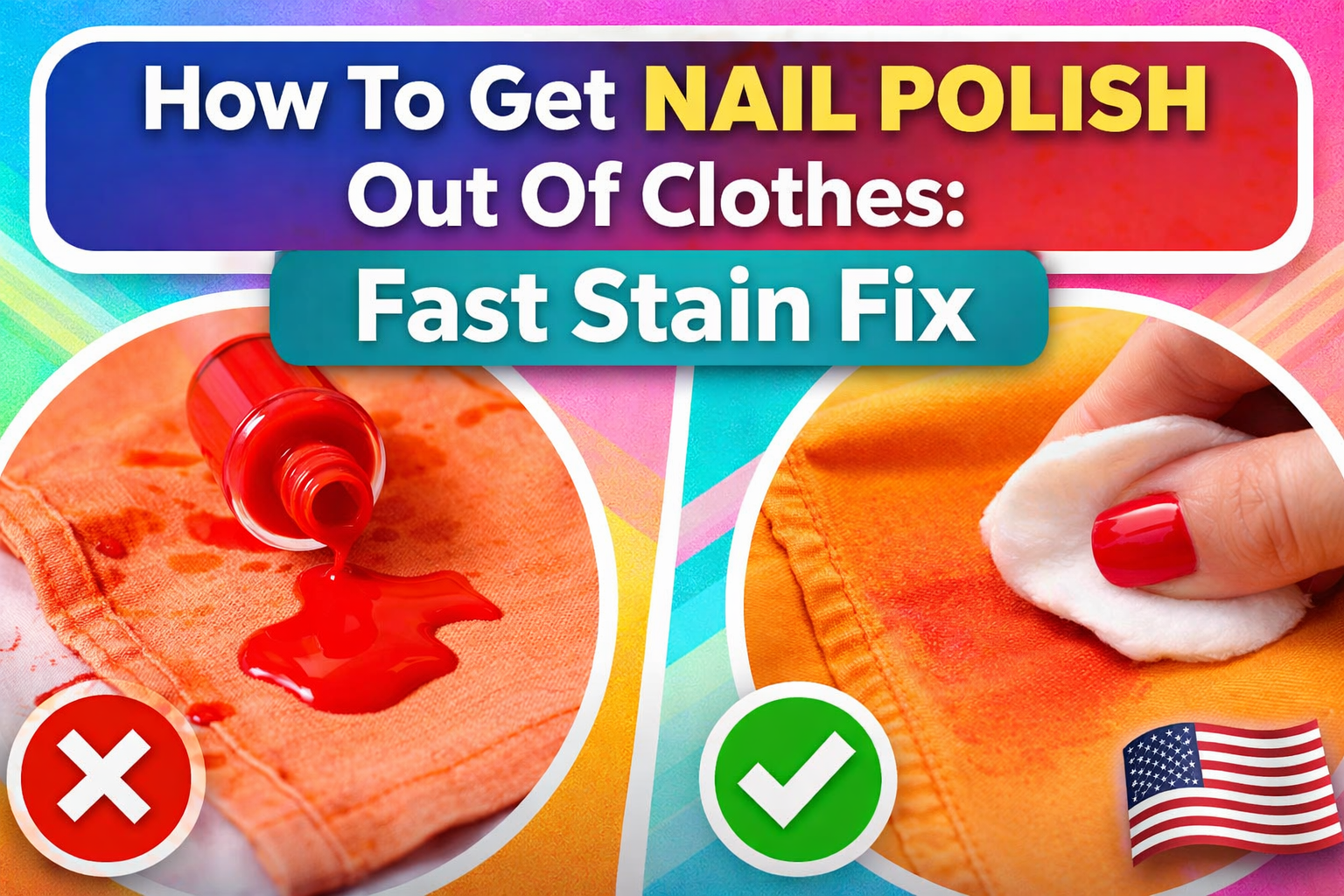
Don't soak your nails in acetone to remove chrome, this damages the natural nail underneath. File off the top layer gently, then soak in acetone-only remover for the remaining polish. $How To Get Nail Polish Out Of Clothes applies differently here since chrome involves a powder layer that responds differently to solvents than standard polish does.
Chrome Brown Nail Style Ideas and Occasions
Chrome brown nails are remarkably versatile. Here are a few directions worth considering based on your lifestyle and preferences.
The Minimalist Office Look
Single-coat medium brown chrome on natural-length nails with a rounded or squoval shape reads as professional and polished. Pair with a white button-down and tailored trousers. The metallic finish adds just enough visual interest to feel current without crossing into distracting territory.
This is the safest chrome entry point for conservative workplaces.
The Autumn Wedding Guest Ensemble
A warm terracotta or caramel chrome on almond-shaped nails complements fall palettes beautifully. Think burnt orange, mustard, deep green, and burgundy textiles. The chrome catches candlelight and warm indoor lighting in a way that flat polish never could, making it an ideal choice for evening events during October and November.
The Everyday Neutral Rotation
If chrome feels too much for daily wear but you want something beyond basic nude, try a single thin chrome stripe accent nail over a sheer brown base. This gives you the metallic moment without committing the entire hand to full chrome. It's subtle, modern, and pairs with any outfit.
The Bold Evening Statement
Full-coverage dark espresso chrome on coffin or stiletto shapes creates a fierce, editorial look. This is the kind of nail that gets comments at restaurants and photo ops at concerts. Pair with all-black outfits or let the nails be the focal point against a simpler ensemble.
Seasonal Transition Nails
Chrome brown bridges seasons surprisingly well. Light tan and caramel chromes work from late spring through early fall. Deeper espressos and mushroom tones carry through late fall and winter.
The metallic finish adapts because it reflects ambient light differently depending on the season's natural color palette.
Caring for Your Nails While Wearing Chrome
Chrome itself doesn't damage nails when applied and removed correctly. Problems arise from poor prep, aggressive filing, or improper removal techniques. If you're prone to weak or peeling nails, invest in strengthening treatments between chrome manicures.
$Strong Beautiful Nails offers guidance on building nail resilience through consistent care routines.
Give your nails a break between chrome applications. Even a few days without any product allows the nail plate to rehydrate and recover from the mild dehydration that gel polish curing can cause. During breaks, apply cuticle oil daily and consider a keratin or calcium-enriched treatment serum.
If you notice persistent sensitivity, discoloration, or nail thinning after chrome applications, discontinue use and consult a dermatologist. While rare, some people develop sensitivities to ingredients in gel top coats or primers. $FDA guidelines for cosmetic safety can help you understand what ingredients to watch for, if you're concerned about specific components, checking FDA cosmetic guidance provides useful information about regulatory standards and ingredient safety.
Frequently Asked Questions
Can you do chrome powder over regular nail polish?
Technically yes, but the results are inconsistent. Regular polish doesn't cure to the same hard, smooth surface as gel, so chrome powder adhesion is weaker and more prone to lifting. Gel polish remains the recommended base for chrome application.
How long does chrome brown nail polish last?
With proper application and care, a gel-based chrome manicure typically lasts two to three weeks. The chrome powder itself doesn't fade, but chips at the free edge or lifting at the cuticle will eventually show. Touch-ups with a small amount of top coat can extend the life.
Is chrome nail polish safe for natural nails?
Chrome powder applied over a properly cured gel base is generally safe. The risk comes from improper removal, prying or aggressively scraping off chrome layers can strip the natural nail plate. Soak-off removal with acetone, followed by gentle pushing of softened product, is the safe approach.
What's the difference between chrome powder and magnetic nail polish?
Magnetic polish contains metal filings that arrange into patterns when a magnet is held above wet polish. Chrome powder is a loose pigment pressed onto a tacky cured surface to create an all-over metallic finish. They're fundamentally different techniques.
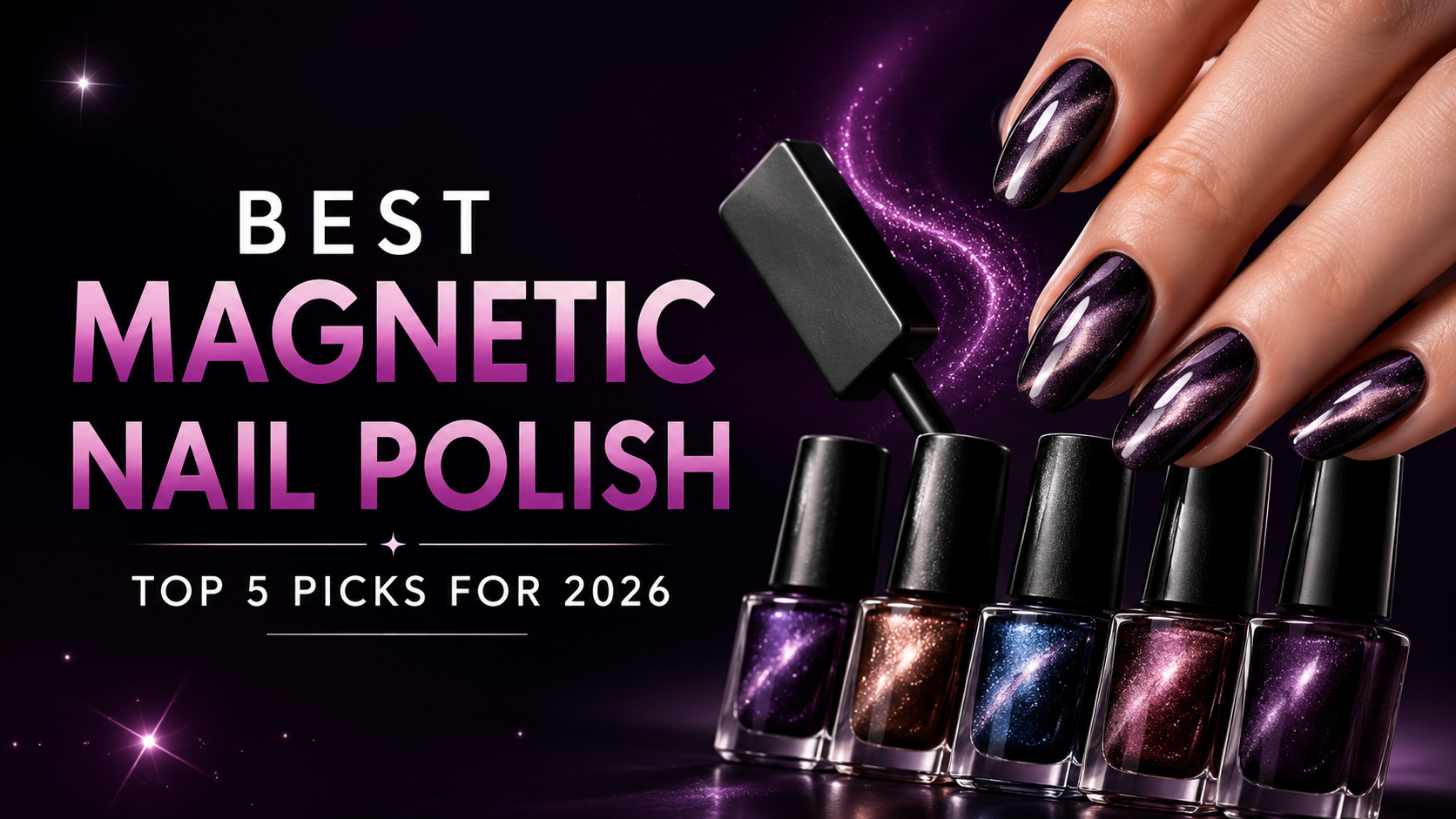
$Best Magnetic Nail Polish Top 5 Picks For 2026 covers magnetic options if you're interested in that alternative effect.
Can I use chrome powder on acrylic or dip powder nails?
Yes. Chrome powder adheres to any cured gel or resin surface that has a no-wipe top coat applied correctly. Acrylic and dip powder nails provide excellent bases for chrome because their hard, smooth surfaces accept powder evenly.
Do I need a UV or LED lamp for chrome nails?
For the most reliable results, yes. A gel-based chrome system requires curing under a UV or LED lamp. Air-dry chrome systems exist but produce less durable and less reflective finishes.
If you already own a lamp for gel polish, you're set. $Best Acrylic Nail Kits In 2026 Top 5 Picks Revie might interest you if you're exploring other nail enhancement options alongside chrome.
What brown chrome shade works best for fall?
Terracotta, chestnut, and deep espresso chromes are the classic fall choices. Terracotta captures the warm, earthy tones of autumn foliage. Espresso adds sophistication and pairs well with dark seasonal wardrobe pieces.
Both look striking in natural daylight and under indoor lighting.
Can chrome brown nails be removed at home safely?
Yes. File off the top sealant layer gently, then soak cotton pads in acetone, place them on each nail, and wrap with foil. Wait 10 to 15 minutes, then gently push away softened product with an orange stick.
Don't force or scrape, let the acetone do the work.
How do I fix a chrome manicure that looks patchy after application?
If the base color is visible through the chrome, apply another thin layer of no-wipe top coat, cure, and reapply powder. If the chrome looks cloudy or dull, the sealant was likely applied too heavily. Gently buff the surface and apply a thinner second sealant layer.
Are there chrome brown polishes that don't require powder?
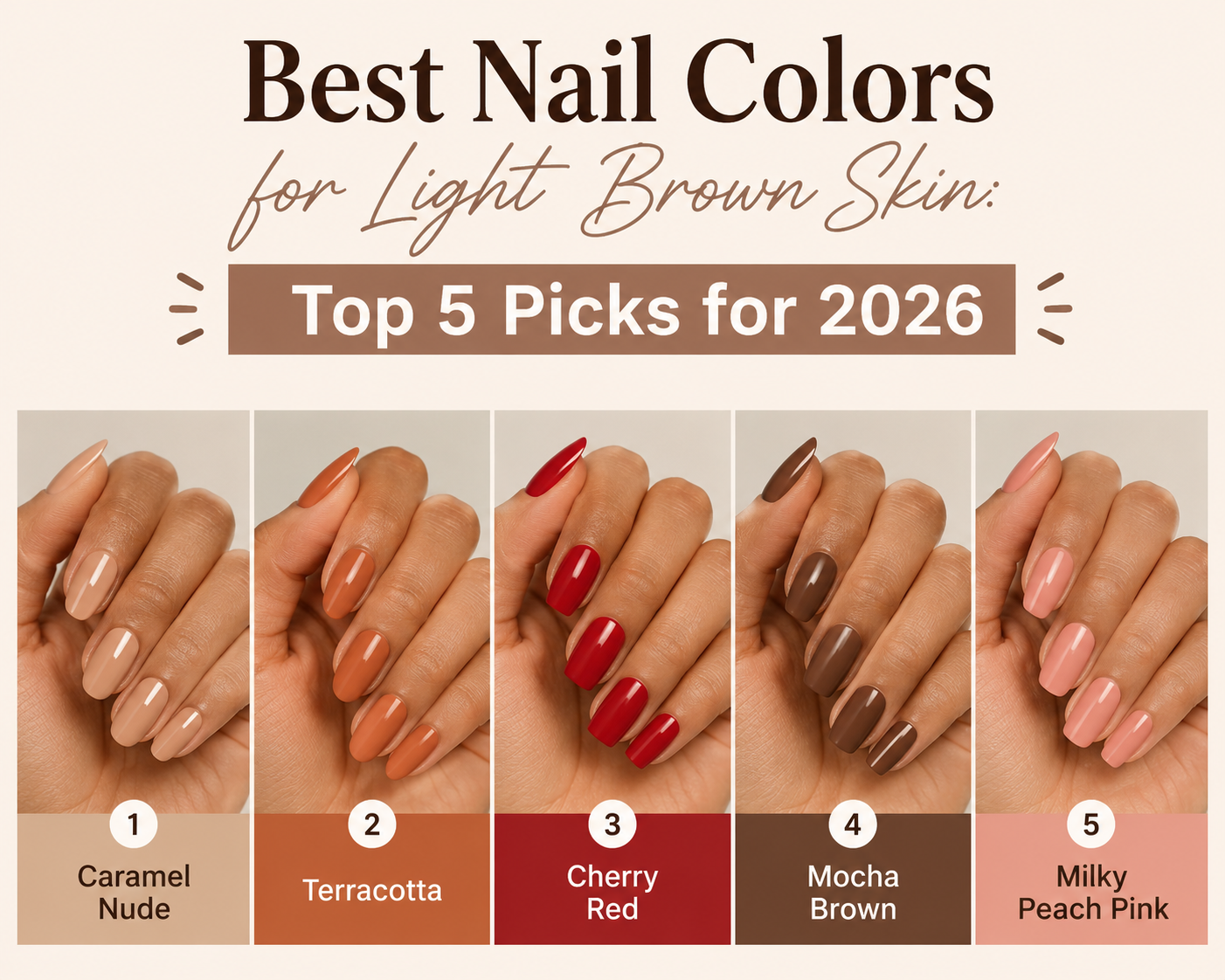
Yes, some gel polishes are formulated with metallic particles pre-mixed in, creating a chrome-like finish in a single coat. These are convenient but rarely match the intensity of loose powder applied over a proper base. $Top 10 Best Nail Polish Brands In 2026 includes brands that offer both conventional chrome gels and traditional powder systems.
Final Thoughts
Chrome brown nails occupy a thoughtful space in the current beauty landscape. They're bold enough to feel exciting but restrained enough to wear daily. They complement a wide range of skin tones, outfits, and occasions.
And once you understand the mechanics, proper base curing, no-wipe top coat timing, gentle powder buffing, careful sealing, they're entirely achievable at home.
The most important thing to remember is that chrome is a technique, not just a product. Buying expensive powder won't compensate for undercured base polish or rushed application. Take your time with each step, especially the curing and sealing phases, and the mirror finish will follow naturally.
A slow, careful application beats a fast, rushed one every time.
Whether you end up at a salon chair or at your bathroom counter with a new silicone applicator in hand, chrome brown nails are worth the effort. They're a quiet flex, a finish that says you pay attention to detail without shouting about it. And in a beauty culture obsessed with maximum impact, that restraint is its own kind of statement.
Amazon and the Amazon logo are trademarks of Amazon.com, Inc, or its affiliates.
Author


Similar Posts