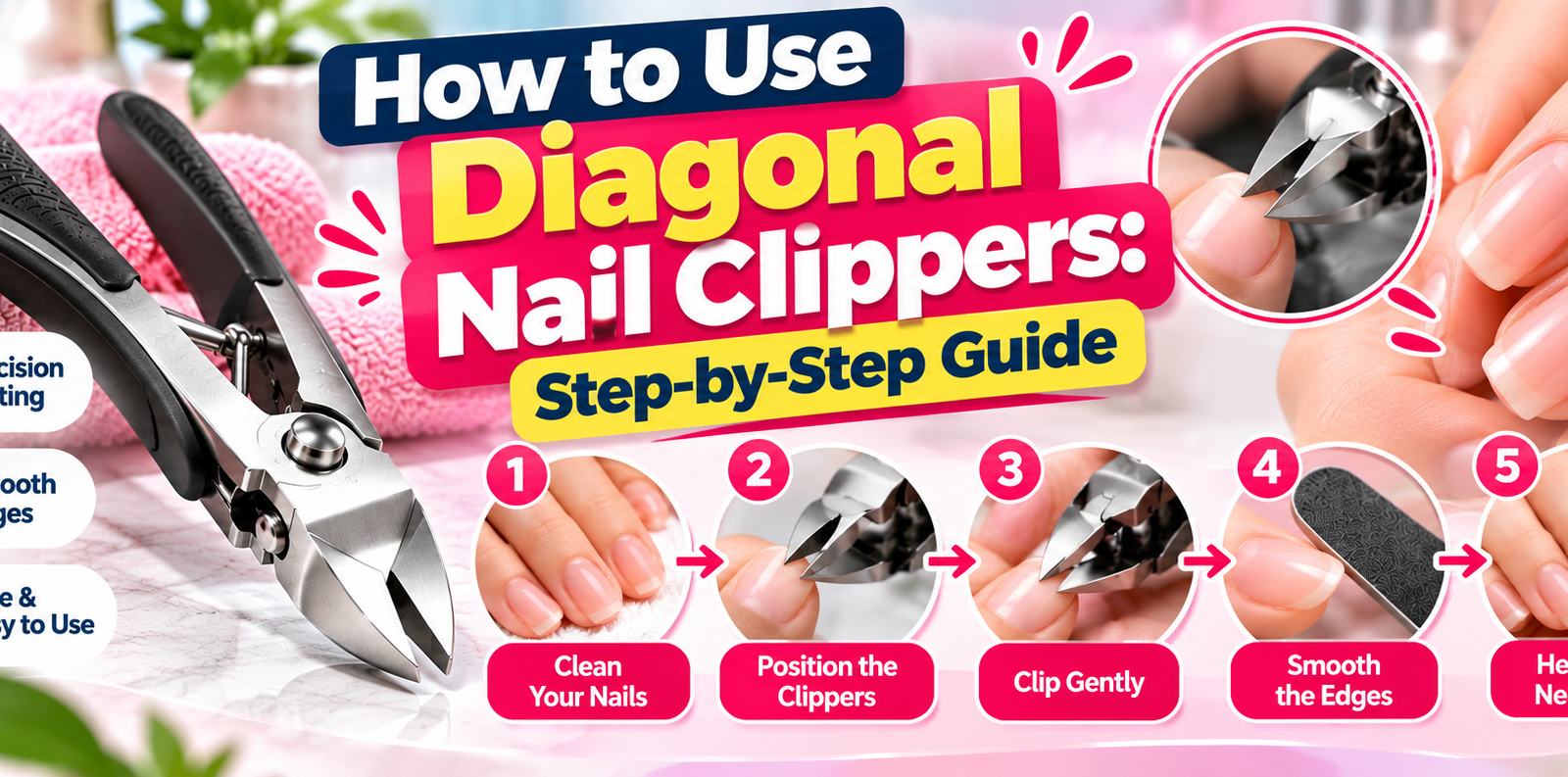
How to Use Diagonal Nail Clippers: Step-by-Step Guide
Figuring out how to use diagonal nail clipper correctly can mean the difference between healthy nails and a painful ingrown toe. If you have ever cut your toenails wrong, you know how quickly a simple trim turns into swelling, redness, and throbbing pain. Most people just grab whatever clipper is lying around and snip without thinking twice.
A diagonal nail clipper solves this problem because it follows the natural curve of your toenail. Per the American Podiatric Medical Association, ingrown toenails affect up to three percent of the general population each year, with repeated incorrect trimming being a leading cause. The curved blade lets you cut along the nail’s edge instead of digging into the skin.
Here is everything you need to know about using one safely.
Quick Answer
Soak your feet in warm water for ten to fifteen minutes to soften the nail. Trim straight across with a slight curve at each corner. Never round the edges downward.
Make several small cuts instead of one big squeeze. File any rough spots smooth afterward. Clean and disinfect the clipper after every use.
What a Diagonal Nail Clipper Actually Is (and Why It’s Different)
A diagonal nail clipper is a handheld cutting tool with a curved blade designed specifically for toenails. The key difference from regular clippers is the angled cutting edge. Regular nail clippers have a straight blade that cuts straight across.
Diagonal clippers feature a blade that curves downward along the cutting edge. This curve matches the natural shape of your toenail.
Think of it this way. Your toenail grows with a gentle arc from one side to the other. A straight clipper forces you to either cut into the curve or leave material behind.
A diagonal clipper follows that curve naturally. You get a clean edge that sits flush against the nail bed without digging into the skin.
The blades on quality diagonal clippers are typically made from stainless steel rated between 58 and 62 on the Rockwell hardness scale. That range gives you a blade that stays sharp through years of use without corroding. Cheaper versions often use softer steel that dulls quickly and may rust if you store them in a damp bathroom cabinet.
Most diagonal clippers also come with ergonomic handles. These grips reduce hand strain, which matters a lot if you have arthritis or limited wrist mobility. Some models include finger guards that protect your skin from the blade during close trimming.
Others offer spring-loaded mechanisms that open the clipper automatically after each squeeze.
The design dates back decades in professional podiatry. Foot care specialists have always preferred curved-blade instruments because they give greater control around the nail fold. Home users caught on as the benefit became better known.
Today you can find diagonal clippers at most pharmacies, big box stores, and online retailers as of 2026.
You should also know that not every curved clipper is truly diagonal. Some products market themselves as angled but really just have a slightly bent jaw. The real test is whether the cutting edge forms a consistent curve from side to side.
Hold the clipper up to a flat surface. The blade should sit flush along its entire length when closed. Any gaps mean poor manufacturing.
Understanding this tool helps you appreciate why the technique matters so much. The clipper itself does not prevent ingrown nails. Only correct usage does that.
Even the best diagonal clipper will cause problems if you dig into the corners or cut too deeply. We will cover the proper technique next.
The Real Risk: Why Improper Toenail Trimming Causes Pain and Infection
Improper toenail trimming is one of the most common causes of ingrown toenails in adults. An ingrown toenail happens when the edge of the nail grows into the surrounding skin instead of laying flat above it. This creates a loop of pressure that the body responds to with inflammation and sometimes infection.
The mechanism is straightforward. When you cut your toenail too short or round the corners, you remove the structural support that keeps the nail edge elevated. The soft tissue of the nail fold then grows upward and inward.
The next time the nail tries to grow outward, it pushes directly into that tissue. Each step, each shoe, each movement drives the nail deeper.
Per published podiatric research, recurrent ingrown toenails have a high rate of return when treated only with home remedies. Up to thirty-four percent of cases recur after basic home extraction if the underlying trimming habit never changes. This is why learning the right technique matters more than any single product.
Beyond pain and recurrence, infection is the serious risk. Bacteria and fungi thrive in the warm, dark environment created when skin and nail interlock. Signs of infection include increasing redness, warmth, swelling, pus discharge, and throbbing pain that worsens over days.
Left untreated, a local nail infection can spread to surrounding tissue and, in rare cases, enter the bloodstream.
People with diabetes face extra danger here. Poor circulation and reduced sensation in the feet mean infections can progress silently. What looks like a minor sore on the toe can turn into a serious complication within days.
The CDC recommends that people with diabetes avoid self-treatment of nail problems and seek care from a podiatrist instead.
Even without diabetes, repeated trauma to the nail bed weakens the nail over time. You may notice thickening, discoloration, or a permanently ridged appearance. That permanent damage is avoidable with proper cutting technique.
The good news is that switching to diagonal clippers and using them correctly eliminates most of these risks entirely.
Understanding the Tool: Blade Curve, Handle Grip, and Cutting Mechanics
The science behind a diagonal nail clipper comes down to leverage and geometry. The curved blade is not just a cosmetic choice. It changes the angle at which force meets the nail.
When you squeeze the handles of a diagonal clipper, the curved blade closes from both ends toward the center. This creates a pinching action that severs the nail cleanly along its natural arc. A straight clipper, by contrast, closes uniformly across the entire blade at once.
That uniform pressure can crush thick or brittle nails rather than slicing through them cleanly.
The ergonomic handle design addresses a second problem: hand strength. Toenails are significantly thicker and harder than fingernails. Cutting through them requires substantial gripping force.
Standard straight clippers concentrate that force into a small contact area, which strains the thumb and index finger. Diagonal clippers distribute the load across a larger surface area of the palm and fingers. Many models also feature wider handle loops that reduce the grip strength needed by up to forty percent according to manufacturer specifications.
Handle materials matter too. Rubberized or textured grips prevent slipping, especially when your hands are slightly damp from a foot soak. Metal-on-metal handles can become slippery and may transfer vibration directly into your joints with each squeeze.
Look for clippers with cushioned inserts or soft-touch coatings if you plan to trim regularly.
The jaw design determines cutting capacity. Quality diagonal clippers can handle nails up to three millimeters thick without bending or binding. If the nail is thicker than that, you will need to make multiple shallow passes rather than attempting one deep cut.
Attempting to shear through an overly thick nail in one squeeze can bend the blade, damage the cutting edge, or cause the clipper to slip and nick your skin.
Some advanced models include a magnifying lens built into the handle or an LED light at the cutting head. These features help users see the nail line clearly, which reduces error. They are not essential but can be worth the extra cost for anyone with vision challenges or extremely thick nails.
Step-by-Step: How to Safely Trim Your Toenails With a Diagonal Clipper
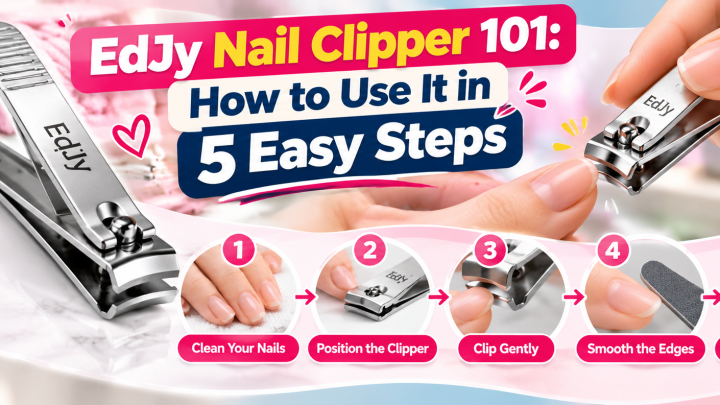
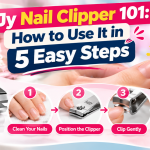
Follow these steps every time you trim your toenails. Consistency is what prevents problems.
Step One: Soften the Nails
Soak your feet in warm water for ten to fifteen minutes. Add a small amount of mild soap or Epsom salt if you like, but plain warm water works fine. Pat your feet dry completely with a clean towel.
The nails should feel slightly softer than usual but still firm enough to hold their shape. Trim nails that are too hard will chip and split. Nails that are too soft will tear unevenly.
Step Two: Position the Clipper
Hold the diagonal clipper in your dominant hand. Place it at the outer edge of the toenail, aligning the curved blade with the natural arc of your nail. The tip of the blade should sit just above the nail surface, not touching the skin.
Check your angle in a mirror if you need to. You want the blade parallel to the ground when viewed from the side.
Step Three: Make Small Cuts
Apply gentle, steady pressure to the handles. Do not squeeze hard all at once. Instead, make a small cut at the outer corner, then lift and reposition for the next bite.
Work your way across the nail in two or three passes. Each pass should remove only a thin sliver of nail material. This controlled approach gives you maximum visibility and control throughout the process.
Step Four: Leave the Corners Square
Stop clipping before you reach the very inner and outer corners of the nail. Leave those corners square and slightly longer than the rest of the nail bed. Do not dig the clipper into the flesh at the sides.
The diagonal curve of the blade should follow the nail’s natural arc, not cut into the surrounding skin. Your goal is a straight-across cut that curves gently at the edges, not a rounded or tapered shape.
Step Five: File the Edges
Use a medium-grit nail file to smooth any sharp corners left by the clipper. File in one direction only, from the side toward the center. Do not saw back and forth, which can create micro-fractures in the nail plate.
If you want guidance on proper filing technique, this guide on how to file nails safely covers the motion and pressure you should use for different nail types.
Step Six: Inspect and Clean Up
Run your finger gently along the nail edge. It should feel smooth with no sharp points catching on fabric or socks. Check both sides of each nail for any remaining spicules or lifted edges.
Trim or file those away carefully. Apply a small amount of antiseptic if you nicked any skin during the process.
Step Seven: Clean Your Tools
Wipe the clipper blades with rubbing alcohol or an antibacterial wipe after every use. This kills bacteria and prevents fungal spores from building up on the metal. Let the alcohol air dry completely before storing.
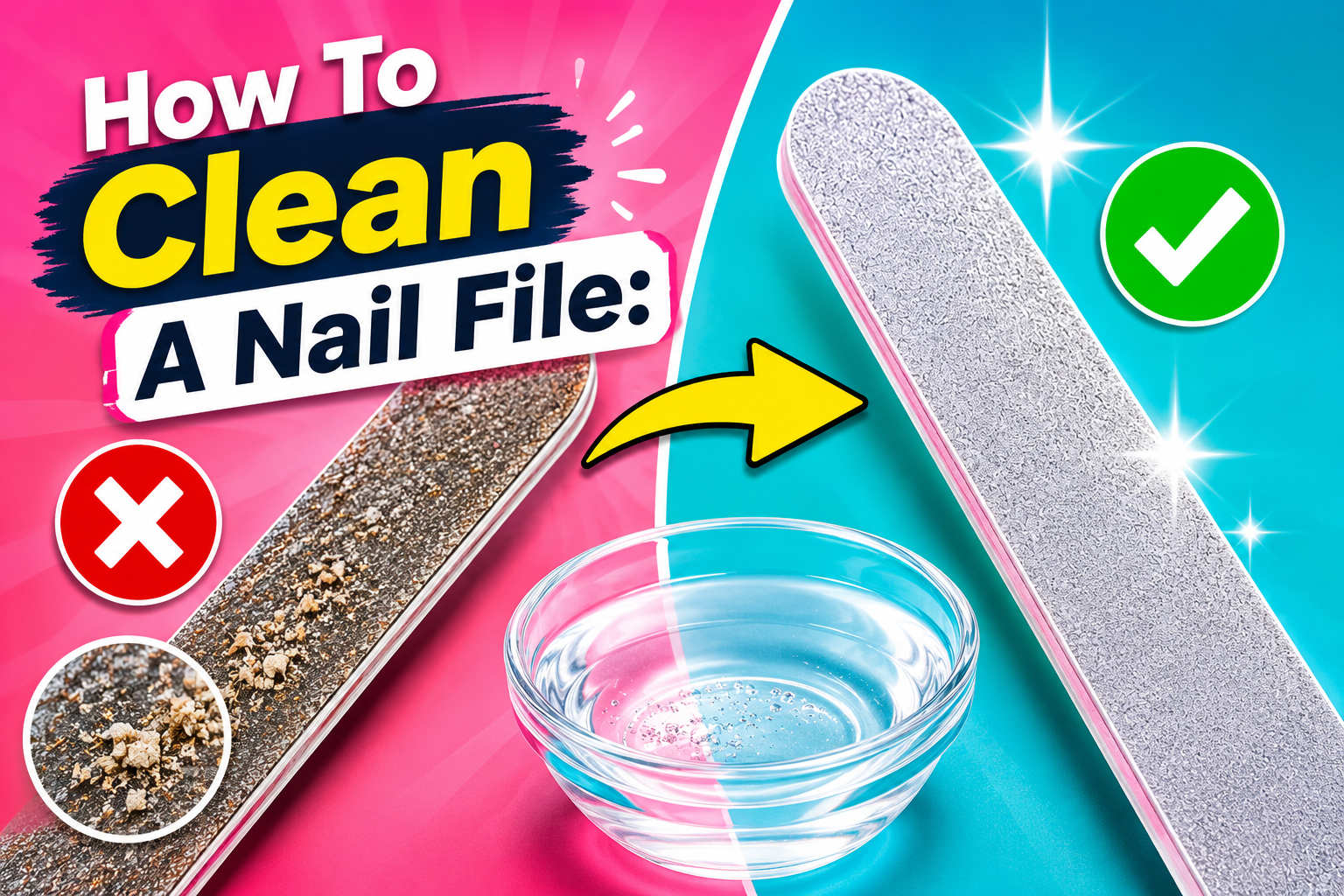
Do not wipe with a cloth that has touched other surfaces, as that reintroduces contaminants. Learning how to properly clean nail tools like files will also help you maintain a full set of nail care instruments.
Regular nail maintenance supports overall strong and beautiful nails, including the toenails that bear the most daily stress.
Common Mistakes That Lead to Ingrown Nails or Injury
Most toenail problems come from the same handful of mistakes. Recognizing these patterns before you pick up the clipper will save you weeks of discomfort.
Rounding the Corners
This is the number one error. People tend to round off the corners of their toenails because they think it looks neater or feels smoother. Rounded corners are exactly what invite ingrown toenails.
When the corner is clipped away, the nail edge loses its natural barrier against the skin fold. The skin grows over the bare nail edge and traps it underneath. Always leave the corners square and let them extend just past the skin line.
Cutting Too Short
Cutting nails flush with or below the skin line removes the protective platform that keeps the nail elevated. The nail bed heals faster than the nail plate grows. Before you know it, the surrounding tissue has grown up over the nail, and the next growth cycle pushes directly into soft tissue.
Leave at least one to two millimeters of white nail extending beyond the toe tip.
Using Dull Clippers
Dull blades crush and tear rather than cut cleanly. This creates jagged edges that can catch on socks and bedding. More importantly, crushing forces can drive nail fragments into the nail bed during the cut.
Replace your diagonal clippers as soon as you notice resistance, tearing, or uneven cuts. A sharp pair should slice through a normal toenail in one confident squeeze with minimal effort.
Cutting Wet Nails
Nails absorb water and become softer and more pliable when wet. This sounds convenient, but wet nails are actually more prone to splitting and uneven breaking. The recommendation to soak feet first applies to softening the nail, not clipping it while saturated.
Always pat dry completely before you begin cutting.
Digging Into the Nail Folds
Some people push the clipper deep into the side groove to remove what they perceive as an overgrown corner. This aggressive cutting damages the nail fold tissue and creates a wound that becomes inflamed. The body responds by producing excess keratin and skin cells, which further narrows the nail groove.
It becomes a vicious cycle. Stay above the skin line at all times.
One-handed Trimming Without Support
Trying to hold your foot still with one hand while clipping with the other leads to slips and uneven cuts. Sit down in a comfortable position with your foot resting on a stable surface. Use your free hand to gently hold the toe steady, pulling the skin taut away from the nail edge rather than pushing down on the nail itself.
If you do accidentally cut too deep and damage the nail, knowing the best nail treatment for damaged nails at home can help you manage the situation before it worsens. Similarly, understanding how to fix a broken nail provides useful first-response knowledge if you crack or split the nail plate during trimming.
When a Diagonal Clipper Is the Right Choice (and When It Isn’t)
Diagonal nail clippers excel in specific situations. Knowing when to reach for them and when to look elsewhere is part of using them correctly.
They are the best choice for:
- Thickened toenails caused by age, trauma, or fungal conditions
- Naturally curved toenails that grow in a pronounced arch
- Athletes whose nails have been repeatedly traumatized by running or sports
- Anyone with a history of ingrown toenails who wants to prevent recurrence
- People with limited dexterity or arthritis who need the leverage advantage
- Home pedicure routines where precision matters
They are less ideal or inappropriate when:
- You have diabetes or peripheral neuropathy and should be seeing a podiatrist for nail care
- The nail is severely thickened to the point where household clippers cannot penetrate it
- There is active infection, abscess, or severe inflammation around the nail fold
- The nail has already grown deeply into the skin and requires professional removal
- You are trimming fingernails, where a standard straight clipper is more appropriate and precise
- The clipper you have is visibly damaged, corroded, or too dull to cut cleanly
If your nails are extremely thick and resistant even to a quality diagonal clipper, you may need to file them down gradually over multiple sessions rather than attempting a single cut. Patience beats force every time with toenail care. Rushing to cut through a thick nail with excessive pressure is how most accidents happen.
Pros and Cons: Honest Trade-offs You Should Know Before Buying
No tool is perfect. Here is a balanced look at what diagonal nail clippers get right and where they fall short.
| Factor | Advantage | Disadvantage |
|---|---|---|
| Cutting precision | Follows natural nail curve for clean, accurate cuts along the nail arc | Requires practice to master the correct angle and pressure |
| Ingrown nail prevention | Significantly reduces risk compared to straight clippers when used correctly | Will still cause ingrown toenails if corners are rounded or cut too deep |
| Thickness handling | Handles thick nails better than straight clippers due to leverage design | Still struggles with extremely thick or hardened nails that need professional equipment |
| Ease of use | Ergonomic handles reduce hand strain during trimming | Slightly bulkier than standard clippers, may not fit small hands well |
| Cost | Generally affordable, $8 to $25 for quality pairs | Premium models with features like LEDs can run $40 to $60 |
| Durability | Stainless steel blades last years with proper care | Cheap versions with poor steel will dull quickly and may rust |
| Visibility | Curved blade allows you to see the cut line clearly | Some users find the angled design slightly awkward at first |
| Versatility | Works well for both left and right feet | Not ideal for fingernails, where straight clippers are more precise |
The main trade-off is learning curve. If you have always used straight clippers, switching to a diagonal design requires you to adjust your grip and visual alignment. Most people adapt within a few uses.
The investment pays off quickly if you have ever suffered from ingrown toenails.
Maintenance and Hygiene: Keeping Your Clippers Safe and Effective
Proper maintenance extends the life of your diagonal clippers and keeps them safe for repeated use on your own body.
Cleaning After Each Use
Wipe the cutting blades with a cotton pad soaked in isopropyl alcohol at least seventy percent concentration. This removes blood, skin particles, and nail debris that could harbor bacteria or fungi. Let the alcohol air dry completely before storing.
Do not wipe with a cloth that has touched other surfaces, as that reintroduces contaminants.
Deep Cleaning Periodically
Once a month, disassemble the clipper if the model allows it. Most diagonal clippers have a pivot screw that can be loosened with a small screwdriver or by turning the screw counter-clockwise with your fingers. Clean both halves thoroughly with alcohol, then dry completely before reassembling.
A drop of mineral oil on the pivot point keeps the action smooth.
Blade Inspection Routine
Before each use, visually inspect the cutting edges. Look for nicks, chips, or signs of corrosion. Run a fingernail lightly along the blade edge.
Do not press hard. If it catches or drags rather than gliding smoothly, the blade is dull and needs replacement. Sharp blades cut cleanly.
Dull blades crush and tear, which increases the risk of nail damage and infection.
Storage Best Practices
Store your clippers in a clean, dry place. A dedicated compartment in a bathroom drawer or a small zippered pouch works well. Avoid throwing them loosely into a drawer with other metal tools, as impacts can chip or misalign the cutting edges.
If you travel, keep them in a protective case to prevent blade damage and contain any microscopic debris.
When to Replace
Quality diagonal clippers last anywhere from five to ten years with proper care. Replacement triggers include persistent dullness despite careful handling, visible corrosion that cleaning cannot remove, loose or wobbly pivot joints, and handles that crack or break. Do not attempt to sharpen the blades yourself.
Proper sharpening requires specialized equipment and can ruin the precision curvature of the cutting edge. Buy a new pair when these signs appear.
Alternatives Compared: Diagonal Clippers vs. Straight Clippers vs. Electric Files
Not every situation calls for a diagonal clipper. Understanding your alternatives helps you choose the right tool for the job.
| Feature | Diagonal Nail Clipper | Straight Nail Clipper | Electric Nail File/Trimmer |
|---|---|---|---|
| Best for | Thick, curved toenails; ingrown nail prevention | Fingernails, thin toenails, quick trims | Very thick or fungal nails, callus reduction |
| Cutting action | Curved slice along nail arc | Straight across | Grinding and sanding down |
| Skill required | Moderate | Low | Low to moderate |
| Pain level | Minimal with proper technique | Minimal | Variable, can cause heat or vibration discomfort |
| Precision | High for following nail contour | High for straight cuts | Lower, removes material gradually |
| Cost range | $8 to $60 | $3 to $20 | $15 to $80+ |
| Maintenance | Clean blades, oil pivot | Simple wipe down | Replace bits, clean dust collector |
| Infection risk | Low with proper hygiene | Low with proper hygiene | Moderate, bits can harbor debris if not cleaned |
| Duration per trim | 3 to 5 minutes | 1 to 2 minutes | 5 to 10 minutes |
Straight nail clippers remain the right tool for fingernails and for people with thin, flat toenails that do not curve significantly. They are faster and simpler for routine maintenance on healthy nails. However, they lack the curvilinear cutting path that makes diagonal clippers superior for preventing ingrown toenails.
Electric nail files and trimmers deserve attention for people with very thick nails or nail fungus. These devices grind away nail material gradually rather than cutting it. The advantage is that they remove material without creating sharp edges or putting lateral pressure on the nail bed.
The downside is that they generate heat, require power sources, and take considerably longer than a simple clip. They also carry a higher risk of over-filing if you are not experienced.
Many people find that owning both a diagonal clipper and a basic file gives them the best results. Clip to length with the diagonal tool, then refine the edge with a file. This combination covers most home nail care needs without requiring expensive electric equipment.
Who Should Avoid DIY Trimming and Seek Professional Care Instead
While diagonal clippers are safe and effective for most people, certain conditions change the risk calculation entirely.
People with Diabetes
The CDC and American Diabetes Association both recommend that people with diabetes avoid self-trimming of toenails. Reduced sensation in the feet means you may not feel a cut or nick until infection has already started. Poor circulation slows healing, turning a minor injury into a serious complication.
See a podiatrist or certified foot care specialist for nail trimming on a regular schedule.
People with Peripheral Neuropathy
Any condition that causes numbness, tingling, or reduced feeling in the feet falls into the same category as diabetes. If you cannot reliably feel the pressure of the clipper against your skin, you are at elevated risk of accidental injury. Professional trimming eliminates that risk.
People with Circulation Disorders
Poor blood flow to the extremities impairs healing and immune response. Minor trauma to the toe area can progress to ulceration or gangrene in severe cases. Anyone with diagnosed vascular disease should have nail care managed by a healthcare professional.
People with Active Nail Infections
If your toenail is already red, swollen, warm to the touch, or draining pus, do not attempt to trim it yourself. Home clipping can push bacteria deeper into the tissue and worsen the infection. See a podiatrist or primary care provider for appropriate treatment before resuming any self-care routine.
People with Severely Thickened Nails
Nails that have become excessively thick from chronic trauma, aging, or fungal infection often cannot be safely cut with household clippers. The force required can cause the nail to shatter or the clipper to slip. Podiatrists have access to heavy-duty professional clippers and grinding equipment designed for this exact scenario.
If you fall into any of these categories, scheduling regular visits with a podiatrist is far safer and often more economical than dealing with the consequences of a botched home trim. Professional care typically costs between fifty and one hundred fifty dollars per visit depending on your location and insurance coverage. Many people find that quarterly professional visits keep their nails in excellent condition year-round.
Frequently Asked Questions
Can I use a diagonal nail clipper on my fingernails?
You can, but it is not ideal. Diagonal clippers are optimized for the wider, flatter surface of toenails. Fingernails are smaller and thinner, so a standard straight clipper gives you more precision and control.
Reserve diagonal clippers for toes and keep a regular pair for hands.
How often should I trim my toenails with a diagonal clipper?
Trim toenails every two to four weeks, depending on how fast they grow. Most adults find a biweekly schedule works well. Do not wait until the nails are long enough to curl over the toe tip.
Regular maintenance trimming prevents the problems that arise from trying to cut back overgrown nails all at once.
What is the best angle to hold a diagonal nail clipper?
Hold the clipper so the blade sits parallel to the ground when viewed from the side. The curved cutting edge should align with the natural arc of your toenail. This means the clipper is neither tilted upward nor downward relative to the nail surface.
A mirror placed on the floor in front of you helps you check your angle before each cut.
Can diagonal nail clippers cure existing ingrown toenails?
No. Diagonal clippers are a prevention tool, not a treatment. If an ingrown toenail has already developed, home clipping alone will not resolve it and may make it worse.
Professional medical treatment such as partial nail avulsion or chemical matrixectomy is usually required for persistent or severe cases. See a podiatrist for evaluation.
How do I know if my diagonal nail clipper is still sharp enough?
A sharp diagonal clipper cuts through a normal toenail in one smooth squeeze with minimal effort. If you find yourself squeezing harder than usual, making multiple attempts on the same spot, or noticing torn or ragged edges after cutting, the blade is dull. Replace it rather than attempting to sharpen it yourself.
Are stainless steel diagonal clippers worth the extra cost over plastic ones?
Yes. Stainless steel blades stay sharp far longer, resist corrosion, and can be disinfected effectively with alcohol. Plastic clippers degrade quickly, cannot be properly sanitized, and often have insufficient cutting force for toenails.
The price difference is usually fifteen to twenty dollars, which is modest compared to the cost of treating an infected ingrown toenail.
Learning to use a diagonal nail clipper properly is a small skill with outsized payoff. You will spend about five minutes per foot every couple of weeks, and that investment prevents weeks of pain, missed steps, and potential medical visits. The technique is straightforward once you understand the reason behind each step.
Soak, position, clip small, file smooth, and clean up. Stick to that routine and your toenails will thank you.
Amazon and the Amazon logo are trademarks of Amazon.com, Inc, or its affiliates.
Author


Similar Posts