How to Treat Green Nails at Home: Safe, Effective Remedies That Actually Work

The first time I noticed a green stain under my nail, my stomach dropped. It looked alarming—almost moldy—and my first thought was, Is this dangerous? After some research (and a bit of trial and error), I learned that green nails are scary-looking but often treatable at home if you act early and do the right things.
In this guide, I’ll share:
- What actually causes green nails
- Why they’re not always a fungal infection
- How to get rid of green nails at home safely
- When home care is enough—and when it’s not
Let’s start with what’s really going on under the nail.
What Causes Green Nails in the First Place?
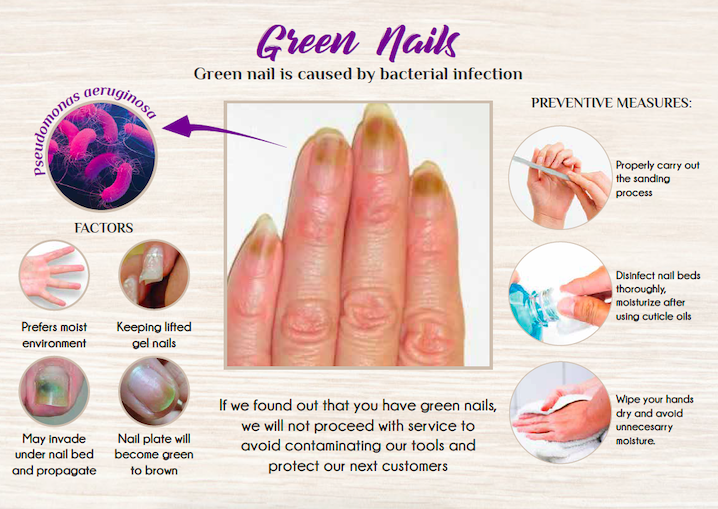
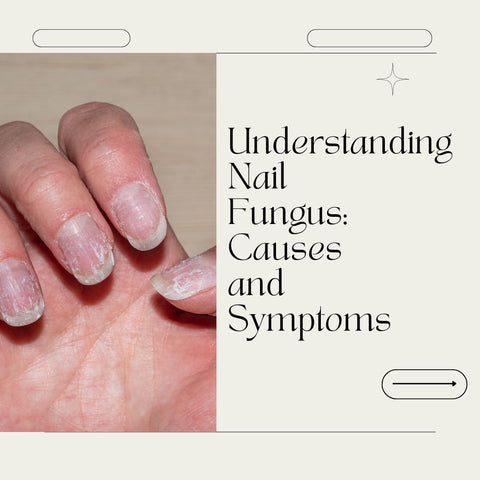
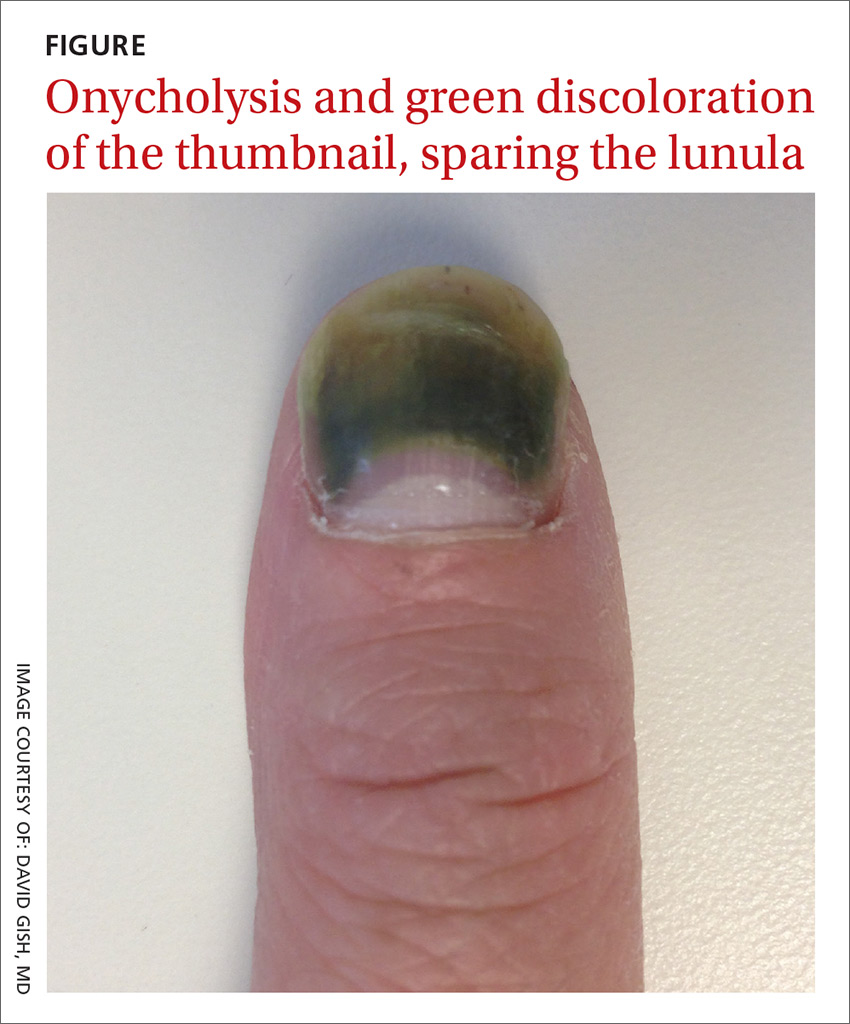
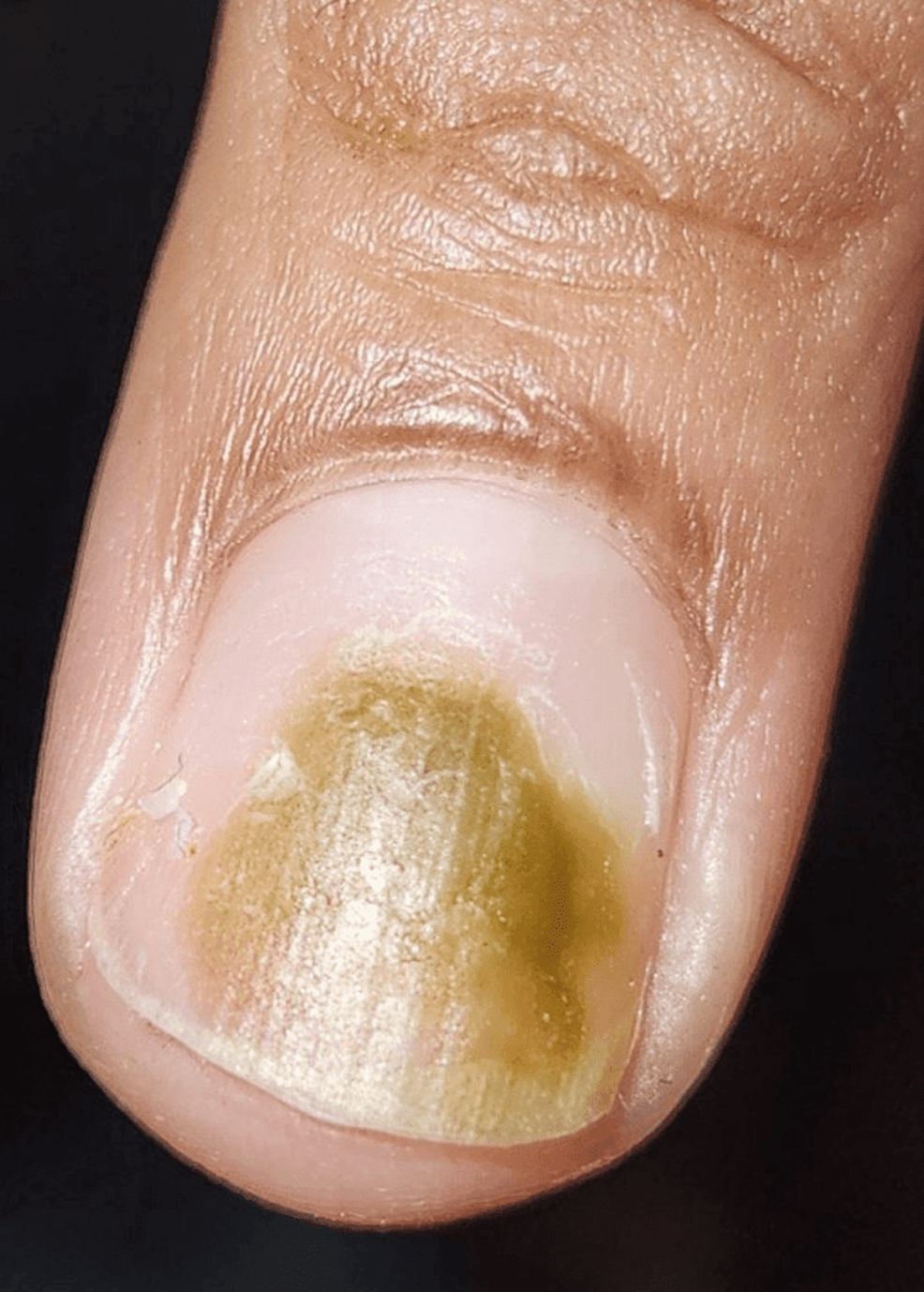
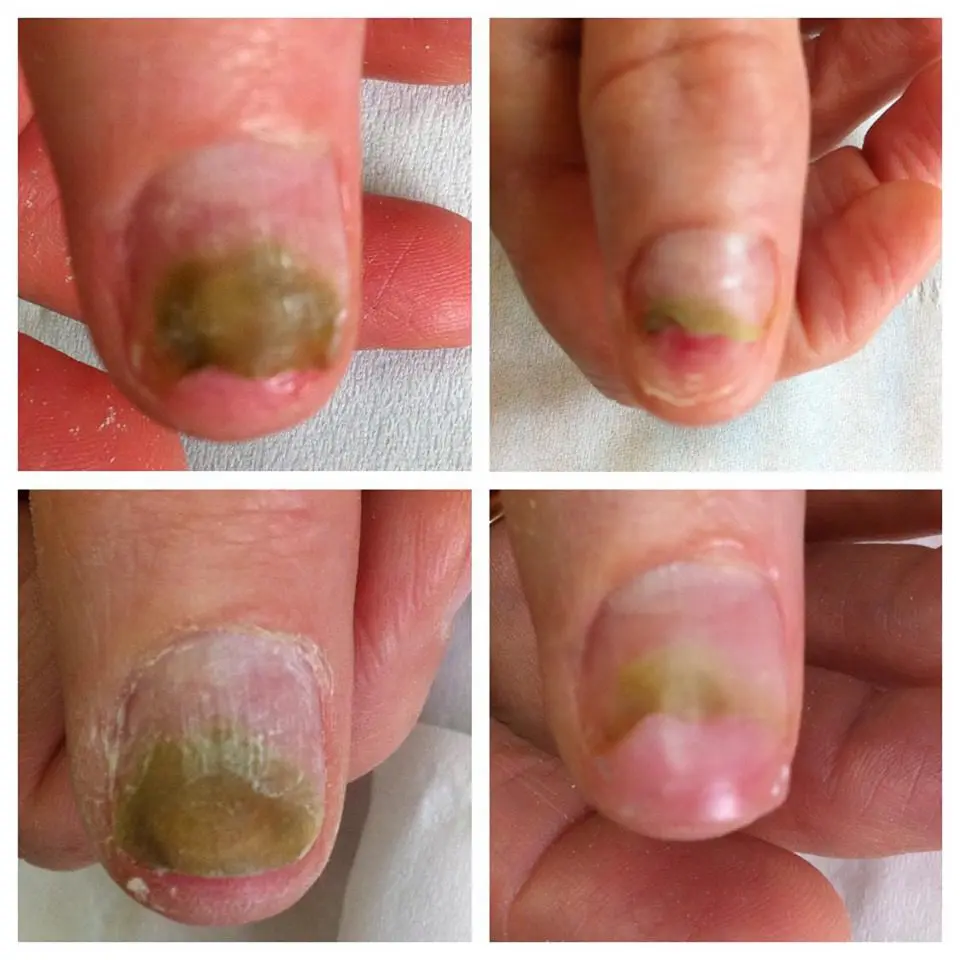
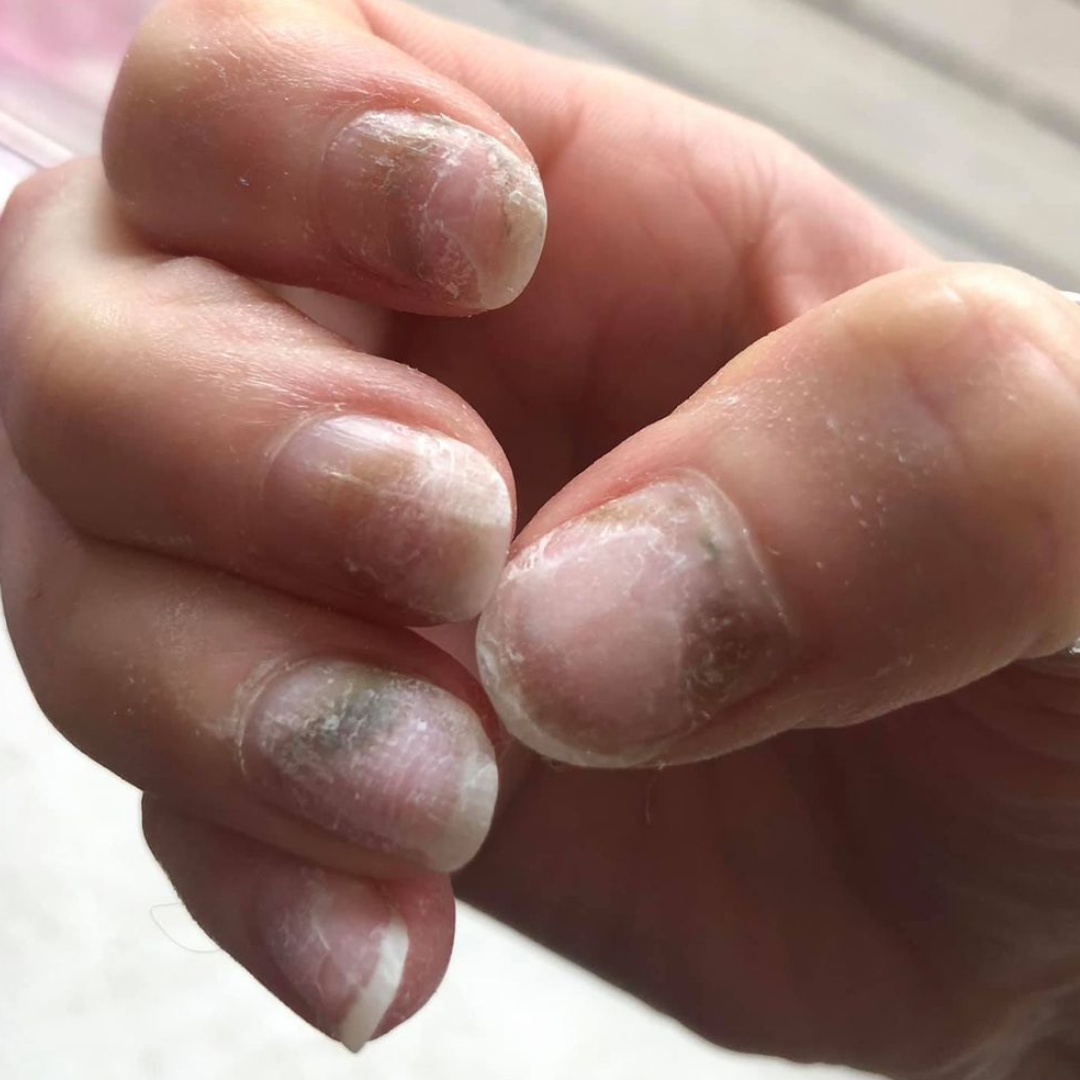
Green nails are most commonly caused by a bacterial overgrowth, not fungus. This condition is often referred to as green nail syndrome.
BUY Product Here
Green Nail Syndrome (The Real Culprit)
Green nail syndrome is usually caused by Pseudomonas bacteria. These bacteria:
- Thrive in moist, dark environments
- Love being trapped between the natural nail and artificial products
- Produce pigments that turn nails green, yellow-green, or dark teal
This is why the discoloration often appears after gel polish, acrylics, press-ons, or nail extensions.
Moisture Is the Main Trigger
In almost every case I’ve seen (including my own), moisture was the problem:
- Water seeped under lifted gel or acrylic
- Nails stayed wet after showers or cleaning
- Artificial nails trapped humidity for days
Once moisture is trapped, bacteria multiply quickly.

BUY Product Here
Acrylics, Gel Polish, and Press-Ons
Green nails don’t mean your nail tech used dirty tools. More often, it’s due to:
- Lifting at the edges of gel or acrylic
- Wearing enhancements too long
- Reusing press-ons without full drying
Even high-quality nail products can create the perfect environment if moisture sneaks in.
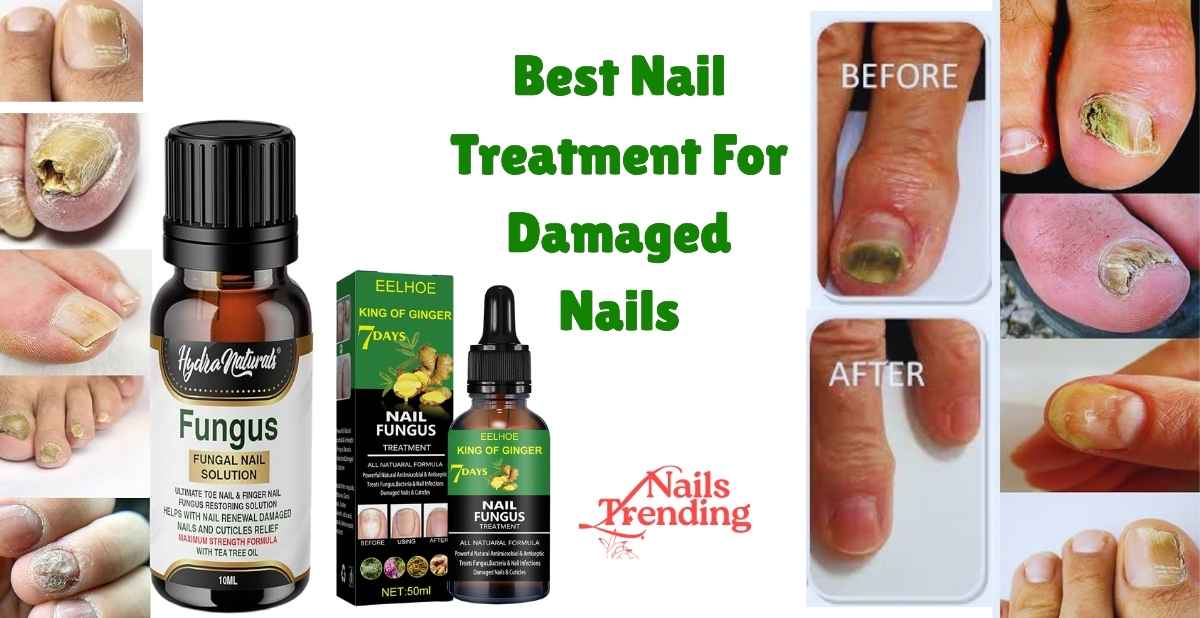
Bacterial vs Fungal: Why the Difference Matters
This part is critical.
Green nails = usually bacterial
- Color: green, yellow-green, sometimes blackish
- Smell: may be slightly musty
- Texture: nail often feels normal, not thick
Fungal nails = different issue
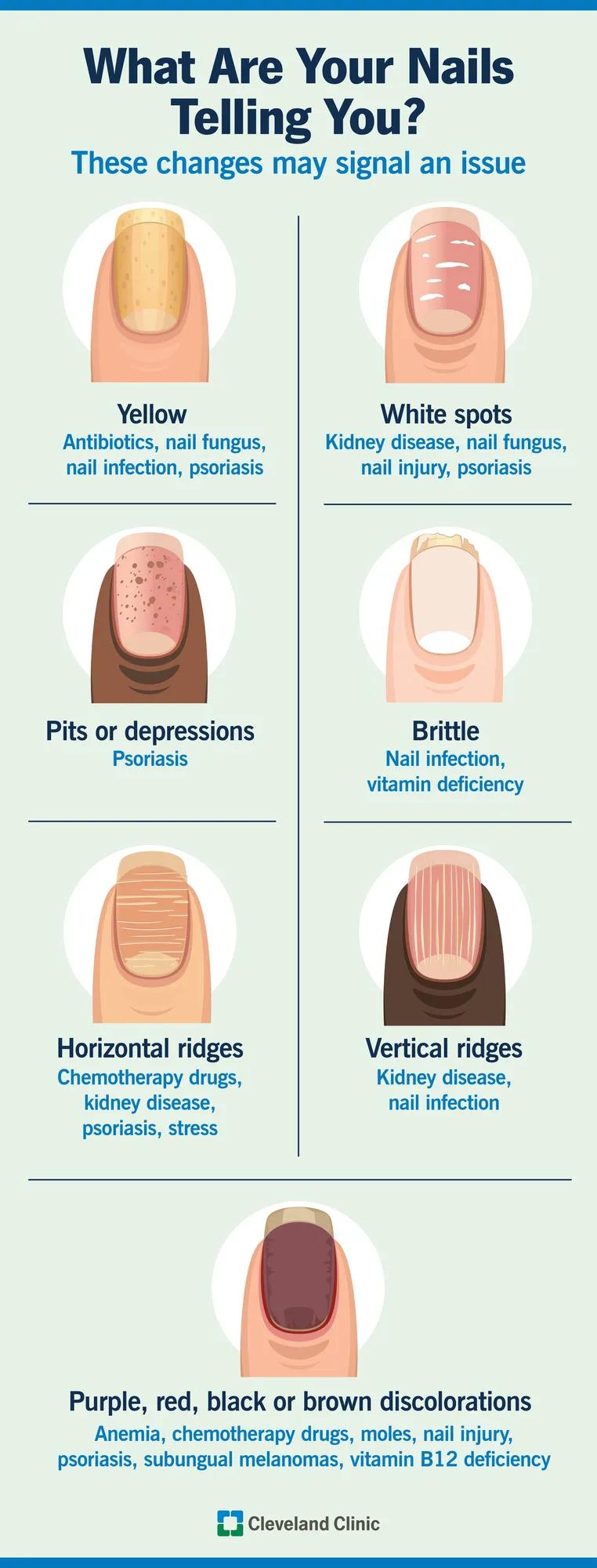
- Color: yellow, white, brown
- Nail becomes thick, crumbly, brittle
- Requires antifungal treatment (not vinegar or alcohol)
Many people try antifungal creams on green nails and see no improvement—because it’s not fungus.

BUY Product Here
Why Home Treatment Often Works
If the nail:
- Is not painful
- Has no swelling or pus
- Is limited to discoloration
Then home care is usually enough. The key is removing moisture, killing surface bacteria, and letting the nail grow out.
How to Treat Green Nails at Home (Quick Overview)
BUY Product Here
If you’re wondering how to treat green nails at home, the good news is that most mild cases respond well to simple, consistent care—no harsh products or panic required.
What You Can Safely Do at Home
Home treatment works best when the nail is not painful, swollen, or oozing. Safe steps include:
- Remove any gel, acrylics, or press-ons immediately
- Trim the nail short to reduce trapped moisture
- Keep the nail clean and dry throughout the day
- Use gentle antibacterial measures (not antifungal unless advised)
- Let the nail breathe—bare nails heal faster
In my case, stopping polish and letting air reach the nail made the biggest difference.
What You Should NOT Do
These mistakes can slow healing or make things worse:
- ❌ Do not cover the green nail with polish “to hide it”
- ❌ Don’t reapply gel or acrylic until the color is gone
- ❌ Avoid aggressive scraping or drilling
- ❌ Don’t assume it’s fungal and overload antifungal creams
Covering the nail traps moisture again—which is exactly what the bacteria want.
When Home Treatment Is Appropriate
Home care is usually enough if:
- The discoloration is mild to moderate
- There’s no pain or swelling
- The green color isn’t spreading rapidly
- You can keep the nail dry consistently
If symptoms worsen or don’t improve, that’s your cue to seek professional care.
How to Treat Green Nails at Home Naturally
BUY Product Here
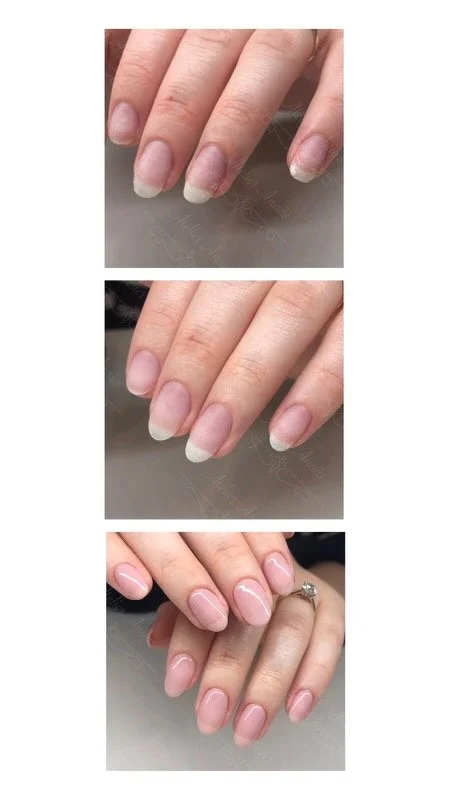
When it comes to how to treat green nails at home naturally, the most effective approach is surprisingly simple: remove moisture and stop interference.
Air Exposure and Nail Trimming
Bacteria responsible for green nails hate oxygen. That’s why:
- Trimming the nail short helps it dry faster
- Leaving the nail uncovered speeds up color fading
- Daily air exposure interrupts bacterial growth
I noticed visible improvement once I stopped “checking” the nail constantly and just let it stay dry and exposed.
BUY Product Here
Keeping Nails Dry and Polish-Free
This part takes patience—but it matters most.
- Dry nails thoroughly after handwashing
- Avoid gloves that trap moisture for long periods
- Skip polish, strengtheners, and oils temporarily
Even “breathable” polish can slow healing in the early stage.
Why “Less Is More” During Healing
It’s tempting to throw remedies at the problem, but over-treating can backfire.
- Too many products can irritate the nail bed
- Constant soaking can reintroduce moisture
- Simplicity allows the nail to recover naturally
For me, the turning point wasn’t a product—it was giving the nail space to heal.
How to Treat Green Nails at Home With Vinegar
BUY Product Here
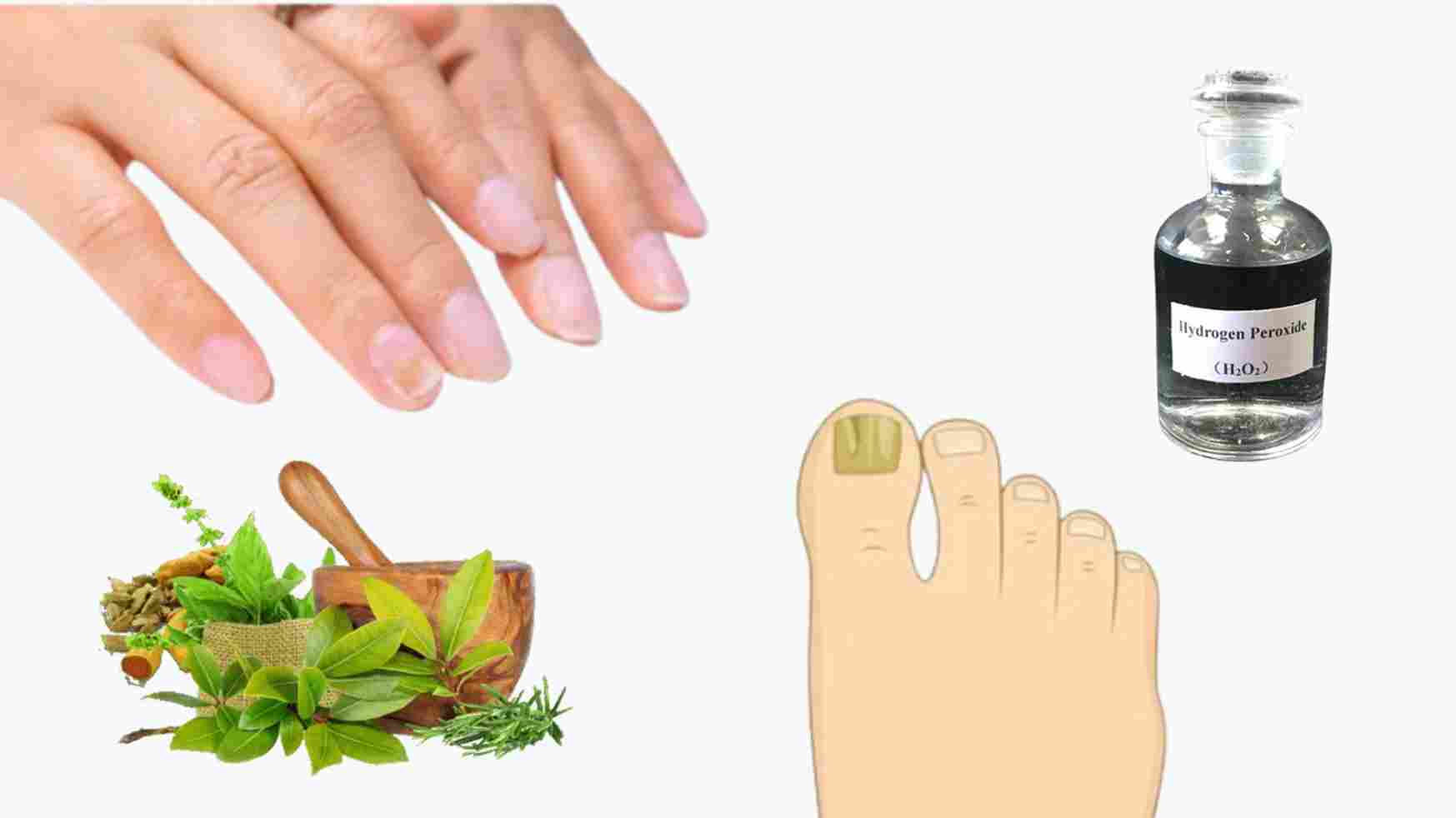
One of the most talked-about remedies for green nails is vinegar—and yes, it can help when used correctly. When I was researching how to treat green nails at home with vinegar, I found that it works best as a supportive treatment, not a miracle cure.
Vinegar Soak Method (Step-by-Step)
Vinegar creates an acidic environment that makes it harder for Pseudomonas bacteria to survive.
White Vinegar vs Apple Cider Vinegar
- White vinegar: Preferred option (clear, consistent acidity)
- Apple cider vinegar: Can be used, but less predictable and more irritating for some people
I personally used white vinegar for better control.
Dilution Ratios (Important)
Never use vinegar straight—it’s too harsh.
Safe dilution:
- 1 part white vinegar
- 4 parts water
Example:
¼ cup vinegar + 1 cup warm water
Frequency and Duration
- Soak once daily
- 5–10 minutes max
- Dry the nail completely afterward
I saw gradual lightening after about 7–10 days, not overnight.

BUY Product Here
Why Vinegar Works (And Its Limits)
Why it helps:
- Lowers pH, slowing bacterial growth
- Helps dry out trapped moisture
- Easy and inexpensive
Its limits:
- Does not instantly remove discoloration
- Won’t work if moisture continues (polish, acrylics)
- Won’t treat fungal infections
Vinegar supports healing—but nail growth does the real work over time.
Vinegar + Hydrogen Peroxide: Is It Safe?
BUY Product Here
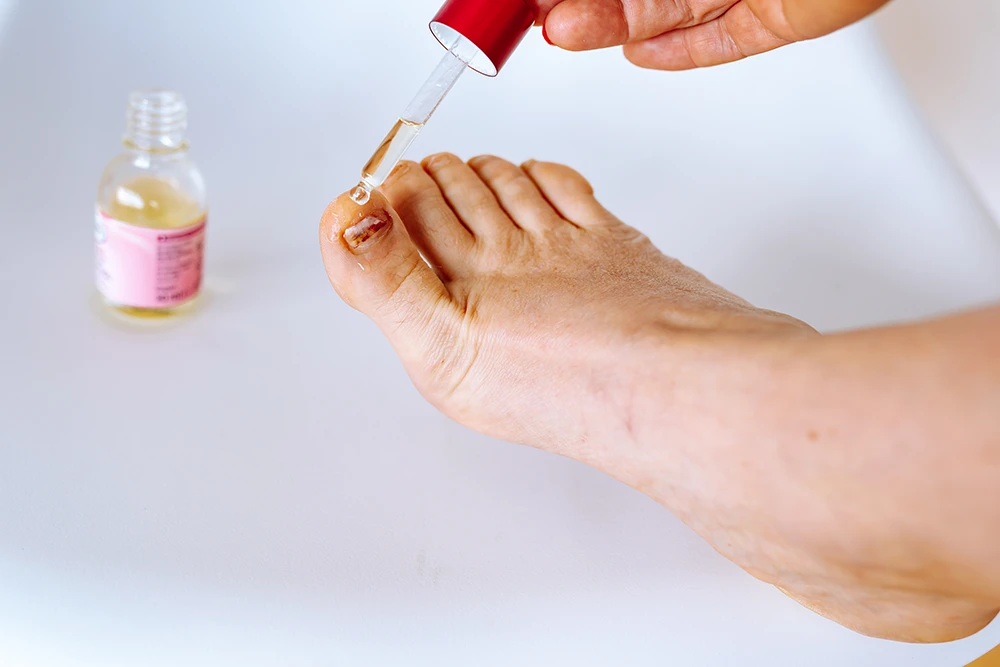
Many people search how to treat green nails at home vinegar hydrogen peroxide, but this combination needs caution.
Why Mixing Vinegar and Hydrogen Peroxide Is Controversial
When mixed together, vinegar and hydrogen peroxide can form peracetic acid, which:
- Is highly irritating
- Can damage skin and nail tissue
- Is unsafe for home use
This is why most professionals do not recommend mixing them.
Safe Alternatives to Using Both
If you want options without mixing:
- Use vinegar soaks alone (once daily)
- OR occasional diluted hydrogen peroxide wipe (not soak), on a different day
- Always dry the nail completely afterward
Never use both at the same time.
BUY Product Here
My Cautious Approach (What I Actually Did)
What worked best for me:
- Vinegar soaks once daily
- No polish, no coverings
- Keeping nails dry and trimmed
- Patience
I skipped hydrogen peroxide entirely to avoid irritation—and healing still happened.
What Experts Generally Recommend
- Keep treatment simple and gentle
- Avoid chemical mixing
- Stop home care and see a professional if:
- Pain develops
- Swelling or pus appears
- Color spreads or worsens
How to Treat Green Fingernails at Home
BUY Product Here
When the discoloration shows up on fingernails, it’s usually tied to artificial nails or trapped moisture from daily hand use. Here’s how to treat green fingernails at home based on what actually helped me.
Remove Artificial Nails Safely
The first (and most important) step is removing anything that traps moisture:
- Take off gel, acrylics, dip powder, or press-ons as soon as you notice green
- Avoid ripping or force-removing—this can damage the nail plate
- If needed, soak properly and be patient
Once the nail is bare, you’ve already cut off the bacteria’s favorite environment.

BUY Product Here
Avoid Gloves That Trap Moisture
Gloves are tricky. They protect—but they also trap humidity.
- Avoid wearing rubber or latex gloves for long periods
- If you must wear gloves, dry nails completely first
- Take glove breaks to let nails air out
I noticed my nail improved faster once I stopped keeping my hands covered for hours.

BUY Product Here
The Daily Care Routine I Followed
This simple routine made the biggest difference:
- Trim the nail short
- Keep it polish-free
- Dry thoroughly after washing hands
- Optional: one gentle vinegar soak per day
- Let the nail breathe
Consistency mattered more than products. Within a couple of weeks, the color stopped spreading and slowly faded as the nail grew.
How to Treat Green Toe Nails at Home
BUY Product Here
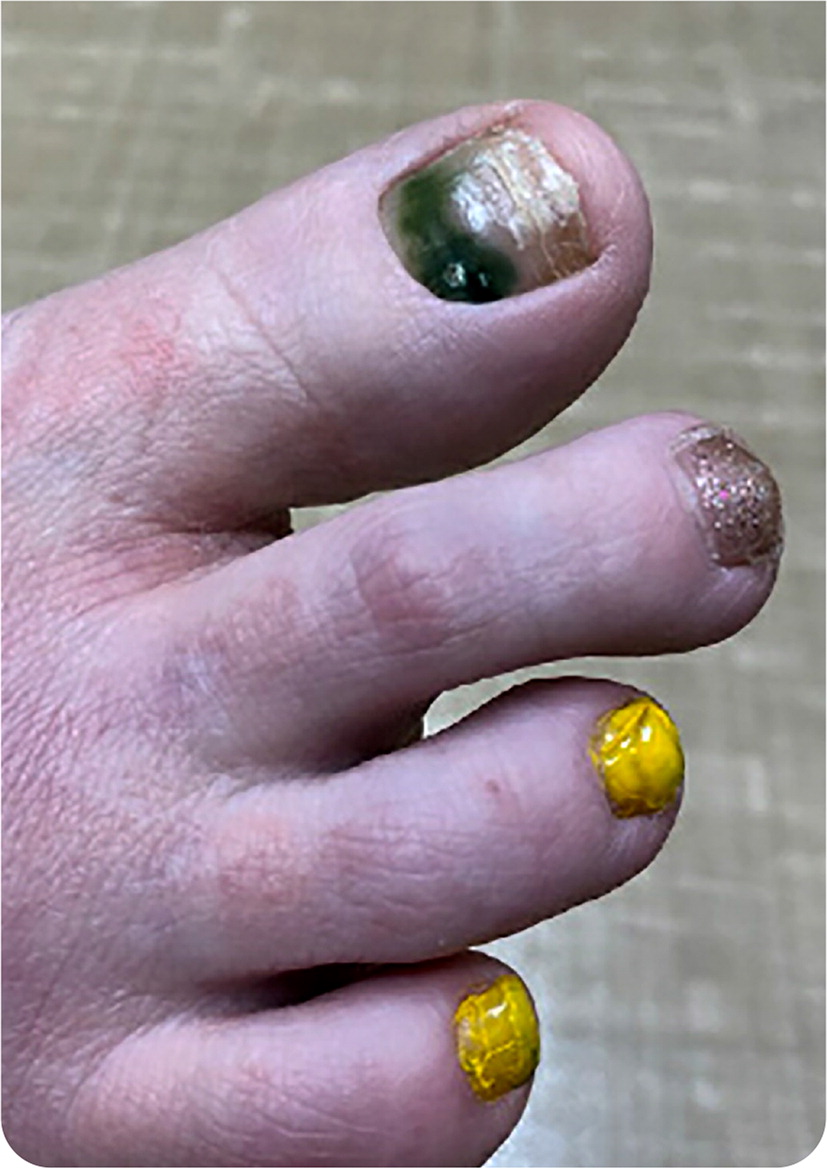
Treating toes is similar—but slower. If you’re wondering how to treat green toe nails at home, expect a longer timeline and focus heavily on moisture control.
Foot-Specific Moisture Issues
Feet are naturally warm and enclosed, which bacteria love.
- Sweat builds up quickly
- Shoes limit airflow
- Toenails grow more slowly
That combination makes green discoloration more stubborn on toes.

BUY Product Here
Sock and Shoe Hygiene (This Really Matters)
Small changes make a big difference:
- Change socks at least once daily
- Choose moisture-wicking socks
- Rotate shoes so they fully dry between wears
- Avoid tight, non-breathable footwear
If water keeps getting trapped, treatments won’t stick.

BUY Product Here
Why Toenails Take Longer to Heal
Toenails grow much slower than fingernails. Even if the bacteria are under control:
- Color may linger for weeks or months
- Improvement shows at the cuticle first
- Full clearing depends on nail growth
Patience is essential here—progress is gradual, not instant.
Green Nails vs Toenail Fungus – How to Tell the Difference
BUY Product Here
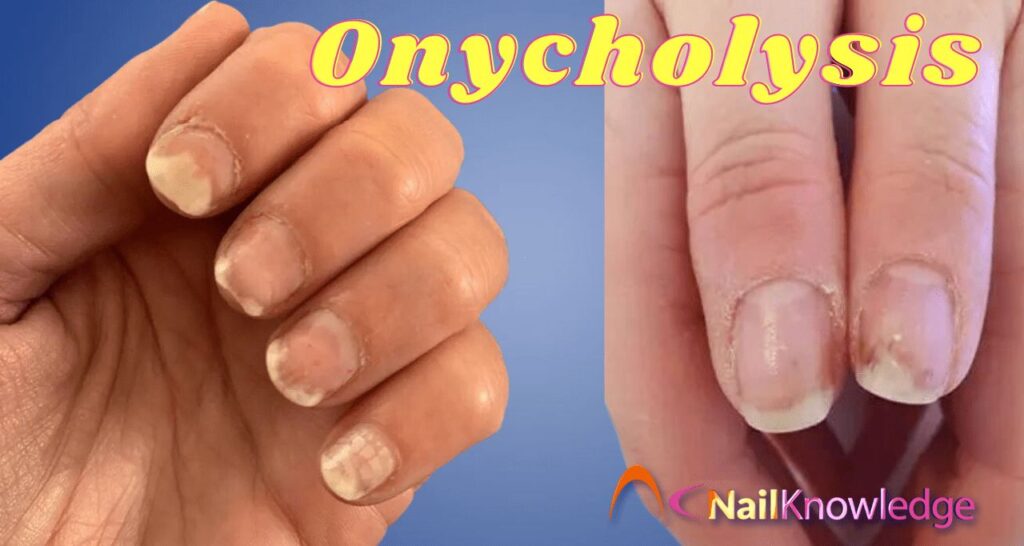
Many people search how to treat green nails at home for toenail fungus, but this is where confusion causes problems.
Color Differences
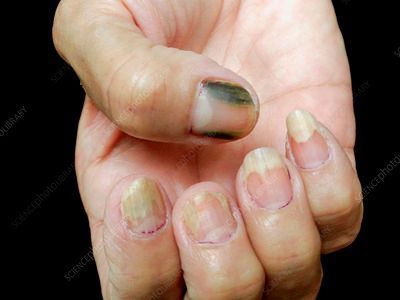
- Green nails (bacterial): green, yellow-green, teal, or dark green
- Fungal nails: yellow, white, brown, or cloudy
Green is the biggest clue—it usually points to bacteria, not fungus.
Texture and Smell Clues
- Green nails: nail thickness often normal; may have a mild musty smell
- Fungal nails: thick, crumbly, brittle, distorted
If the nail isn’t thickening or breaking down, fungus is less likely.

BUY Product Here
Why Antifungals Won’t Help Green Nails
Antifungal creams and polishes:
- Don’t kill Pseudomonas bacteria
- Often show no improvement with green nails
- Can delay proper treatment
That’s why many people struggle for months using the wrong products.
What Reddit and Online Forums Get Right (and Wrong)
BUY Product Here
If you search how to treat green nails at home reddit, you’ll find hundreds of personal stories—and while some advice is helpful, some can make things worse.
Common Advice Seen Online
What people often recommend:
- Vinegar soaks
- Letting the nail breathe
- Removing acrylics or gel
- Using hydrogen peroxide or alcohol
You’ll also see extreme suggestions like scraping the nail aggressively or layering multiple chemicals at once.
What’s Actually Helpful
Reddit gets a few key things right:
- Removing artificial nails immediately
- Keeping the nail dry and uncovered
- Understanding it’s usually bacterial, not fungal
These align with what worked for me and what medical guidance generally supports.
What’s Harmful or Risky
Where online advice goes wrong:
- Mixing vinegar and hydrogen peroxide
- Using undiluted chemicals
- Re-covering the nail “once it looks better”
- Treating it like fungus without signs
These fixes may work for one person but irritate or worsen the condition for others.
BUY Product Here
Why Anecdotal Fixes Need Caution
What worked for someone on Reddit:
- May depend on nail length, health, or severity
- Might ignore early warning signs
- Often lacks follow-up on long-term outcomes
Online stories are useful for reassurance—but they shouldn’t replace safe, evidence-based care.
How the NHS and Medical Guidelines View Home Treatment
BUY Product Here
When people search how to treat green nails at home nhs, they’re usually looking for reassurance—and clear limits.
General Medical Stance on Green Nail Syndrome
Medical guidelines generally recognize green nail syndrome as:
- A bacterial condition, often linked to moisture
- Usually non-dangerous in mild cases
- Often managed by removing triggers and keeping nails dry
Home care is commonly accepted when symptoms are mild.
When Home Care Is Acceptable
Doctors generally consider home treatment reasonable if:
- There’s no pain, swelling, or discharge
- The nail isn’t lifting severely
- The color isn’t spreading rapidly
- The person can keep the nail dry
Simple measures like removing enhancements and improving hygiene are often enough.
BUY Product Here
When Professional Treatment Is Recommended
Medical care is advised if:
- Pain, redness, swelling, or pus appears
- The nail starts separating significantly
- The color worsens or doesn’t improve after weeks
- You have diabetes, circulation issues, or immune concerns
At that point, prescription treatments or cultures may be needed.
Common Mistakes That Make Green Nails Worse
BUY Product Here
These mistakes are surprisingly common—and easy to avoid once you know them.
Covering With Polish
This was my biggest early mistake. Covering the nail:
- Traps moisture
- Feeds bacteria
- Makes the color look “gone” while it worsens underneath
Clear polish doesn’t fix the problem—it hides it.
Keeping Nails Wet
Frequent soaking, long showers, or damp gloves slow healing. Even well-meaning treatments can backfire if nails never fully dry.
BUY Product Here
Ignoring Signs of Infection
Green nails shouldn’t hurt. If they do, that’s a red flag.
- Pain
- Swelling
- Warmth
- Discharge
These mean it’s time to stop home care and seek help.
My Personal Lesson Learned
What finally worked wasn’t a product—it was restraint. Once I stopped covering, over-treating, and reintroducing moisture, healing began. Sometimes the smartest treatment is simply getting out of the way.
When Home Treatment Is Not Enough
Home care works for many mild cases—but it has limits. Knowing when to stop DIY treatment is just as important as knowing how to start.
Signs You Need to See a Doctor
Seek medical care if you notice:
- Pain or tenderness in or around the nail
- Redness, warmth, swelling, or throbbing
- Pus or discharge
- Rapidly spreading discoloration (especially darkening or black areas)
- No improvement after 2–3 weeks of careful home care
Green nail syndrome should not hurt. Pain is a red flag.
Why These Symptoms Matter
These signs can indicate:
- A deeper bacterial infection
- Secondary infection under the nail plate
- Nail separation that needs professional treatment
At this point, doctors may:
- Culture the nail to identify bacteria
- Prescribe topical or oral antibiotics
- Safely debride (clean) the affected area

BUY Product Here
Immunocompromised Considerations
If you have diabetes, circulation issues, or a weakened immune system, don’t wait. Even mild nail infections can escalate faster. Early medical care is the safest choice.
FAQs – How to Treat Green Nails at Home
How do you get rid of green nails at home?
Remove any gel or acrylics, keep the nail dry and uncovered, trim it short, and allow airflow. Gentle vinegar soaks can help. Improvement comes as the nail grows out.
Does vinegar really work for green nails?
Yes—when diluted and used gently. Vinegar lowers pH, which discourages bacterial growth. It’s supportive, not instant, and works best alongside dryness and air exposure.
Are green nails fungus or bacteria?
Most green nails are bacterial, commonly linked to Pseudomonas. Fungal infections usually look yellow, white, or brown and cause thickening.
Can hydrogen peroxide treat green nails?
It’s not usually recommended for regular use. It can irritate tissue and won’t address moisture—the main cause. Avoid mixing it with vinegar.
How long does it take for green nails to clear up?
Fingernails may show improvement in 1–3 weeks; full clearing depends on nail growth. Toenails take much longer—often several months.
Should I remove gel or acrylic nails if I have green nails?
Yes. Keeping enhancements traps moisture and feeds bacteria. Removal is essential for healing.
Is green nail syndrome serious?
Usually no if mild and painless. It becomes serious if there’s pain, swelling, spreading color, or no improvement—then medical care is needed.
conclusion
Green nails look alarming, but most mild cases heal well with simple, consistent care. The fundamentals matter most:
- Remove anything that traps moisture
- Keep nails dry, short, and uncovered
- Be gentle—avoid over-treating
- Give the nail time to grow out
Patience is part of the treatment. Improvement happens gradually, not overnight. And if warning signs appear, getting medical help is the smart, responsible next step.
With good hygiene and awareness, green nails are usually a temporary setback—not a permanent problem.
Amazon and the Amazon logo are trademarks of Amazon.com, Inc, or its affiliates.
Author


Similar Posts