How To Fix A Broken Nail: Fast At-Home Repair Tips
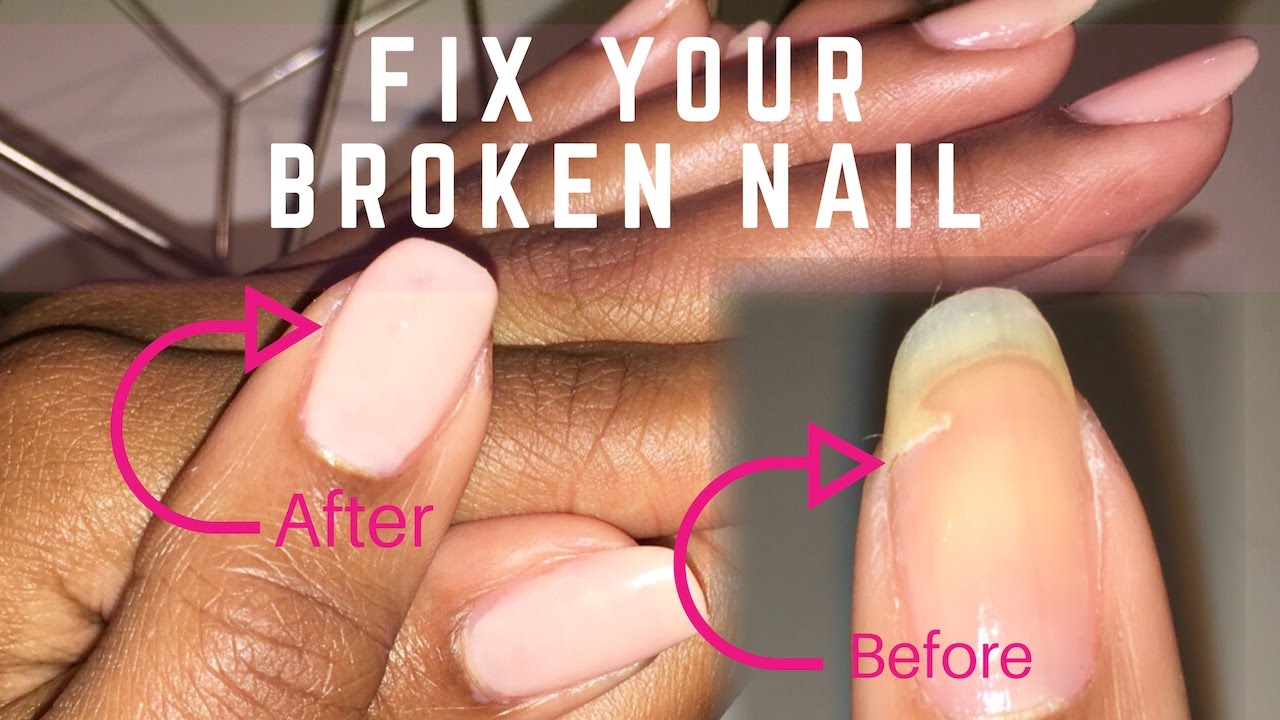
Clean, trim, patch with silk or a teabag, then seal with glue or gel.
If you want a simple, safe plan for How To Fix A Broken Nail, you’re in the right place. I’ve repaired thousands of breaks in the salon and at home. This guide gives you fast first aid, proven at-home fixes, pro insights, and easy tips that prevent the next snap. Keep reading, because a clean, careful repair can save length, avoid pain, and keep your manicure looking fresh.

Understand What Broke And Why
Before you learn How To Fix A Broken Nail, you need to spot the type of break. Each type needs a slightly different fix and level of care. A tiny surface crack is not the same as a deep tear near the nail bed.
Common types of breaks:
- Corner chip. A small piece snaps off the edge.
- Surface crack. A thin white line runs across the nail plate.
- Split. The nail separates into layers or down the middle.
- Tear near the sidewall. The break catches on hair or fabric.
- Partial avulsion. The nail lifts from the nail bed after a hit.
- Dryness from acetone, weather, or frequent hand washing.
- Aggressive filing or very long shapes without support.
- Using nails as tools to open or scrape things.
- Nutrient gaps, illness, or certain meds that weaken keratin.
- Old enhancements (gel, acrylic) that need a fill.
If a break bleeds, throbs, or exposes skin, pause. Do first aid and decide if you need a pro. How To Fix A Broken Nail works best when the area is clean and calm, not painful or inflamed.

Source: reddit.com
Immediate First Aid For A Broken Nail
The first step in How To Fix A Broken Nail is to make it safe and clean. This stops more tearing and cuts the risk of infection.
Do this right away:
- Wash hands with soap and cool water. Pat dry.
- If it bleeds, press with a clean gauze for a few minutes.
- Disinfect the area with isopropyl alcohol or saline.
- Trim only the hanging, jagged part with small nail scissors.
- Smooth the sharp edge with a fine file in one direction.
- Add a temporary patch. A small piece of tape or a fabric strip can hold it until you repair it.
Red flags that need pro care:
- Deep pain, heavy bleeding, or a nail almost torn off.
- Pus, warmth, or red streaks around the nail fold.
- A large dark blood spot under the nail that throbs.
People-also-ask quick answers:
- Can I pull off a torn piece? No. Trim only what is loose and safe. Pulling can tear live tissue.
- Should I numb it with ice? Yes. A cold pack helps with pain and swelling for short periods.
This calm start sets you up for a smooth repair. It also keeps your tools and products from trapping dirt under a patch.

Source: youtube.com
The Best At-Home Methods: How To Fix A Broken Nail Step-By-Step
In the salon, I match the method to the break. You can do the same at home. Each option below shows when to use it and how to get a clean, lasting result.
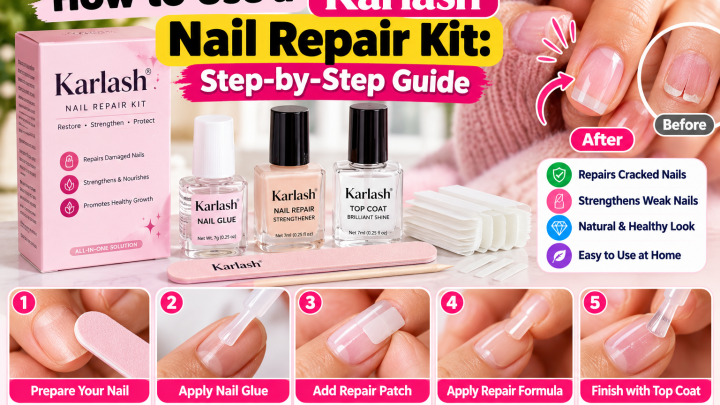
Method 1: Teabag Or Silk Wrap Patch
Best for: Small cracks, side tears, and splits that you want to keep growing out.
You will need:
- Nail glue or clear builder gel
- Teabag paper or real silk wrap
- Fine file and buffer
- Alcohol wipe and top coat
Steps:
- Clean and dry the nail. Lightly buff the shine.
- Cut a small patch from the teabag or silk. It should cover the crack with 1–2 mm extra.
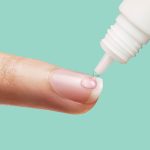
- Brush a thin layer of nail glue where the crack is.
- Place the patch on the wet glue. Press gently with tweezers.
- Add another thin layer of glue over the patch.
- Let it dry. Lightly buff to smooth. Do not over-buff.
- Seal with a base coat and top coat or gel polish.
Tips from experience:
- Silk looks smoother than teabag paper and flexes better.
- If the patch lifts at the edge, your nail was still oily. Wipe with alcohol first.
Method 2: Quick Nail-Glue Fix
Best for: Clean cracks without missing chunks; short-term fix when you are busy.
You will need:
- Fresh nail glue with a fine tip
- Buffer and top coat
Steps:
- Clean, dry, and lightly buff the area.
- Add a tiny drop of glue into the crack.
- Hold the edges together for 30–45 seconds.
- Seal with top coat.
Note:
- Keep glue off your skin. Skin contact can cause irritation.
- This is a stopgap. Add a wrap if you want it to last.
Method 3: Builder Gel Overlay
Best for: Medium cracks that need strength and a smooth finish.
You will need:
- Dehydrator and primer (optional but helps)
- Builder gel in a bottle
- UV/LED lamp, file, buffer, top coat
Steps:
- Prep the nail: clean, dehydrate, and light buff.
- Apply a thin slip layer of builder gel. Do not cure.
- Float a small bead over the crack to add structure. Cure.
- Refine shape with a file if needed. Apply top coat and cure.
Pro insight:
- Keep product thin near the cuticle to avoid lifting.
- Capping the free edge with gel helps prevent future chips.
Method 4: Dip Powder Patch
Best for: Corner chips or missing small sections.
You will need:
- Dip base, clear or natural dip powder
- Activator, buffer, and top coat
Steps:
- Brush base only on the damaged area.
- Dip or pour powder over the spot. Tap off excess.
- Repeat once for strength. Apply activator. Shape and buff.
- Top coat to seal.
Method 5: When The Nail Is Torn Deep
Best for: A tear near the skin that hurts.
Do this:
- Trim only the free edge to remove leverage.
- Add a small breathable bandage if it’s tender.
- Avoid glue on exposed skin. Let it settle for 24–48 hours.
- Switch to a silk wrap or builder gel once pain drops.
From the chair:
I teach clients How To Fix A Broken Nail by staying patient. Rushing leads to glue blobs, rough patches, and more breaks later. Take your time with prep. Thin, even layers win every time.
How To Fix A Broken Nail works best when you match the method to the damage. For many small tears, a silk wrap under gel polish gives a clean, natural look that lasts until the nail grows out.

Source: amazon.com
When To See A Pro Or A Doctor
There are times when How To Fix A Broken Nail at home is not safe. Know these signs and save yourself a longer recovery.
See a nail tech:
- You want to keep length after a complex split.
- Your enhancement (acrylic/gel) is cracked across the stress area.
- You need a rebalance or a full soak-off.
See a healthcare pro:
- Blood covers more than a quarter of the nail and throbs.
- The nail is half torn off or fully avulsed.
- You see pus, swelling, heat, or red streaks.
- You have diabetes, poor circulation, or immune issues.
Medical guidance shows that early care lowers infection risk and pain. Quick help also improves how the nail grows back.

Source: youtube.com
Prevent The Next Break: Daily Habits That Work
The best way to learn How To Fix A Broken Nail is also to stop new breaks. Small habits build strong nails that bend instead of snap.
Do this daily:
- Apply cuticle oil morning and night. Look for jojoba or squalane.
- Wear gloves for dishes, cleaning, and yard work.
- File in one direction with a fine grit. Round sharp corners.
- Keep nails at a practical length for your hands and job.
- Hydrate, eat protein, and include iron and zinc-rich foods.
Smart product tips:
- Use a ridge-filling base to support thin nails.
- Seal the free edge with top coat every few days.
- Take breaks from harsh removers. Moisturize after acetone.
What evidence says:

Similar Posts



















[…] This happens when the upper blade shifts out of alignment with the lower jaw. Ragged cuts can lead to splits and tears. If you damage your nail trying to fix a bad clipper, you might need resources on addressing a damaged nail tip. […]
[…] grabbing or jerking, and you’ve noticed a sore spot or split on a client’s finger, a proper nail-repair routine beats waiting for the damage to show up next […]