How to Do Acrylic Nails Without Tips: Beginner-Friendly Guide
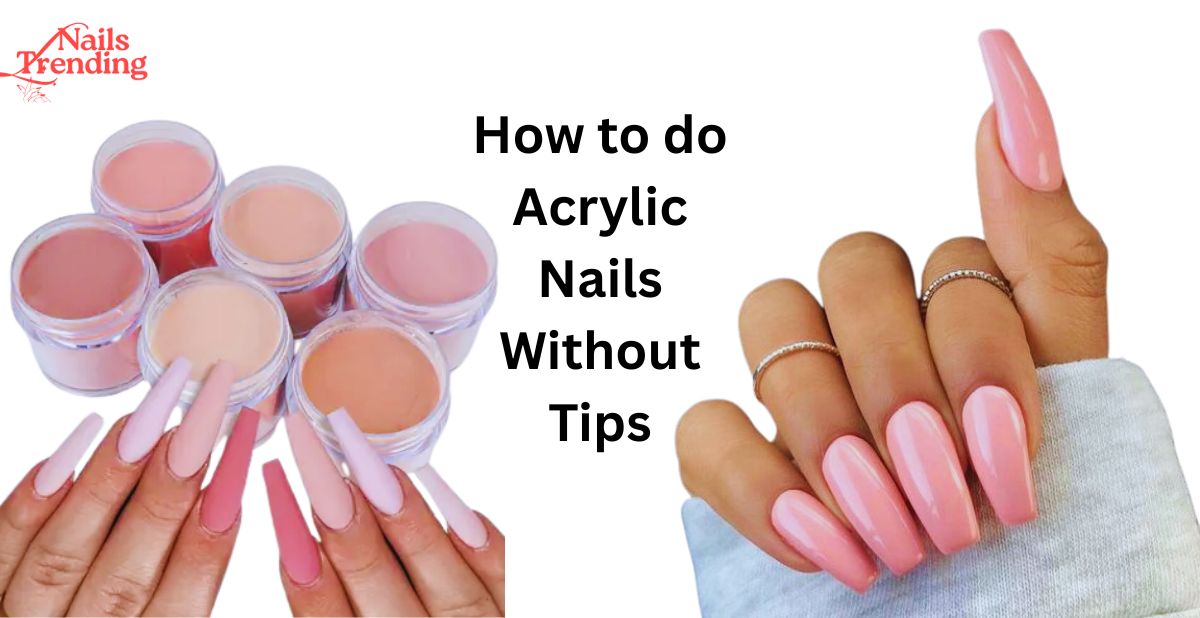
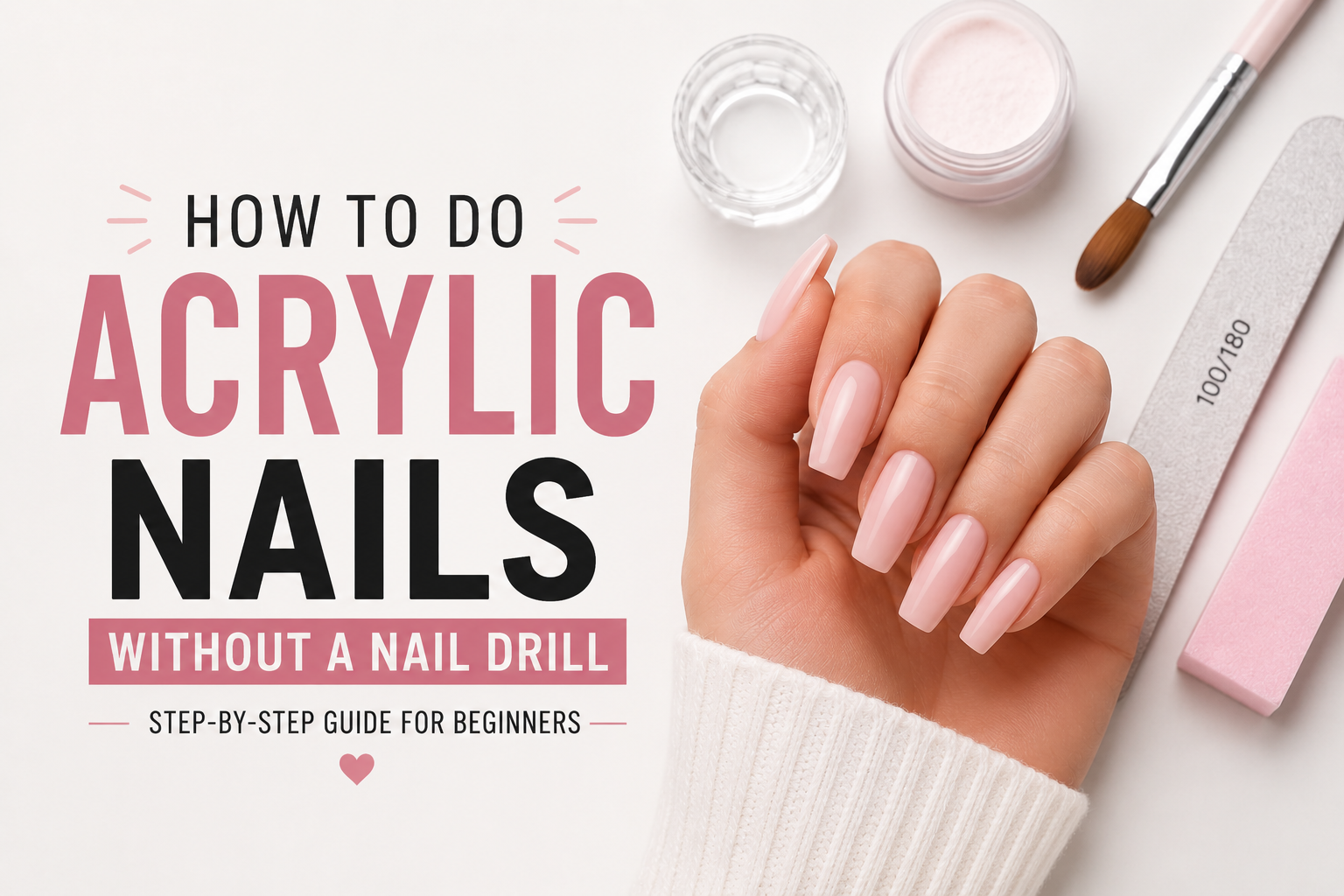
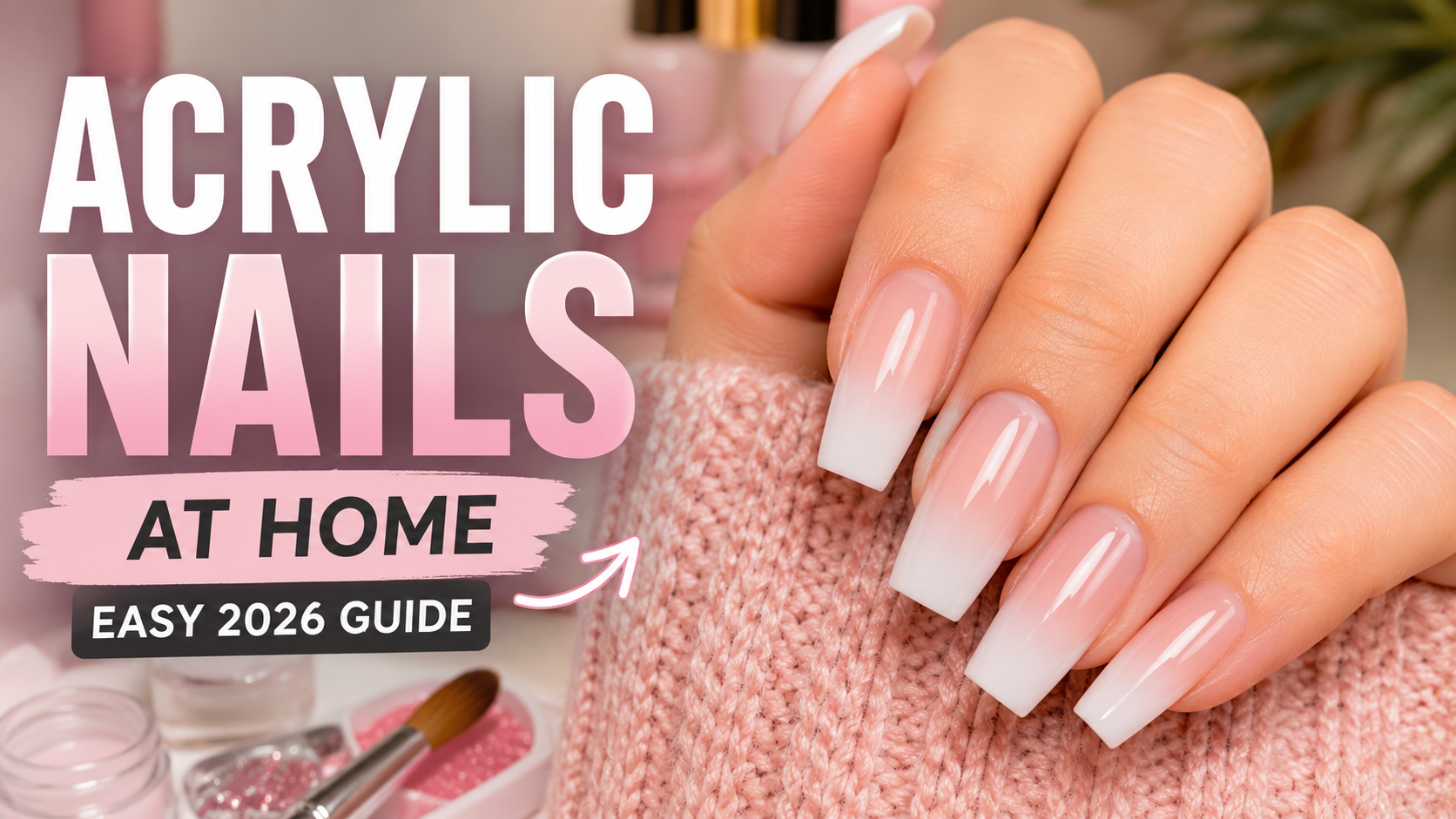
Acrylic nails are not just about length—they can also be used to strengthen and beautify your natural nails. If you’ve ever wondered how to do acrylic nails without tips, you’re essentially learning the art of creating an acrylic overlay. This method doesn’t involve adding artificial extensions. Instead, it focuses on coating your natural nails with acrylic for a clean, polished, and long-lasting finish.
In this guide, I’ll show you how to do acrylic nails without tips—even if you’re a complete beginner. We’ll cover everything from prepping your nails, applying acrylic safely, and achieving a salon-quality look at home. Whether you want to save money, keep your nails looking natural, or simply explore a new beauty skill, this step-by-step tutorial will walk you through the process with ease.
By the end, you’ll understand not only how to apply acrylic overlays but also the common mistakes to avoid and the best aftercare tips for strong, healthy nails.
What Are Acrylic Nails Without Tips Called?
When you hear people talk about acrylic nails without tips, they’re usually referring to an acrylic overlay. Unlike extensions, overlays don’t involve adding any length. Instead, the acrylic mixture (a blend of liquid monomer and acrylic powder) is applied directly over your natural nails. Once shaped and cured, overlays create a smooth, durable surface that looks polished and elegant.
Acrylic Overlay vs. Acrylic Extensions
- Acrylic Overlay (No Tips): Applied directly to the natural nail without adding artificial tips. Ideal if you want to keep your nails short, natural-looking, and strong.
- Acrylic Extensions (With Tips): Artificial nail tips are glued on before applying acrylic. This method is perfect if you want dramatic length or a bold nail design.
When Overlays Are the Better Choice
- For Short Nails: If your nails are naturally short or fragile, overlays add strength without forcing them to grow long.
- For a Natural Look: Overlays enhance what you already have, giving you a sleek, polished appearance without the “fake nail” vibe.
- For Added Strength: If your nails tend to peel or break easily, acrylic overlays act like a protective shield, making them more durable in everyday tasks.
In short, overlays are perfect if you want healthier-looking natural nails with extra strength and shine, while extensions are better for those who want instant length and drama
Benefits of Doing Acrylic on Natural Nails Without Tips
Choosing to apply acrylic on natural nails without tips—better known as an overlay—comes with several unique benefits. Whether you’re a beginner testing the waters or someone looking for a healthier alternative to extensions, overlays can be a game-changer.
Strengthens Weak or Brittle Nails
If your natural nails are prone to peeling or breaking, overlays act like a protective barrier. The acrylic layer adds durability, so your nails can handle everyday activities like typing, cooking, or cleaning without chipping as easily.
More Natural Appearance
While extensions can sometimes look dramatic, overlays keep things subtle. They enhance the beauty of your real nails without making them look overly artificial. Many people love this because it strikes the perfect balance between polished and natural.
Easier Maintenance
Compared to long acrylic tips, overlays are much easier to manage. There’s no risk of snapping off a tip, and they don’t interfere with daily tasks. Plus, fill-ins are simpler since you’re working with your natural length.
4. Beginner-Friendly
Learning how to sculpt acrylics or apply tips takes time and practice. Overlays are more forgiving, making them a great starting point for beginners. You can master the basics of applying and shaping acrylic without worrying about the added challenge of tip application.
5. My Personal Experience
When I first started experimenting with acrylic nails, I went straight for extensions—and let’s just say it was a struggle. They looked nice, but I kept breaking them and felt frustrated. That’s when I switched to overlays. Not only did my nails feel stronger, but the process was easier and less intimidating. Overlays gave me confidence to practice without the pressure of creating perfect long nails.

What You Need to Get Started (Beginner-Friendly Kit)
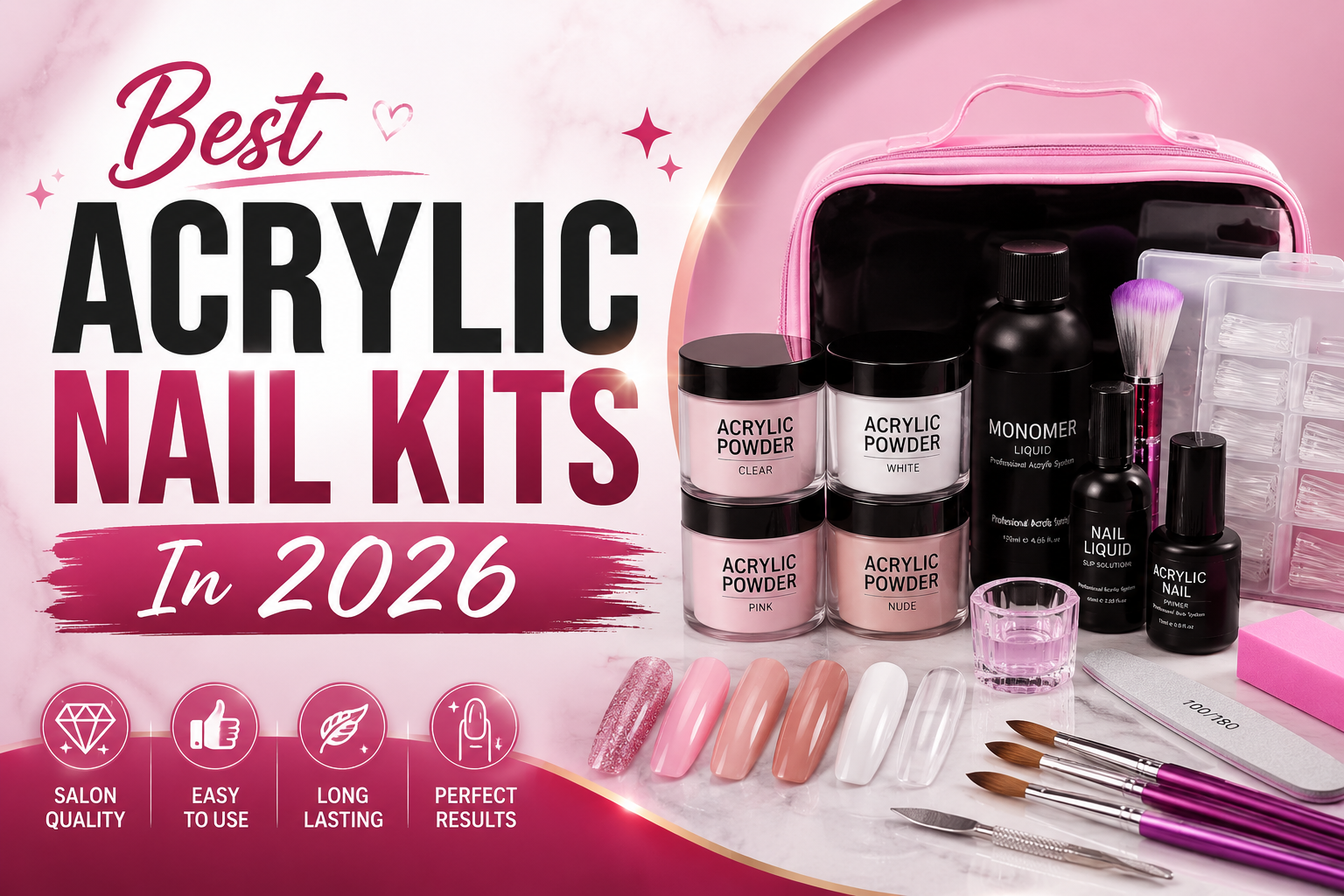
Before learning how to do acrylic nails without tips, you’ll want to gather the right tools. Having a beginner-friendly kit makes the process smoother and prevents mistakes that could damage your natural nails. Here’s a breakdown of the essentials:
Acrylic Powder & Liquid Monomer
These two are the stars of the show. When mixed, they form the acrylic bead you’ll apply to your natural nail. For beginners, choose a slow-setting monomer—it gives you more time to shape the product before it hardens.
Nail Prep Tools
- Nail File & Buffer: Used to shape your nails and gently roughen the surface for better acrylic adhesion.
- Cuticle Pusher: Essential for pushing back cuticles to create a clean base. Neglecting this step can cause lifting later.
Acrylic Brush & Dappen Dish
- Acrylic Brush: A medium-sized Kolinsky brush (size 8–10) works best for beginners. It gives control without being too bulky.
- Dappen Dish: A small glass dish for holding your monomer. It keeps things neat and prevents contamination.
Top Coat & Nail Prep Products
- Dehydrator: Removes natural oils from your nails so the acrylic adheres better.
- Primer: Helps prevent lifting and extends the life of your overlay.
- Top Coat: Seals your work, adds shine, and protects your nails from scratches.
Optional Tools for Finishing
- Electric Drill (E-File): Speeds up shaping and smoothing, but it requires practice to avoid damaging your nails.
- Manual File: A safer option for beginners. While it takes a little more time, it gives you more control.
Pro Tip: If you’re just starting, consider buying a beginner’s acrylic nail kit—many come with powder, liquid, brushes, and prep tools bundled together, making it cost-effective and beginner-friendly.
Step-by-Step: How to Do Acrylic Nails Without Tips
Doing acrylic nails without tips (an overlay) may sound intimidating, but once you break it down into steps, the process becomes manageable—even for beginners. Here’s a simple, foolproof guide:
Prep the Natural Nails
- Remove old polish: Start with a clean canvas by taking off any existing polish.
- Push back cuticles: Use a cuticle pusher to gently push back excess skin around the nail bed. This creates more surface area for the acrylic to adhere.
- Buff the nail surface: Lightly buff the top layer of your natural nail. This removes shine and helps the acrylic grip better.
- Why this matters: Clean, dry, and properly prepped nails prevent lifting, cracking, and premature peeling.
Apply Dehydrator and Primer
- Dehydrator: Wipe nails with a dehydrator to remove natural oils and moisture.
- Primer: Apply a thin coat of primer to each nail. This step creates a sticky base that bonds with the acrylic.
- Personal Tip: I never skip primer—it’s the secret to overlays that last weeks without lifting or chipping.
Apply Acrylic Overlay
- Dip & Pick Up Bead: Dip your brush into the monomer, then touch it to the acrylic powder to form a bead.
- Place on Nail: Gently place the bead near your cuticle (but not on the skin).
- Pat & Smooth: Use the belly of your brush to pat and glide the product evenly across the nail surface.
- Build Structure: Keep the acrylic thinner at the cuticle, thicker at the stress point (middle of the nail), and tapered at the free edge. This balance prevents breakage.
File and Shape
- Smooth edges: Once the acrylic has hardened, use a file to smooth out rough areas.
- Shape nails: Choose your style—square, oval, almond, or coffin. Overlays look natural, but shaping gives them personality.
- Beginner tip: Work gently; aggressive filing can thin out your overlay and weaken it.
Seal with Top Coat
- Top coat: Apply a high-quality top coat to lock everything in, add shine, and extend wear.
- Optional creativity: You can stop at a glossy natural look or add nail art, rhinestones, or even gel polish for a customized finish.
And that’s it—you’ve just created strong, natural-looking acrylic nails without tips! With practice, the process becomes faster and more polished.

Common Mistakes Beginners Make (and How to Avoid Them)
When you’re first learning how to do acrylic nails without tips, mistakes are inevitable—but they’re also part of the learning curve. Here are the most common slip-ups beginners face and how to fix them before they ruin your set:
Using Beads That Are Too Wet or Too Dry
- The problem: If your bead is too wet, the acrylic floods the cuticle and runs all over the nail. If it’s too dry, it crumbles and won’t stick properly.
- The fix: Aim for a medium-consistency bead—smooth, pliable, and easy to pat down. This comes with practice, so don’t rush the process.
Applying Acrylic Too Close to the Cuticle
- The problem: If acrylic touches the skin or sits on the cuticle, it lifts within days.
- The fix: Leave a tiny margin (about a hairline’s width) between the acrylic and your cuticle. This creates a professional, salon-worthy look and ensures longevity.
Skipping Primer → Lifting Issues
- The problem: Beginners sometimes forget primer or apply it unevenly. Without it, acrylic doesn’t bond properly and starts peeling off within a week.
- The fix: Always use primer after dehydrator, and apply it sparingly—just enough to cover the entire nail surface.
My First Acrylic Attempt (Personal Story)
I still remember my first attempt at doing an acrylic overlay. I was so eager that I skipped primer and loaded my brush with a bead that was way too wet. Within two days, my overlays were lifting, and by the end of the week, they popped off completely. It was frustrating—but also eye-opening. That experience taught me that patience, correct ratios, and proper prep are everything when it comes to acrylic nails. Now, I never skip a step, and my overlays last three weeks or more.
Takeaway: Mistakes are part of learning, but if you pay attention to bead consistency, cuticle spacing, and nail prep, you’ll save yourself time and frustration.
Acrylic Overlay vs. Acrylic Extensions with Tips
When learning how to do acrylic nails without tips, it helps to understand how overlays compare to traditional acrylic extensions with tips. Both have their place in nail care, but they serve different needs.
Comparison Chart
| Feature | Acrylic Overlay (No Tips) | Acrylic Extensions with Tips |
|---|---|---|
| Durability | Strong, reinforces natural nail; lasts 2–3 weeks | Longer length but more prone to breakage if not maintained |
| Cost | Usually less expensive (less product + time) | Higher cost due to added length and shaping |
| Look | Natural, subtle finish; enhances your own nails | Dramatic, customizable length and shape |
| Skill Level | Beginner-friendly | Requires more practice to shape and balance |
| Maintenance | Easier to maintain; simple fills | Requires regular salon visits or advanced DIY skills |
Which Option Is Better for Beginners?
For beginners, acrylic overlays are the clear winner. They’re easier to apply, require fewer steps, and give you a chance to practice bead control without worrying about tip placement. Plus, overlays strengthen your natural nails instead of extending them, which means fewer chances of painful breaks.
If you’re comfortable with overlays and want to experiment with length and advanced shapes (like coffin, stiletto, or ballerina), then transitioning to acrylic extensions with tips can be your next step. But if you’re just starting out, overlays are the best way to build confidence and technique.

FAQs About How to Do Acrylic Nails Without Tips
How to do acrylic nails without tips?
To do acrylic nails without tips, start by prepping your natural nails—remove old polish, push back cuticles, and buff the surface. Apply dehydrator and primer to prevent lifting. Then, use an acrylic brush dipped in monomer to pick up small acrylic beads and apply them directly onto the natural nail. Smooth the product evenly, file to shape, and seal with a top coat. This technique is called an acrylic overlay.
Can you put acrylic directly on natural nails?
Yes, you can. Applying acrylic directly on your natural nails is known as an overlay. Instead of adding length with tips, overlays reinforce your existing nails, making them stronger and less prone to breakage while keeping a natural look.
What are acrylic nails without tips called?
Acrylic nails without tips are called acrylic overlays. This method involves applying acrylic powder and liquid over the natural nail for strength, durability, and a polished look—without adding extra length.
Is acrylic overlay good for weak nails?
Absolutely. Acrylic overlays are great for people with weak or brittle nails. The acrylic acts as a protective barrier, preventing splits and breaks while allowing your natural nails to grow out stronger underneath.
How long do acrylic nails without tips last?
On average, acrylic overlays last 2 to 3 weeks before needing a fill. With proper care—like moisturizing cuticles, avoiding harsh chemicals, and wearing gloves during chores—they can last even longer without lifting or breaking.
Is acrylic overlay beginner-friendly?
Yes, overlays are often recommended for beginners. They are easier to apply than extensions with tips since you’re working directly on the natural nail. This makes them a great way to practice bead control, filing, and shaping before moving on to more advanced acrylic techniques.
Conclusion
Learning how to do acrylic nails without tips—also known as acrylic overlays—is a simple yet effective way to strengthen and beautify your natural nails. Overlays offer a natural, polished look without the extra length of traditional acrylic tips, making them beginner-friendly and easier to maintain.
Personally, I still prefer overlays over extensions because they enhance my nails’ natural shape while giving them extra strength. They’re perfect for everyday wear, whether you want a subtle, professional appearance or a clean canvas for nail art.
Now it’s your turn! Whether you try overlays at home using a beginner-friendly kit or book a session at a salon, you’ll enjoy healthier, stronger nails with a natural, polished finish. Start small, practice consistently, and watch your nails transform with this versatile technique.
Amazon and the Amazon logo are trademarks of Amazon.com, Inc, or its affiliates.
Author


Similar Posts