How to Do Nail Art Designs for Beginners at Home
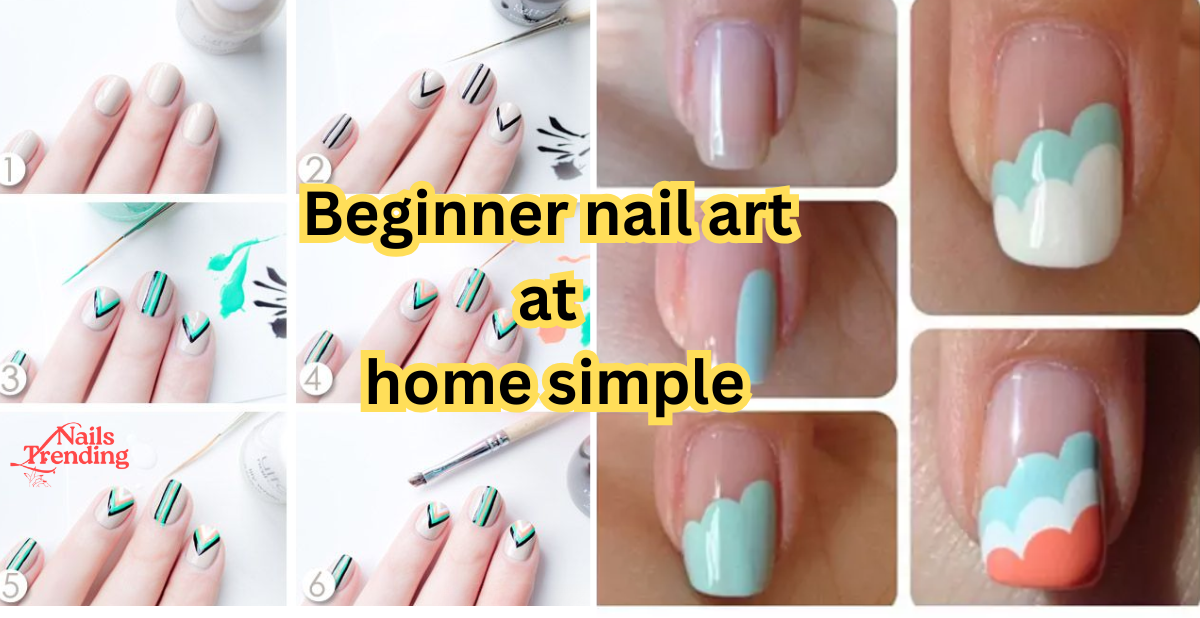
If you’ve ever wondered how to do nail art designs for beginners at home, you’re not alone. Picture this: you’re scrolling through Instagram, admiring all those stunning manicures, but then you remember the price tag at your local salon. Suddenly, a simple polish feels like a luxury. That’s why more and more people are turning to DIY nail art—not just to save money, but also to add a personal creative touch.
Nail art is no longer reserved for professionals. With the right techniques, even complete beginners can create trendy, eye-catching designs right at their kitchen table. From simple dots and stripes to chic patterns that require no special tools, at-home nail art is fun, affordable, and surprisingly easy once you know the basics.
In this guide, you’ll learn step-by-step methods to create beginner-friendly nail art, discover the easiest designs to start with, and even explore clever hacks for creating patterns without any fancy equipment. Whether you’re preparing for a casual day out, a special event, or just want to express yourself, this article will walk you through everything you need to start designing your own nails at home with confidence.
Why Try Nail Art at Home?
Doing your own nail art at home comes with more perks than you might think. It’s not just about painting your nails—it’s about saving money, expressing creativity, and enjoying a little “me-time.” Here are some of the biggest reasons to give DIY nail art a try:
Save money compared to salons
Regular salon visits can quickly add up. A gel manicure or intricate design might cost anywhere from $40 to $80 per session in the US or UK. By learning a few simple techniques at home, you can achieve stylish results for just a fraction of the cost. All you really need are a few polishes, some basic tools (or even household items), and a bit of practice.
Practice creativity and self-care
Nail art isn’t only about beauty—it’s also about creativity and relaxation. Think of it as a mini art project, where your nails are the canvas. Experimenting with colors, textures, and patterns can be a therapeutic way to unwind after a long day. Many people even describe DIY nail art as a form of mindfulness, since it helps you focus on the present moment.
Control over designs, colors, and styles
At a salon, you’re often limited to what’s on the menu or the technician’s skill set. At home, you’re the artist. Want pastel colors for spring, bold neons for summer, or minimalist nude shades for work? You get full control. You can try trendy designs one week and classic looks the next—without waiting for an appointment.
A personal story
When I first started experimenting with nail art at home, it wasn’t perfect. My dots were uneven, my lines were shaky, and sometimes the polish smudged. But over time, I noticed improvement, and the process became enjoyable. It wasn’t just about the finished look—it was about the fun of trying, learning, and seeing progress. That little ritual of sitting down with nail polish and creating something new felt like both self-expression and self-care.

What You Need to Get Started (Basic Nail Art Kit for Beginners)
Before you dive into creating beautiful designs, it helps to have a few essentials on hand. The good news? You don’t need to invest in an expensive kit right away. With just a handful of basics and a little creativity, you’ll be ready to start experimenting with nail art at home.
Nail polish basics
- Base coat – Protects your natural nails and helps the polish last longer.
- Colors – Pick 2–3 shades you love to start with. Neutral tones, pastels, or bold colors—choose what makes you excited to create.
- Top coat – Seals your design, adds shine, and prevents chips.
Tools for beginners
- Dotting tools – Perfect for making dots, flowers, or polka-dot patterns.
- Thin brushes – Great for stripes, lines, or detailed designs.
- Tape – Helps create clean edges and geometric patterns.
- Toothpicks – A simple tool for swirls, marbling, or fixing small mistakes.
- Cotton swabs and nail polish remover – For quick clean-ups and sharper results.
Optional extras
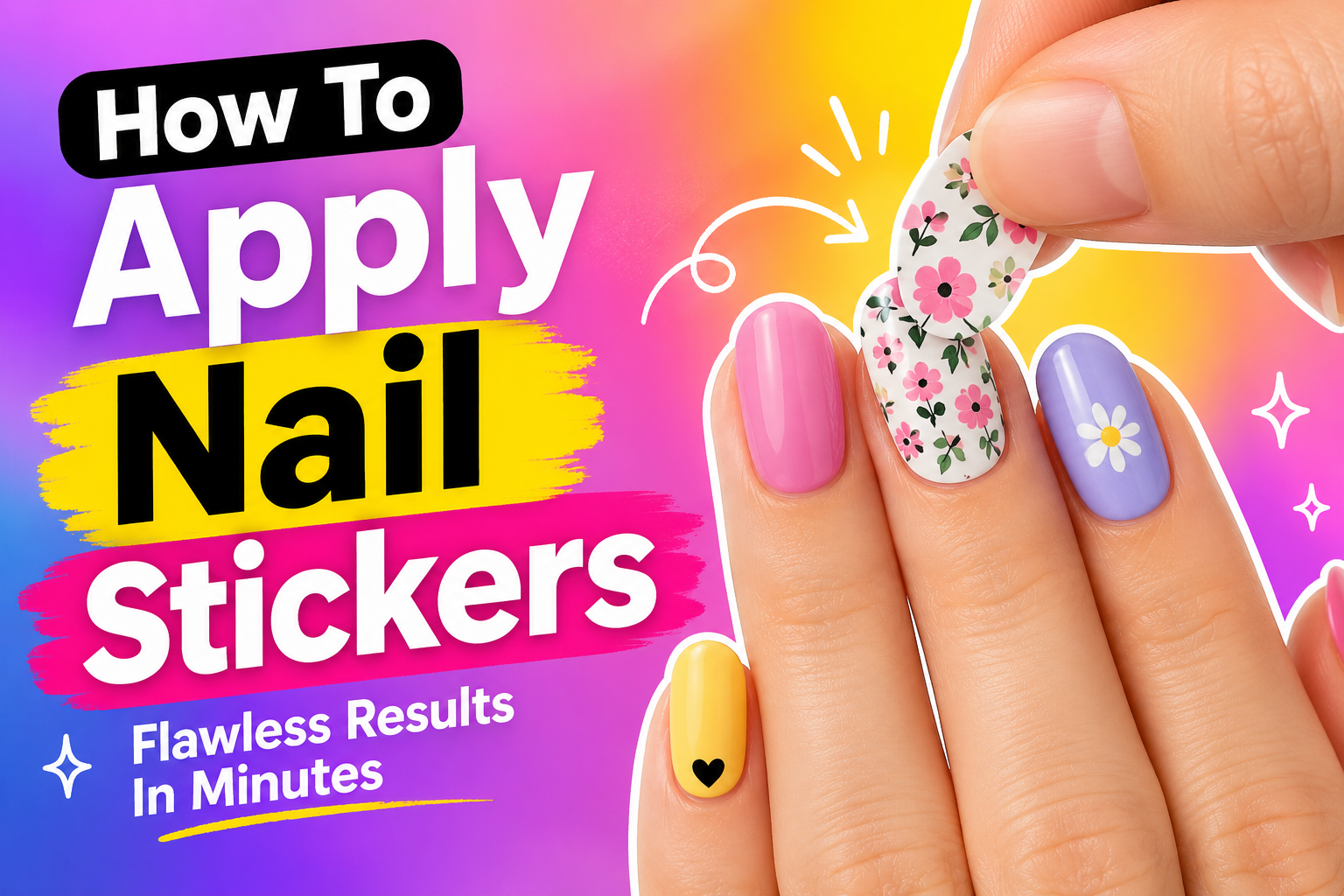
- Stickers and decals – Quick way to get a professional look without effort.
- Rhinestones or gems – Add sparkle for special occasions.
- Sponges – Useful for gradient or ombré effects.
Easy household alternatives
Don’t have nail art tools yet? No problem. Many everyday items can double as tools:
- Bobby pins work just like dotting tools.
- Scotch tape or masking tape can help with straight lines and patterns.
- Cotton buds (Q-tips) are great for cleaning polish around your nails.
Pro tip: You don’t need everything at once. Start small with just a base coat, one or two polishes, and a top coat. As you practice and gain confidence, you can slowly add tools and extras to your collection.
Step-by-Step: How to Do Nail Art at Home for Beginners
Nail art may look complicated on social media, but when you break it down into simple steps, it becomes surprisingly easy. Here’s a beginner-friendly guide to help you create neat, stylish designs without stress.
Preparing Your Nails
A good design always starts with a good foundation.
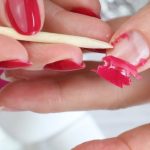
- Clean and trim nails – Wash your hands, trim your nails to your preferred length, and gently file them for smooth edges. Push back cuticles with a cuticle stick for a neat look.
- Apply base coat – A base coat not only protects your nails from staining but also helps the polish last longer. Let it dry completely before moving on.
- Choose nail polish colors – Pick two or three colors you love. Contrasting shades (like black and white, or pink and gold) often make designs pop.
Easy Nail Art Techniques (Beginner-Friendly)
Now comes the fun part—designs! Here are a few beginner-friendly techniques that don’t require professional skills:
- Polka dots – Dip a toothpick or bobby pin into your chosen color and gently dot it onto your nails. You can create a playful polka-dot look or even make tiny flowers.
- Stripes with tape – Apply tape strips over your nails to block off areas, then paint over them with a second color. Remove the tape carefully to reveal clean, sharp lines.
- Gradient/ombré effect – Dab two or more colors onto a small sponge, then lightly press it onto your nail to blend shades together. Repeat for a bold, blended finish.
- Accent nail – Paint one nail (usually the ring finger) in glitter polish or a contrasting color for a chic and modern look.
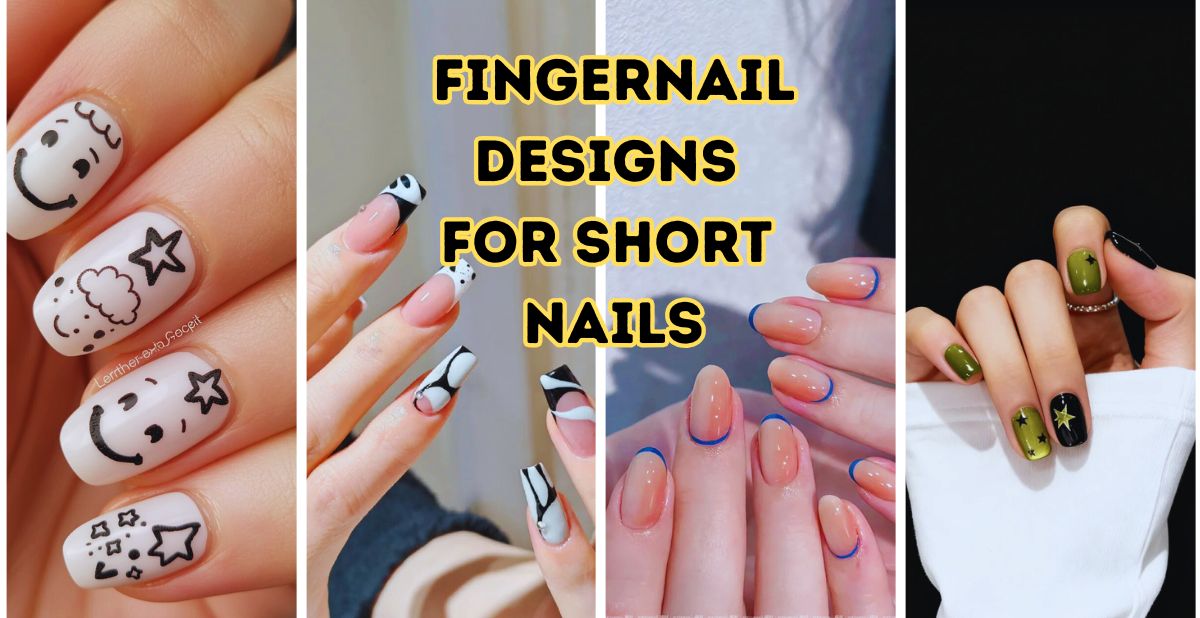
- Minimalist art – Use a thin brush or toothpick to create tiny lines, dots, or geometric shapes. Sometimes, less really is more.

Sealing the Design
Once your design is complete, it’s time to lock it in.
- Apply top coat – Glide on a thin layer of clear top coat to seal your design. This step adds shine and prevents chipping.
- Tips for long-lasting results –
- Reapply top coat every 2–3 days for extra protection.
- Avoid using your nails as tools (like opening cans or scratching labels).
- Keep your hands moisturized; dry nails chip faster.
With these simple steps, you’ll not only create pretty nail art but also make it last. Practice a few times, and you’ll notice your designs getting neater and more creative.
Trendy Yet Simple Nail Designs to Try
You don’t need advanced skills or a huge collection of tools to keep your nails looking fresh and stylish. Some of the most popular nail designs right now are also the easiest to create at home. Here are a few trendy yet simple ideas to inspire your next DIY manicure:
Pastel color combos
Soft pastel shades are timeless, especially in spring and summer. Try alternating colors on each nail—like mint green, lavender, peach, and baby blue—for a fun and playful look. Pastels are forgiving too, so even if your application isn’t perfect, the result will still look chic.
Nude base with metallic accents
For a classy, modern style, start with a nude or sheer pink base. Add metallic stripes using tape, or place a tiny gold or silver dot near the cuticle. This design looks elegant enough for work but still has a touch of sparkle for nights out.
Seasonal designs
Celebrate the seasons with nail art that matches the mood:
- Spring: pastel flowers or leafy patterns.
- Summer: bright neons, fruity patterns (like watermelons or pineapples).
- Autumn: warm tones with copper or bronze accents.
- Winter/holidays: glitter tips, snowflakes, or deep red with gold details.
Minimalist negative space designs
One of the trendiest looks is to leave parts of your nail bare, creating designs with “negative space.” You can use tape to block off areas, then paint around them for clean, modern patterns. Simple diagonal lines, half-moon tips, or tiny dots look sleek and trendy without being overdone.
TikTok & Instagram-inspired looks
Social media trends often highlight simple yet eye-catching designs. A few popular ones include:
- Aura nails – a sponged gradient circle in the center of each nail.
- Chrome accents – shiny chrome powder on just one or two nails.
- French twist – instead of the classic white tip, try bright colors or glitter on the tips.
These designs are proof that you don’t have to be a pro to keep up with nail art trends. Start small, experiment, and soon you’ll find your own signature style.
Troubleshooting & Common Mistakes Beginners Make
When you first start doing nail art at home, it’s normal to run into little hiccups. The good news is that every mistake is a chance to learn. Here are a few of the most common beginner slip-ups—and how to fix them:
Smudging before polish dries
One of the most frustrating things is accidentally smudging your design while it’s still wet. The solution? Patience. Give each layer time to dry before applying the next, and consider using a quick-dry top coat or a nail-drying spray to speed things up.
Using too much polish on the brush
Overloading your brush makes polish thick and uneven, leading to messy cuticles and longer drying times. Instead, wipe one side of the brush against the bottle’s rim before applying. Thin, even coats always look better and last longer than one thick layer.
Forgetting the base or top coat
Skipping these steps may save time in the moment, but it costs you in the long run. A base coat protects your nails from staining and helps polish stick, while a top coat seals your design and prevents chips. Think of them as your manicure’s insurance policy.
Impatient drying
We’ve all been there—touching something too soon only to leave a fingerprint on your freshly painted nail. A simple trick: dip your nails in cold water for a minute or two after applying polish. It helps set the color and reduces drying time.
My first-time mistakes
When I first tried nail art at home, my lines were wobbly, my glitter was clumpy, and sometimes I’d ruin everything just by picking up my phone too early. What helped was slowing down, working in thinner layers, and practicing small designs first instead of going straight for complicated patterns. Over time, my hand grew steadier, and my results looked more professional.
Nail Care Tips for Beginners
Healthy nails are the foundation of beautiful nail art. Without proper care, even the best designs won’t last long. Here are a few simple tips to keep your nails strong and ready for creativity:
Hydrate your nails and cuticles
Just like your skin, your nails need hydration. Regularly applying cuticle oil and hand cream prevents dryness, peeling, and breakage. Moisturized nails also hold polish better.
Avoid polish damage
Constantly layering polish without breaks can make nails brittle. Give your nails a “rest day” every now and then, keeping them polish-free to recover naturally. Also, avoid peeling off nail polish—it can strip away layers of your natural nail.
Best way to remove nail art safely
Instead of scrubbing or scraping, use an acetone-free nail polish remover with cotton pads. Place the pad on your nail, press for a few seconds, then wipe away gently. For stubborn glitter, soak a small piece of cotton with remover, place it on your nail, and wrap with foil for 5–10 minutes before removing.
Caring for your nails ensures they stay healthy, making each new design look even better—and last longer.

FAQs – Nail Art for Beginners (Optimized for Featured Snippets & Voice Search)
How to do nail art at home step by step?
To do nail art at home, start by cleaning and trimming your nails, then apply a base coat. Next, choose your polish colors and try simple designs like dots or stripes using a toothpick or tape. Once your design is complete, finish with a top coat to protect it and add shine.
What nail art is easiest to do?
The easiest nail art for beginners includes polka dots, accent nails (painting one nail differently), glitter overlays, and minimalist lines or shapes. These require little to no special tools and look stylish without being complicated.
How to nail art at home for beginners without tools?
You can create nail art without special tools by using household items. A bobby pin works as a dotting tool, tape helps with stripes or geometric patterns, and a sponge can create gradient or ombré effects. Cotton swabs are handy for clean-ups around the edges.
What are some easy nail art tutorials step by step?
Beginner-friendly tutorials often include:
- Polka dots – make dots with a toothpick or bobby pin.
- Striped nails – use tape to create clean lines.
- Gradient nails – blend two colors with a sponge.
- Accent nail – add glitter or a bold color to just one nail.
These can all be done in a few easy steps.
What trendy simple nail designs can I try as a beginner?
Some trendy yet simple beginner designs include pastel color combinations, nude nails with metallic accents, negative space designs, French tips with a modern twist, and TikTok-inspired aura nails or chrome accents. They’re easy to achieve but look very polished and stylish.
Conclusion
Learning how to do nail art designs for beginners at home doesn’t have to be intimidating. With just a few polishes, some creativity, and a little patience, you can create beautiful looks without spending salon prices. From simple polka dots and stripes to trendy pastel combos and minimalist designs, the possibilities are endless once you start experimenting.

Similar Posts