How to Do Nail Art Designs at Home: Easy DIY Tips
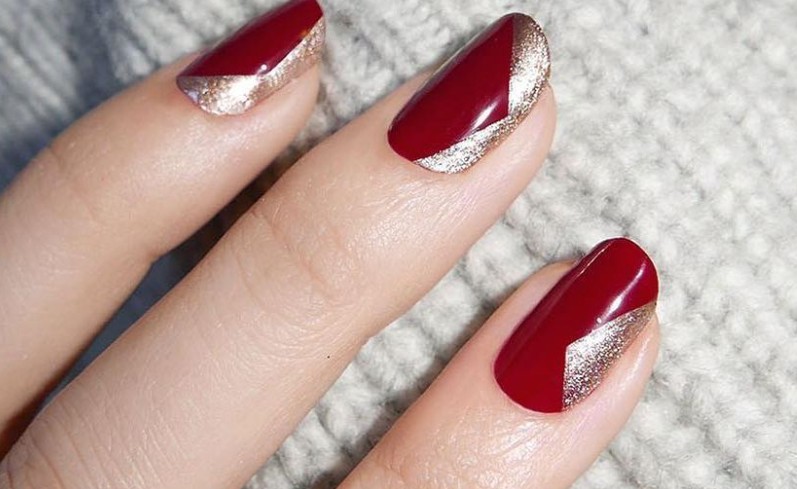
Imagine transforming your nails into tiny canvases, each telling its own unique story. Nail art is not just a beauty trend; it’s a form of self-expression that you can master right at home.
Whether you’re a seasoned DIY enthusiast or a complete beginner, learning how to do nail art designs at home can be both fun and rewarding. Picture yourself flaunting those chic designs you’ve always admired, impressing friends without the salon price tag.
Ready to unleash your creativity and elevate your nail game? Let’s dive into simple steps and tips that will have you crafting stunning designs in no time.
Essential Tools
Creating stunning nail art designs at home is both fun and rewarding. To get started, having the right tools is essential. Whether you’re just beginning or you’ve been experimenting for a while, knowing which tools to use can make a significant difference. Let’s explore some essential tools that will help you create beautiful nail art designs right from the comfort of your home.
Basic Supplies
Before diving into advanced techniques, you’ll need some basic supplies. These are the foundation of any nail art kit and are crucial for achieving neat and professional-looking designs.
- Nail Polish:Have a variety of colors to choose from. This allows you to mix and match for endless design possibilities.
- Base and Top Coats:A good base coat protects your nails, while a top coat seals your design, adding shine and longevity.
- Nail File and Buffer:These are used to shape and smooth your nails, providing a clean canvas for your art.
- Nail Polish Remover:Essential for cleaning up mistakes and removing old polish.
- Brushes:A set of fine-tipped brushes can help with detailed designs and precision painting.
Here’s a simple table summarizing the basic supplies:
| Item | Purpose |
|---|---|
| Nail Polish | Color variety for designs |
| Base and Top Coats | Protection and finish |
| Nail File and Buffer | Shape and smooth nails |
| Nail Polish Remover | Clean up and remove polish |
| Brushes | Detail work and precision |
Advanced Tools
Once you’re comfortable with the basics, it might be time to explore advanced tools. These allow for more intricate designs and can elevate your nail art to the next level.
- Dotting Tools:Perfect for creating dots, flowers, and other detailed patterns.
- Stamping Kits:These kits come with plates and a stamper to easily transfer designs onto your nails.
- Nail Art Tape:This thin tape helps create clean lines and geometric patterns.
- Glitters and Rhinestones:Add some sparkle to your nails with these eye-catching embellishments.
- UV/LED Lamp:If you use gel polish, a UV or LED lamp is necessary to cure the polish.
Advanced tools bring creativity to your fingertips. They open up a world of design possibilities that are limited only by your imagination. Experimenting with these tools can be an exciting way to express yourself through nail art.
Preparing Your Nails
Creating stunning nail art designs at home can be a fun and rewarding experience. Preparing your nails properly is an essential step in achieving beautiful results. This preparation sets the foundation for your creative nail art and ensures that your designs last longer. Let’s dive into the necessary steps for preparing your nails before embarking on your nail art journey.
Cleaning And Shaping
To start, it’s important to clean your nails thoroughly. This means removing any old nail polish and washing your hands with soap and water. Dry your hands well, as moisture can affect the nail polish application. Consider using a nail brush to gently scrub under your nails, ensuring no dirt or oil remains.
Once your nails are clean, focus on shaping them. Choose a shape that suits your style, whether it’s round, square, or almond. Use a nail file to achieve the desired shape. File in one direction to avoid splitting your nails. Here are some shaping tips:
- Use a fine-grit file for a smooth finish.
- Keep the edge slightly rounded to prevent snagging.
- Match the shape of your cuticle for a natural look.
Cleaning and shaping set the stage for easy nail designs. A well-prepared nail will hold polish better, making your creative nail art shine.
Nail Care Tips
Taking care of your nails is crucial for maintaining their health and beauty. Incorporate these home manicure tips into your routine:
- Moisturize Your Cuticles:Apply cuticle oil or cream regularly. This keeps the cuticles soft and prevents hangnails.
- Strengthen Your Nails:Use a nail hardener if your nails are prone to breaking. A strong base allows for more intricate nail art techniques.
- Buff Gently:Buffing your nails smooths ridges and gives a natural shine. Do this sparingly to avoid thinning the nail.
- Protect Your Nails:When using nail tools and supplies, be gentle. Avoid using your nails as tools to open things.
By following these nail care tips, you maintain a healthy nail care routine. Healthy nails are the foundation for any diy nail designs you wish to try. With proper care, your nail decoration ideas will look polished and professional.
Choosing A Design
Creating nail art at home is a fun and creative way to express yourself. Choosing the right design is crucial to achieving a look that you’ll love. Whether you’re a beginner or have some experience, picking a design that suits your style and skill level will make the process enjoyable. Consider factors like the occasion, season, or current trends when selecting your design. Below are some ideas to inspire you.
Simple Patterns
Simple patterns are perfect for beginners or those wanting a quick nail art fix. These designs are easy to create and require minimal tools. Here are some ideas:
- Polka Dots:Use a dotting tool or toothpick to create playful polka dots.
- Stripes:Paint thin lines with a small brush for a classic look.
- Gradient Effect:Blend two colors using a sponge for an ombre effect.
Simple patterns are versatile. They can be customized with different colors or finishes. Here’s a table that outlines tools needed for each design:
| Design | Tools Required |
|---|---|
| Polka Dots | Dotting tool or toothpick |
| Stripes | Thin brush |
| Gradient Effect | Sponge |
Seasonal Themes
Seasonal themes are a fantastic way to celebrate the time of year. They allow you to incorporate colors and symbols associated with each season. Here are some seasonal ideas:
- Spring Blooms:Use pastel colors and floral designs.
- Summer Sunshine:Bright colors and beach motifs like shells and waves.
- Fall Leaves:Earthy tones with leaf patterns.
- Winter Wonderland:Cool shades with snowflakes and icicles.
These designs can be adapted according to your personal style. Here’s a table that showcases popular seasonal colors:
| Season | Popular Colors |
|---|---|
| Spring | Pastels |
| Summer | Brights |
| Fall | Earthy tones |
| Winter | Cool shades |
Trending Styles
Keeping up with trending styles can make your nail art feel fresh and modern. These styles are often seen on fashion runways or social media. Consider these popular trends:
- Minimalist Art:Simple lines and geometric shapes.
- Metallic Finish:Use metallic polishes for a chic look.
- Negative Space:Leave parts of the nail unpainted for a unique design.
- Animal Print:Leopard or zebra patterns add a bold statement.
Trending styles often reflect current fashion or cultural movements. Here’s a table highlighting tools for creating trending styles:
| Style | Tools Required |
|---|---|
| Minimalist Art | Thin brush |
| Metallic Finish | Metallic polish |
| Negative Space | Striping tape |
| Animal Print | Stamping plates |
Credit: www.vogue.in
Step-by-step Techniques
Creating nail art at home can be a fun and creative process. With a few simple techniques, you can transform your nails into stunning works of art. This guide will provide you with step-by-step methods to help you achieve beautiful designs on your own. Whether you’re new to nail art or seeking to improve your skills, these techniques are easy to follow and perfect for beginners.
Freehand Art
Freehand nail art allows you to express your creativity without the need for any tools. All you need is a steady hand and a bit of patience. Start by selecting a few contrasting colors that complement each other. Use a thin brush to create intricate designs like flowers, swirls, or geometric shapes.
- Prepare your nails by applying a base coat to protect them.
- Choose a background color and let it dry completely.
- Use a thin brush dipped in your desired color for detailing.
- Practice simple shapes like dots or lines if you’re a beginner.
- Seal your design with a top coat to make it last longer.
Below is a simple table to help you choose brush sizes for different designs:
| Brush Size | Design Type |
|---|---|
| Thin | Details and lines |
| Medium | Flowers and patterns |
| Thick | Filling large areas |
Stencils And Stickers
Stencils and stickers are perfect for those who want clean and professional-looking designs without much effort. They are easy to use and come in a variety of patterns.
- Start by applying a base coat and let it dry.
- Choose a stencil or sticker design.
- Place the stencil on your nail and paint over it with your chosen color.
- Let the paint dry slightly and then carefully remove the stencil.
- For stickers, just peel and stick them onto your nails.
- Finish with a top coat to seal the design.
Using stencils and stickers can save time and ensure precision. They are especially useful for creating uniform patterns across all your nails.
Dotting And Striping
Dotting and striping are simple yet effective techniques for creating unique nail designs. Dotting tools come in various sizes and are great for creating polka dots and dot flowers.
- Start with a base coat and let it dry completely.
- Use a dotting tool to create dots in different sizes.
- Experiment with colors to create contrast.
- For striping, use a striping brush or tape to create lines.
- Apply the striping brush with a steady hand for clean lines.
- Finish with a top coat to protect your design.
Dotting and striping allow for endless creativity. By mixing different colors and sizes, you can create a variety of patterns and textures.
Color Combinations
Nail art designs at home can be a fun and creative way to express yourself. One key to achieving beautiful nail art is choosing the right color combinations. Colors can set the mood, enhance the design, and make your nails stand out. Whether you prefer classic shades, bold colors, or pastel tones, each palette brings a unique touch to your nails. Understanding these combinations will help you create stunning nail art that’s both trendy and personalized.
Classic Palettes
Classic color palettes are timeless and elegant. They are perfect for creating sophisticated nail art designs at home. Some popular classic combinations include:
- Black and White:A sleek, elegant choice that works for any occasion.
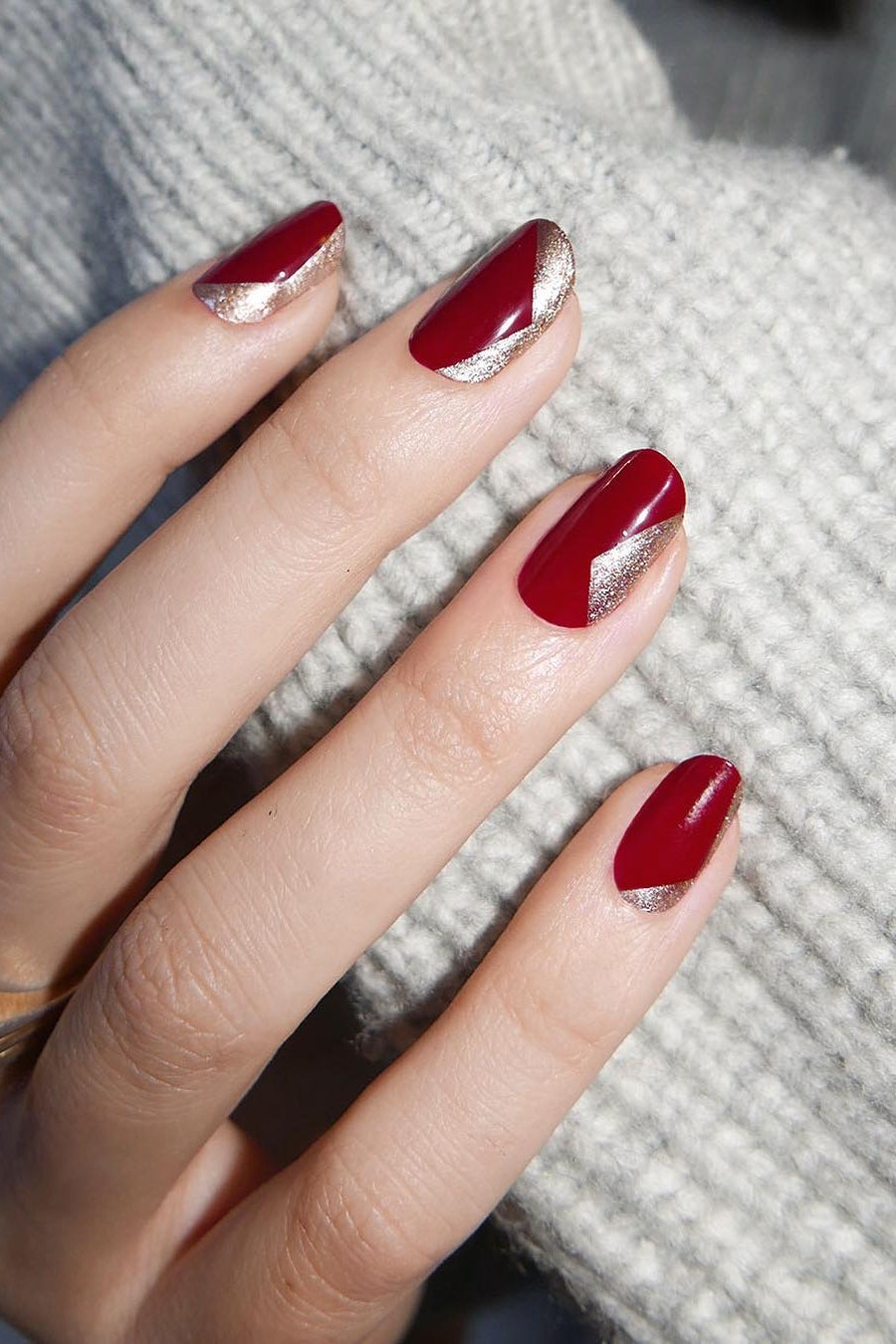
- Red and Gold:These colors together offer a luxurious look.
- Nude and Pink:Great for a subtle, feminine touch.
These colors can be mixed and matched to create a variety of designs. For instance, black and white can create geometric patterns, while red and gold can be used for floral designs. Nude and pink can be used for gradient effects or simple stripes.
Here is a simple table summarizing classic palettes:
| Combination | Characteristics |
|---|---|
| Black and White | Elegant, Versatile |
| Red and Gold | Luxurious, Bold |
| Nude and Pink | Subtle, Feminine |
Bold Choices
Bold color combinations are perfect for making a statement. These colors can transform your nail art into a vibrant masterpiece. Popular bold choices include:
- Neon Green and Purple:Eye-catching and lively.
- Bright Yellow and Blue:Cheerful and striking.
- Orange and Hot Pink:Fun and playful.
These bold colors can be used for abstract designs, funky patterns, or even accent nails. Neon green and purple can be used for geometric shapes, while bright yellow and blue can create sunburst designs. Orange and hot pink can be used for polka dots or zigzag patterns.
Bold choices can give your nails a modern look. Here is a summary table:
| Combination | Characteristics |
|---|---|
| Neon Green and Purple | Eye-catching, Lively |
| Bright Yellow and Blue | Cheerful, Striking |
| Orange and Hot Pink | Fun, Playful |
Pastel Shades
Pastel shades are soft and calming. They are ideal for creating delicate nail art designs. Some popular pastel combinations include:
- Mint Green and Lavender:Refreshing and soothing.
- Peach and Baby Blue:Sweet and gentle.
- Soft Yellow and Pale Pink:Light and airy.
These pastel shades can be used for ombre designs, floral patterns, or simple dots. Mint green and lavender create a serene look, while peach and baby blue are perfect for spring-themed designs. Soft yellow and pale pink can be used for heart shapes or stars.
Pastel shades are great for subtle elegance. Here’s a table to summarize:
| Combination | Characteristics |
|---|---|
| Mint Green and Lavender | Refreshing, Soothing |
| Peach and Baby Blue | Sweet, Gentle |
| Soft Yellow and Pale Pink | Light, Airy |
Finishing Touches
Creating stunning nail art at home can be an exciting and rewarding experience. The secret to a perfect finish lies in the final steps. These finishing touches elevate your design, ensuring it lasts longer and looks professional. Whether you’re a beginner or have some experience, adding the right finishing touches can make all the difference.
Top Coats
A top coat is essential in nail art. It protects your design and gives it a polished look. Here are some tips for choosing and applying a top coat:
- Choose the Right Type:There are different types of top coats. Look for quick-dry, matte, or glossy options based on your preference.
- Apply Evenly:Use even strokes to apply the top coat. Start from the base and move to the tip of the nail.
- Seal the Edges:Don’t forget the edges of your nails. This helps prevent chipping.
- Reapply Regularly:For long-lasting wear, reapply every few days.
Here’s a quick comparison of top coat types:
| Type | Finish | Best For |
|---|---|---|
| Glossy | Shiny | Classic designs |
| Matte | Flat | Modern looks |
| Quick-dry | Varies | Fast application |
Drying Techniques
Drying your nails properly is crucial. It ensures your design stays intact. Here are some effective techniques:

Similar Posts