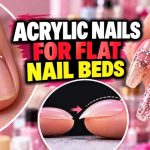
KDS Nail Glue: My Honest Guide to Acrylics, Press-Ons Nail Fixes

If you’ve ever struggled to keep your acrylics or press-ons from popping off at the worst possible time, you’ve probably heard people rave about KDS Nail Glue. It’s one of those little beauty products that looks simple, but once you’ve used it, you realize how much easier it can make your nail routine. Whether you’re fixing a single broken nail before work or applying a full set of salon-worthy acrylics at home, having the right glue can make all the difference.
The truth is, not all nail glues perform the same. Some feel sticky but weak. Others dry too slowly, or worse, clump up after just a few uses. KDS has gained a reputation among nail techs and everyday users for being fast, strong, and surprisingly easy to work with. But what makes it so popular? How do you use it correctly? And is it really worth the hype?
In this guide, you’ll learn everything you need to know—from how to use KDS glue for nails safely, to what’s actually in it, to whether it’s strong enough for acrylic nails or quick repairs on the go. I’ll also share practical tips based on real-world experience, along with what actual users say in KDS nail glue reviews. By the time you’re done, you’ll know exactly how to get the best results, avoid common mistakes, and make your manicures last longer than ever.
Let’s dive in and break down what makes this tiny bottle such a must-have for nail lovers.


What Is KDS Nail Glue? (My Quick Take)
If you’re new to DIY nails, KDS Nail Glue is a fast-drying, salon-style adhesive that people across the U.S. swear by for acrylics, press-ons, and quick nail repairs. It’s tiny, affordable, and one of those beauty items you don’t realize you need until the moment you desperately do. Most people keep a bottle tucked in a bathroom drawer, purse, or even a glove box—because when a nail breaks, it always seems to happen at the worst time.
KDS is best known for drying quickly and gripping with surprising strength for such a simple formula. It doesn’t need fancy packaging or promises; it just does what you expect it to do—hold your nails in place and keep them looking clean and polished.
Why KDS Glue Is So Popular in the U.S.
• Affordable
KDS is usually sold in multi-packs, which makes it cheaper than a single bottle of many salon brands. For regular nail wearers, that alone is a win.
• Strong Hold
It bonds fast and holds tight—especially on acrylic tips and longer press-ons. Once it sets, it feels secure without being too thick or gummy.
• Works for Acrylics + Press-Ons
Some glues are too thin for acrylics or too thick for press-ons. KDS hits that sweet spot where it works for both, whether you’re doing a full set or just fixing one corner that lifted.
• Trusted in Nail Salons
Plenty of U.S. salons keep KDS around for quick fixes because it dries consistently and doesn’t require long wait times. Many pros grew up using it and still recommend it.
When I First Tried KDS Nail Glue
My introduction to KDS was on a rushed Tuesday morning. I had a meeting in less than 20 minutes, and one of my press-ons decided to pop off while I was grabbing my keys. I didn’t have time for fussing, so I dug into my bag and remembered I had a tiny KDS bottle someone slipped into a nail kit I bought months earlier. A quick dab, 10 seconds of holding, and boom—the nail felt like it was never missing.
After that chaotic morning save, I kept using it for acrylic tips, repairs, and random emergencies. It quickly became one of those “I can’t believe this tiny thing is so reliable” products.

KDS Nail Glue Ingredients & How They Work
KDS is simple: no fancy extras, no long ingredient lists—just a fast-acting adhesive designed to bond surfaces cleanly and securely. Its strength comes from how quickly it reacts once you press the nail into place.
Main Ingredient: Cyanoacrylate
Cyanoacrylate is the key ingredient in most nail glues, and it’s what makes KDS bond so quickly. When exposed to a tiny bit of moisture in the air or on your nail surface, it begins to cure almost instantly. You might feel a slight warmth—that’s normal and simply part of the chemical reaction as it sets.
In real life, this means you don’t need to sit still forever. A firm hold for 8–12 seconds usually does the trick, and the glue hardens fully within minutes.
Safety Notes for U.S. Users
• Skin Contact Tips
If the glue gets on your skin (and trust me, it will happen), don’t panic. Soak the area in warm, soapy water, then gently roll or peel it away. Avoid tugging hard.
• Ventilation
Cyanoacrylate has a faint chemical scent. Use it in a spot with light airflow—bathroom fans and open windows work fine.
• Storing in U.S. Climates
- Cold states (like Minnesota or Michigan winters): The glue thickens, so warm it in your hands for a minute before using.
- Hot states (like Arizona summers): Store it inside, not in your car, or it may dry out faster.
- Humid states (Florida, Gulf Coast): Wipe nails with alcohol first to remove excess moisture.

How to Use KDS Nail Glue (Step-by-Step From My Routine)
This is the simple routine I follow at home—sometimes in my bathroom, sometimes right at my kitchen counter when I’m multitasking. KDS doesn’t require anything fancy; just a few basics.
Tools I Keep Nearby
- KDS nail glue
- Nail file or buffer
- Alcohol wipes
- Cuticle pusher
- Tip clamps (optional but helpful for acrylics)
Step 1 – Prep the Nail
I start by washing my hands, then gently pushing back my cuticles. After that, I buff the nail surface lightly—just enough to remove shine. You’ll notice a soft dust forming; that’s your cue you’re doing it right.
Once the nail feels slightly gritty instead of smooth, I wipe everything down with an alcohol pad. This removes oil and dust so the glue can actually grip.
Step 2 – Apply the Glue
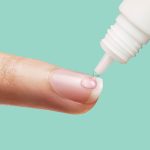
For press-ons, I use the thin layer method—a small sweep of glue on the natural nail and a tiny dot inside the press-on.
For acrylic tips, I sometimes use a little more. The center dot method works great: one dot in the center that spreads when you press the tip on. Too much glue makes it slippery; too little makes the bond weak.
Step 3 – Hold & Set
Once the glue is on, I place the nail carefully and hold it with firm, even pressure. I usually count to 10, or 15 if the room feels cold. The glue sets fast, but giving it those extra seconds helps prevent air bubbles.
How Strong Is KDS Nail Glue? (My Real Results)
Here’s the honest truth: KDS holds better than most budget nail glues I’ve tried. Whether I’m typing at work, cleaning, cooking, or dealing with sudden weather swings, it keeps up surprisingly well.
Wear Test on Acrylic Nails
With acrylic tips, I can usually get 1–2 weeks without lifting—sometimes longer when I prep perfectly. The bond feels firm, like the tip is part of my nail.
Wear Test on Press-Ons
Press-ons generally last me 5–7 days with KDS. Light chores, showering, cooking—it handles all that without popping off randomly.
What Affects the Hold
- Humidity – Moisture weakens the bond.
- Oil on hands – Natural oils or lotions reduce grip.
- Glue thickness – Too much glue = slippery. Too little = weak.

KDS Nail Glue for Acrylic Nails vs Press-Ons
KDS works well for both, but the experience is a little different depending on the nail type.
For Acrylic Tips
Acrylics benefit from KDS because it sets quickly and doesn’t shift around while you’re adjusting the tip. That’s one reason many pros still keep KDS in their kit.
For Press-Ons
Press-ons feel natural with KDS because it’s thin enough not to bulk up the nail. It makes the press-on look flush, not raised.
My “Do This, Not That” Checklist
Do This:

Similar Posts