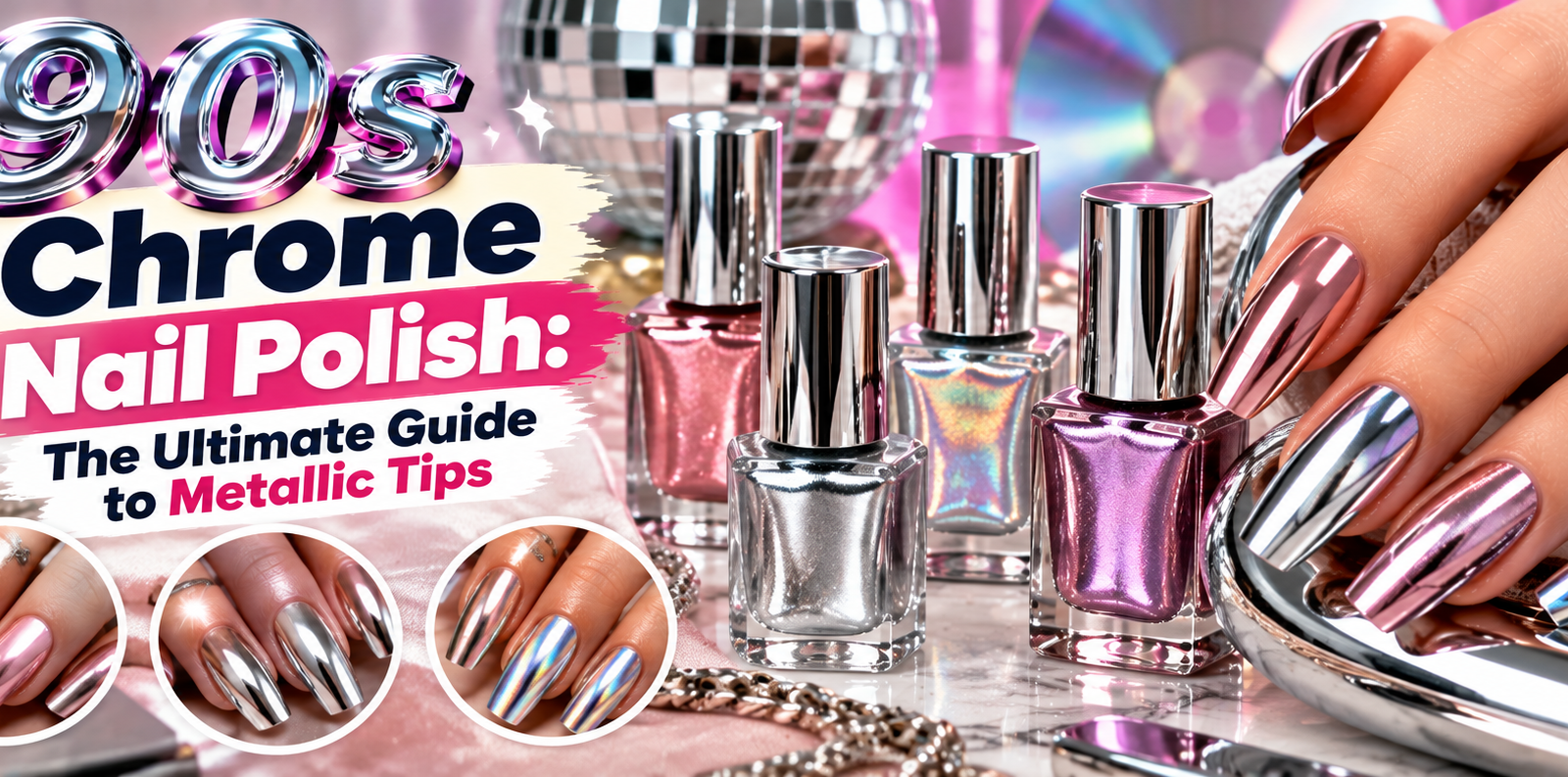
90s Chrome Nail Polish: The Ultimate Guide to Metallic Tips
If you flicked through a music video, magazine, or early YouTube tutorial around 1998 to 2001, chances are you caught a glimpse of nails so reflective they looked like polished metal. Chrome nails weren’t just a beauty trend, they were a cultural statement. That mirror finish screamed futurism, glamour, and a certain rebellious kind of cool that defined the late-’90s and early-2000s aesthetic.
Today, that exact look has exploded back into popularity. Gen Z is rediscovering Y2K style, and chrome nails are front and center. But for anyone who remembers the original era or wants to recreate it authentically, there’s more to the story than just slapping on a metallic polish.
This guide covers everything you need to know about 90s chrome nail polish, where it came from, how it worked, what products defined the era, how to achieve the look now, and why this trend never really left, it just went underground.
What Exactly Is Chrome Nail Polish?
Chrome nail polish produces a high-shine, metallic finish that mimics the look of polished metal, usually silver, but also gold, rose gold, and even colored versions. The surface reflects light almost like a mirror rather than absorbing it like traditional creme or shimmer polishes.
The key difference between regular metallic polish and true chrome is the level of reflectivity. Drugstore metallic polishes from the ’90s could get shiny, but real chrome came from a combination of two things: a highly reflective base coat and a special chrome powder or gel formula applied on top.
In the original 90s era, most people who got true chrome nails did so at the salon. Nail technicians would file the nails smooth, apply a base color (often silver or white), and then buff or powder the surface until it reached that liquid-metal look. At-home versions relied on cheap metallic polishes that gave a shimmering effect but lacked the full mirror finish.
Chrome powder changed everything. These ultra-fine metallic powders, when applied over a sticky gel base and buffed with a silicone tool, create that unmistakable high-gloss, metallike surface. It’s the same product professionals used in the late ’90s and early 2000s, just now available to everyone at home.
How the Chrome Nail Trend Started in the 90s
The chrome nail phenomenon didn’t emerge from a single moment. It was part of a broader cultural shift toward metallic, futuristic aesthetics that dominated fashion, music, and design in the mid-to-late 1990s.
Several factors converged to make chrome nails mainstream:
The Y2K aesthetic. As the year 2000 approached, pop culture embraced anything futuristic. Metallic fabrics, iridescent plastics, and holographic accessories were everywhere. Chrome nails fit perfectly into this visual language, they looked like they belonged in a sci-fi movie.
Pop music influence. Artists like Britney Spears, Christina Aguilera, Janet Jackson, and groups like TLC and Spice Girls all sported chrome and metallic nails during this period. Music videos and MTV coverage brought the look into living rooms across America and beyond.
Celebrity nail artists go viral. People like Jennifer Tilly and later, salon owners in Los Angeles and Miami, started gaining followings for their bold, reflective nail art. Nail technology magazines and early beauty websites documented these looks.
Advancements in nail products. While chrome powders existed before the ’90s, the late decade saw improved formulations that made them easier to use and more affordable. UV gel systems also became more accessible to professional salons, which made high-shine finishes faster and more reliable.
By 1999 and 2000, chrome nails had moved from niche salon specialty to mainstream beauty conversation. You could find them in teen magazines, beauty sections of department stores, and on every red carpet that mattered.
Why Chrome Nails Were So Popular in the Late ’90s and Early 2000s
Understanding the cultural momentum behind chrome nails helps explain why the look felt so iconic and why it’s resonating so strongly today.
They signaled individuality. In the ’90s, nail fashion was largely conservative, nude, pink, red, or black. Chrome nails were bold, unusual, and visually arresting. Wearing them told people you paid attention to style and weren’t afraid to stand out.
They crossed gender lines. Chrome and metallic nails weren’t exclusively feminine. Many male celebrities and musicians also wore reflective nail polish during this era, contributing to a more fluid approach to beauty standards.
Technology excited people. The turn of the millennium was charged with optimism about the future. Chrome nails looked technological, sleek, and forward-looking. They felt like part of that utopian vision of what 2000 was supposed to bring.
Celebrity culture was reaching peak power. With the rise of tabloid television, early internet gossip sites, and magazine spreads, celebrity beauty looks spread faster than ever. A chrome manicure spotted on one star would appear on thousands of women within months.
The nail industry was innovating rapidly. Gel polish, acrylics, and new application tools were making elaborate nail designs more achievable. Chrome was one of the most dramatic results you could achieve with these new technologies.
How to Achieve Authentic 90s Chrome Nails Today
You don’t need a salon appointment to get this look anymore. Here’s how to recreate authentic 90s chrome nails at home, using both modern and traditional methods.
Method 1: Chrome Powder Over Gel Polish (Most Authentic)
This is the closest method to what salons used in the ’90s and what’s driving the current revival.
Prep your nails. File and shape them to your preference. Push back cuticles gently and buff the nail surface lightly to remove shine. Clean with alcohol to remove oils.
Apply a base coat. Use a thin layer of gel base coat and cure under a UV or LED lamp according to the manufacturer’s instructions.
Apply your color. Chrome nails traditionally use silver, gunmetal, or white as the base. Apply one or two thin coats of your chosen color and cure each layer fully. A white base will give the most reflective result, while silver creates that classic gunmetal look.
Apply a no-wipe top coat. This is critical. Use a thick, sticky no-wipe top coat and cure it. Do not wipe off the tacky residue, that stickiness is what the chrome powder needs to adhere to.
Buff on the chrome powder. Using a silicone applicator or a soft foam pad, pick up a small amount of chrome powder and rub it firmly onto the nail surface in circular motions. The powder will grab onto the sticky layer and transform into a mirror finish. Be thorough, miss spots and the reflection will be uneven.
Clean off excess powder. Use a clean brush to dust away any loose powder from around the nail and skin.
Seal it. Apply another layer of gel top coat, curing each layer properly. This protects the chrome finish and keeps it looking sharp for days or weeks.
Method 2: Chrome Nail Polish (Easier, Less Mirrored)
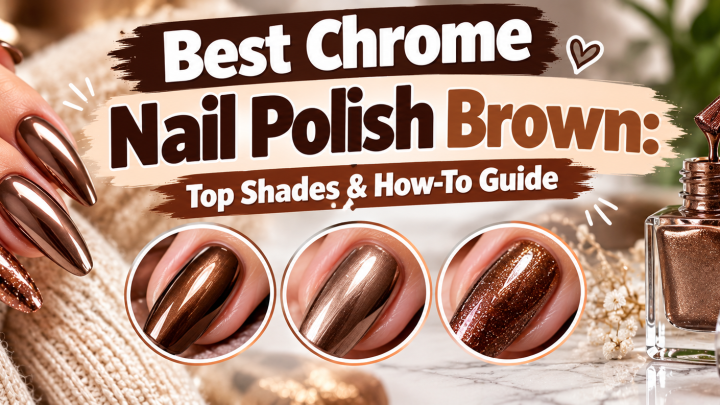
For a simpler approach, dedicated chrome nail polishes are available from many brands. These are formulated to dry with a metallic shine closer to the chrome look, though they won’t quite match the depth and reflectivity of powder-applied chrome.
Apply the polish to clean, prepped nails using thin coats. Two to three layers usually build up sufficient coverage. Let each coat dry completely before applying the next.
Method 3: The Old-School Buffing Technique
Before chrome powders existed, some salon technicians achieved a shiny metallic effect by heavily buffing a solid silver or chrome-colored polish. This required patience and a very smooth nail surface. The result was decent but never as perfect as the powder method.
If you want historical authenticity to the ’90s salon experience, this is what you’d be replicating, though it takes significantly more time and skill.
Best Chrome Nail Products Available Now
The market for chrome nail products has exploded alongside the trend’s revival. Here’s what stands out in terms of quality and performance.
Chrome Powders
Chrome powders are the heart of the chrome nail process. Quality matters because cheaper powders can appear patchy, oxidize quickly, or be difficult to blend.
Look for powders labeled specifically for nail use. They typically come in small jars and include applicator tools. Major brands produce formulas in silver, gold, rose gold, blue, rainbow, and even matte versions.
What to check when buying: Particle fineness (finer equals smoother finish), pigment density, and whether the powder adheres well without excessive effort. Read reviews from other nail enthusiasts.
Gel Systems
A reliable gel polish system is essential for the chrome powder method. You’ll need a base coat, color gels, and a no-wipe top coat.
UV lamps and LED lamps both work, but LED lamps cure faster, typically 30 to 60 seconds per coat versus 2 minutes under UV. For home use, an LED lamp is the more practical choice.
Key considerations: Ensure your lamp matches the wavelength requirements of your gel polish. Check curing times recommended by both the lamp and polish manufacturers.
Chrome Nail Polishes (Non-Gel)
If gel isn’t your thing, several regular polish brands offer chrome-effect formulas. These are more accessible and don’t require lamps, but they lack the durability and intensity of the powder-and-gel method.
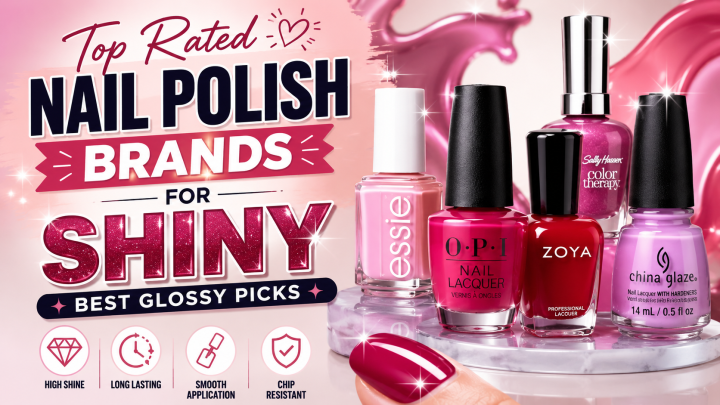
Brands like OPI, Essie, and Sally Hansen have released metallic and chrome-inspired shades over the years. Performance varies, so testing a few options is worthwhile before committing to a full set.
Different Shades and Variations of 90s Chrome
While silver chrome is the most iconic look, the ’90s and the current revival both feature a wide range of chrome colors and effects.
Silver Chrome
The quintessential 90s chrome nail. This is the look you associate with Y2K fashion, cold, industrial, and undeniably sharp. Silver chrome works well on any nail length and shape.
Gold Chrome
A warmer alternative that feels just as metallic and reflective. Gold chrome nails were popular in the late ’90s, especially among those who preferred a more luxurious feel over the industrial edge of silver.
Rose Gold Chrome
Slightly softer but still unmistakably metallic. Rose gold chrome bridged the gap between the bold chrome trend and the more romantic nail aesthetics that emerged in the early 2000s.
Rainbow Chrome
Holographic chrome powders create an iridescent, multicolored reflection. This variation played into the wider ’90s fascination with holograms and prism effects. The nails catch light and shift through colors rather than reflecting a single tone.
Black Chrome
A darker, moodier take on the trend. Black chrome nails absorb some light while still reflecting enough to read as metallic. This was less common in the original ’90s but has become popular in the revival, especially within alternative and goth-adjacent fashion scenes.
Colored Chrome
Blue, purple, green, and other colored chrome powders give you the metallic sheen with a tint of color underneath. These are increasingly popular and allow for creative expression while maintaining the signature reflective quality.
Chrome Nails vs. Other Metallic Nail Trends
It’s easy to conflate chrome nails with other metallic nail styles, but there are meaningful differences worth understanding.
Chrome vs. Metallic Polish: Traditional metallic polishes contain reflective particles suspended in lacquer. They dry with shine but lack the seamless, liquid-metal appearance of chrome.
Chrome powder applied over gel creates a surface that looks poured on rather than painted.
Chrome vs. Holographic Nails: Holographic nails feature rainbow prismatic effects that scatter light into spectral colors. Chrome nails reflect light as a single mirrored surface.
Some products combine both effects, creating a holographic chrome hybrid.
Chrome vs. Foil Nails: Nail foils are thin sheets of metallic material applied to a sticky base. They can create chrome-like results but often show seams and texture.
Powder chrome gives a smoother, more uniform surface.
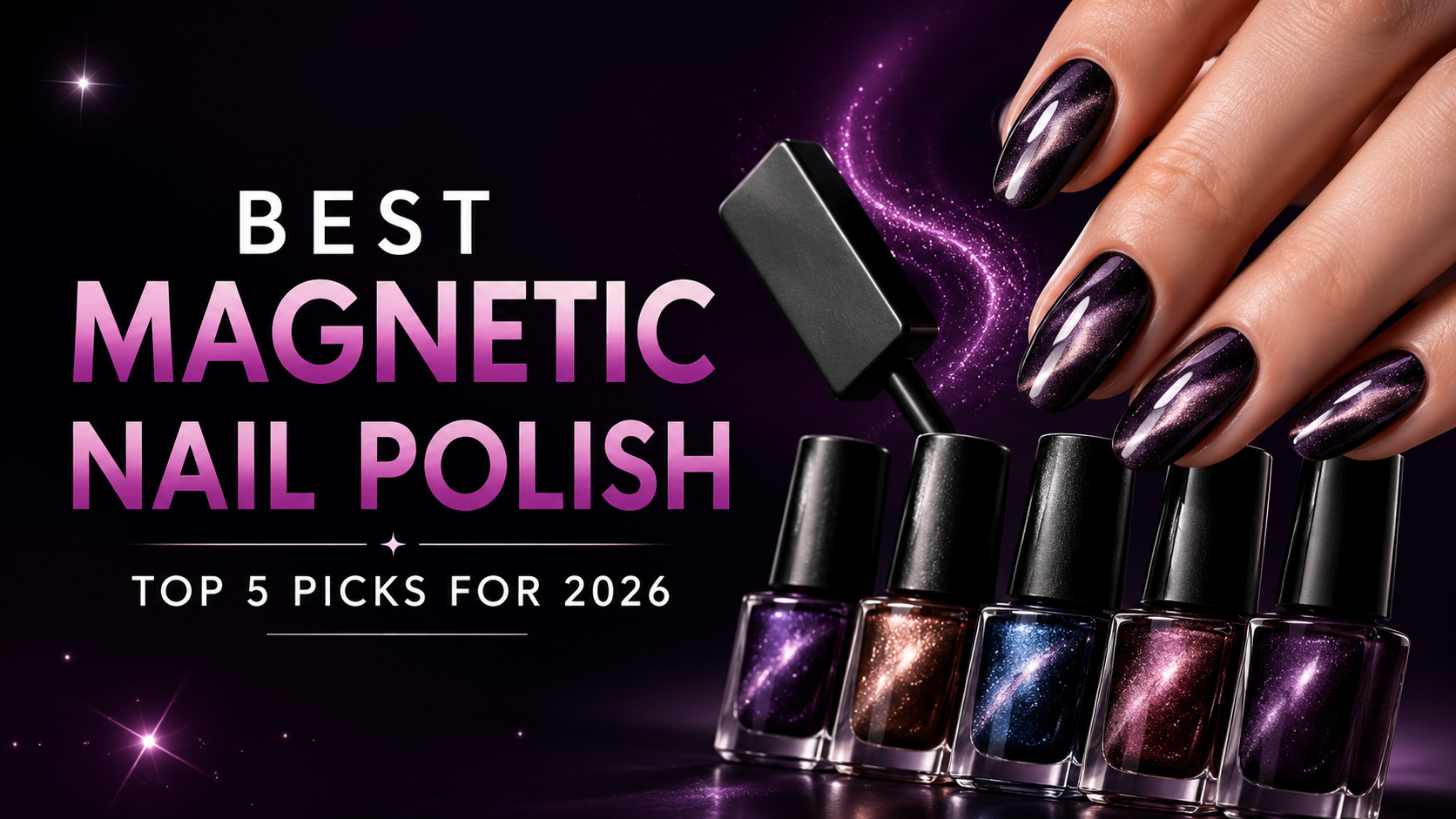
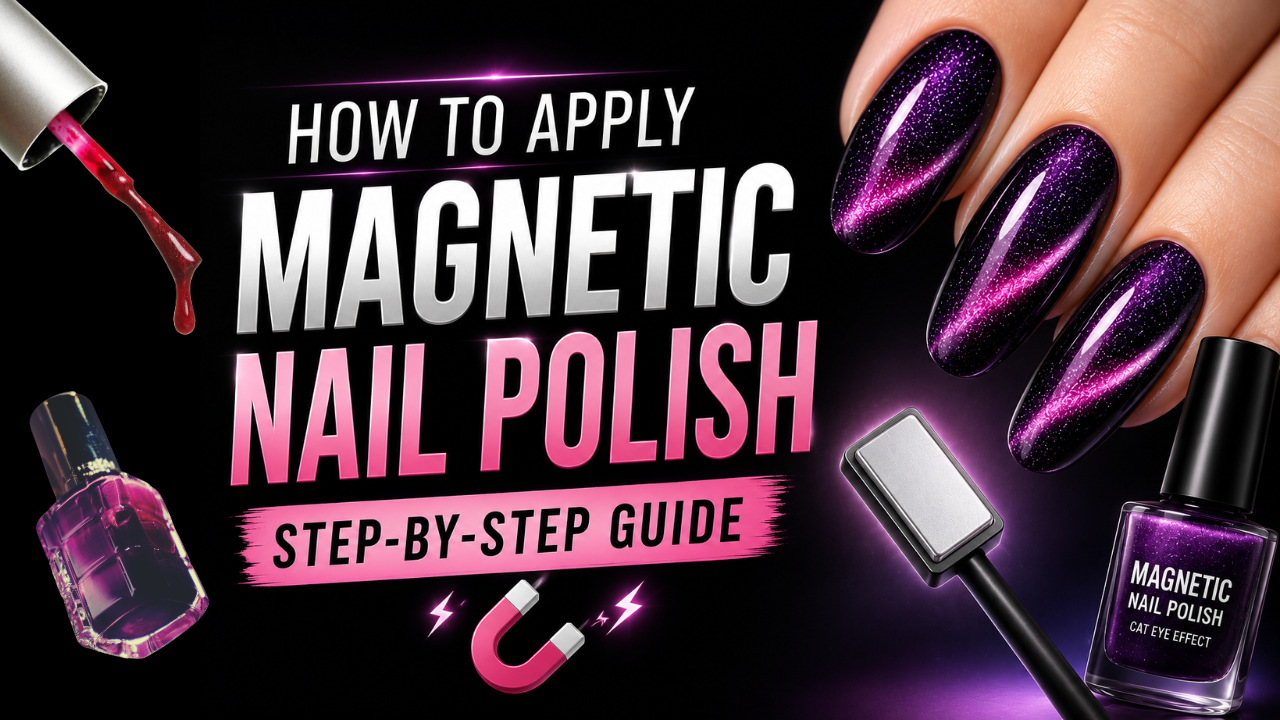
Chrome vs. Magnet (Cat-Eye) Nails: Magnetic nail polish uses a magnet to create linear patterns in suspended metallic particles. The result is streaky and directional, not the even mirror finish of chrome.
If you’re interested in magnetic polish specifically, top-rated magnetic nail polish picks for 2026 cover the best options currently available.
The Revival: Why Chrome Nails Came Back Strong
Chrome nails didn’t die in the mid-2000s, they faded. As fashion moved toward more natural and minimalist aesthetics in the 2010s, bold chrome nails retreated from mainstream visibility. But they never truly disappeared.
The revival began around 2018 and accelerated dramatically by 2020, driven by several interconnected forces.
Y2K nostalgia. Gen Z and younger millennials became obsessed with recycling and reinterpreting fashion and beauty from the late ’90s and early 2000s. Chrome nails were a core element of that aesthetic, and social media platforms like TikTok made the look go viral almost overnight.
Social media amplification. Instagram and TikTok turned nail art into a visual art form accessible to millions. Creators posted tutorials, transformations, and close-up shots of chrome nails that showcased the effect in ways traditional beauty media couldn’t.
Product accessibility. What was once a salon-only treatment became available for home use. Chrome powder kits, gel polish sets, and LED lamps are now sold at beauty supply stores and online retailers at price points that make the trend accessible.
Celebrity and influencer adoption. High-profile celebrities and beauty influencers embracing chrome nails legitimized the trend for wider audiences. Red carpet appearances and Instagram feeds became showcases for the most stunning chrome designs.
Common Mistakes When Doing Chrome Nails at Home
Even with good products, chrome nails can go wrong. Knowing what to avoid makes the difference between a stunning result and a frustrating experience.
Skipping the prep step. Any oil, moisture, or debris on the nail surface will prevent the chrome powder from adhering evenly. Always cleanse nails thoroughly with alcohol before starting.
Applying powder to a wiped top coat. If you accidentally wipe or clean the sticky top coat layer before applying chrome powder, the powder won’t grab. Use a no-wipe top coat and leave the residue intact until after the powder is applied and sealed.
Using too much or too little powder. Applying powder too thin leaves gaps and patchiness. Applying it too thick can make the finish rough rather than smooth. Build up gradually, checking the reflection as you go.
Not sealing properly. Chrome powder needs to be encapsulated in gel top coat to protect it from scratching, chipping, and oxidation. A thin seal layer can crack or wear through quickly.
Buffing over skin. Chrome powder stains skin and is difficult to remove once it sets. Work carefully and keep the powder application confined to the nail surface.
** Rushing the curing process.** Undercured gel layers cause problems downstream, poor adhesion, peeling, and premature chipping. Follow recommended curing times precisely.
How to Make Chrome Nails Last Longer
Chrome nails are durable when done correctly, but the reflective surface is more vulnerable to scratches and wear than a standard gel manicure. These tips help extend the life of your manicure.
Wear gloves for chores. Dishwashing, cleaning, and gardening expose nails to chemicals and abrasion that degrade the chrome finish. Gloves are your best defense.
Moisturize the cuticles, not the nail plate. Hand cream and cuticle oil are beneficial, but avoid getting heavy products directly on the chrome surface, which can dull the shine over time.
Avoid using nails as tools. Opening cans, scraping surfaces, and typing aggressively all contribute to chipping and scratching. Treat your chrome nails like the delicate artwork they are.
Reapply top coat if needed. If the shine starts fading after a week or so, a fresh layer of gel top coat can restore reflectivity and add protection.
Store products properly. Chrome powders should be kept in sealed containers away from moisture. Gel polishes should be stored upright in a cool, dark place to maintain consistency and performance.
Who Should Avoid Chrome Nails
Chrome nails are gorgeous, but they aren’t ideal for everyone. Consider these factors before committing.
People with weak or thinning nails. The filing and buffing involved in chrome nail preparation can further weaken already fragile nails. If your nails peel or bend easily, a gentler approach may serve you better. Consult resources on how to grow nails fast and strong beautiful nails if brittleness is a concern.
Those prone to gel allergies. Some individuals react to ingredients in gel polish systems, particularly HEMA and other acrylates. Patch testing is essential before full application.
People who can’t commit to proper removal. Gel and chrome nails require careful removal involving soaking and gentle scraping. Prying them off can damage the natural nail layers. If you frequently change nail styles or can’t dedicate time to proper removal, traditional polish might be more practical.
Anyone with active nail infections. Applying gel and chrome products over infected or inflamed nails can trap moisture and worsen the condition. Treat the underlying issue first.
For those dealing with damaged nails at home, it’s worth letting nails recover before attempting the more intensive chrome nail process.
Chrome Nails and Nail Health: What You Need to Know
There’s sometimes confusion about whether chrome nails damage your natural nails. The answer depends entirely on application and removal techniques.
When done correctly, with minimal filing, proper curing, and careful removal, chrome nails via gel polish are no more damaging than any other gel manicure. The chrome powder itself sits on top of the gel and doesn’t interact chemically with the nail.
The main risks come from improper practices:
Over-filing the nail surface to create “adhesion” strips away layers of your natural nail, leaving them thin and vulnerable.
Improper removal, such as prying or picking off gel polish, can tear away the top layers of the nail plate.
Extended wear without breaks can lead to dehydration of the nail plate, making nails brittle over time.
To minimize risk, consider how to file nails safely before starting your chrome nail routine. Gentle preparation preserves nail integrity far better than aggressive buffing.
If you’ve experienced breakage or peeling after previous gel manicures, exploring how to fix a broken nail and proper aftercare can help restore nail health before your next chrome application.
The Cultural Legacy of 90s Chrome Nails
Chrome nails represent more than a beauty trend, they capture a specific moment in cultural history. The late ’90s and early 2000s were a period of extraordinary optimism about technology, the future, and personal expression. Chrome nails embodied that spirit.
They appeared in music videos, fashion editorials, Hollywood red carpets, and on everyday people who wanted to feel connected to something bigger and bolder. The look transcended subcultures and demographics, becoming one of the most recognizable beauty signatures of its era.
The fact that chrome nails have returned so forcefully speaks to how cyclic fashion and beauty trends operate. Each generation discovers the aesthetics of the one before it, interprets them through its own lens, and makes them its own. The chrome nails of 2024 are technically more advanced and more accessible than those of 1999, but they carry the same energy and intentionality.
For anyone who lived through the original trend, seeing chrome nails come back is genuinely nostalgic. For younger people discovering the look for the first time, it represents a fresh take on something with history and character.
Frequently Asked Questions About 90s Chrome Nails
How long do chrome nails last?
When applied correctly with gel polish and sealed properly, chrome nails typically last two to three weeks before showing noticeable wear. With careful maintenance and minimal exposure to harsh chemicals, they can last up to four weeks.
Can you do chrome nails with regular polish?
Yes, but the results won’t be as durable or as mirror-like. Regular chrome-style polishes exist and can give a metallic finish, but they chip more easily and lack the depth of powder-applied chrome over gel.
Is chrome nail polish safe?
Chrome powders and gel polishes used correctly are generally safe. The primary concerns involve proper ventilation during application, avoiding skin contact with uncured gel, and following removal protocols to prevent nail damage. Reputable brands formulate their products to meet regulatory standards.
What’s the difference between chrome powder and dip powder?
Chrome powder is a fine metallic powder applied to a sticky gel surface and buffed into a mirror finish. Dip powder involves dipping the nail into colored powder layered over an adhesive activator, building up a hard shell. They’re different processes with different results, chrome is reflective and thin, while dip creates thickness and durability.
Do chrome nails ruin your natural nails?
No, not when applied and removed correctly. Damage occurs from over-filing, improper removal, or prolonged wear without breaks. Following proper technique protects your natural nails while enjoying the chrome look.
How do I remove chrome nails at home?
Soak cotton pads in acetone, place them on each nail, wrap with foil, and wait 10 to 15 minutes. Gently push off the softened gel with an orange stick or cuticle pusher. Don’t force or scrape.
File any remaining residue lightly and moisturize thoroughly.
Are chrome nails trendy in 2026?
Absolutely. Chrome nails remain one of the most popular nail trends, with continued strong interest across all age groups. The Y2K revival has cemented chrome as a staple rather than a passing fad.
Can you mix chrome powder with other nail art techniques?
Yes. Chrome pairs beautifully with French tips, ombre effects, nail stickers, and even acrylic extensions. Combining chrome with how to do ombre nails techniques, for example, can create stunning gradient-to-mirror transitions.
Final Thoughts
90s chrome nail polish isn’t just a nostalgic throwback, it’s a timeless beauty statement that continues to evolve. The reflective, metallic finish that captivated millions at the end of the last millennium has found a passionate new audience, and the techniques have only improved since then.
Whether you’re looking to recreate an authentic ’90s look for a themed event, add some Y2K flair to your everyday style, or simply try something bold and eye-catching, chrome nails deliver. The key is patience, proper prep, and quality products.
The chrome nails of today benefit from decades of product innovation, making them easier to achieve and longer-lasting than their predecessors. That said, the soul of the trend remains exactly what it was in 1999: a fearless embrace of shine, futurism, and self-expression.
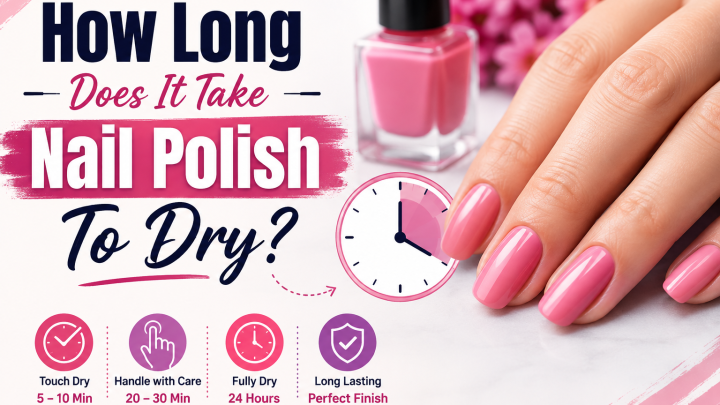
If you’re ready to explore related nail techniques that complement chrome, checking out how to apply fake nails at home or how to apply nail stickers can expand your toolkit. And for anyone wondering about how long does it take nail polish to dry, understanding drying times is especially relevant when working with chrome layers that need proper curing between steps.
The mirror is waiting.
Amazon and the Amazon logo are trademarks of Amazon.com, Inc, or its affiliates.
Author


Similar Posts