What Nail Polish Colors Make Black: Mixing, Meaning, Designs & What to Know

The first time I tried mixing nail polish to make black, it wasn’t about being trendy—it was pure curiosity (and convenience). I had every color except black. Instead of running to the store, I wondered: what nail polish colors make black if I mix them myself? The result wasn’t perfect—but it taught me a lot.
People usually search for this for a few reasons:

Buy Product Here
- DIY creativity and experimenting at home
- Saving money or using what they already own
- Creating custom shades for nail art
- Understanding color mixing better
In this guide, you’ll learn:
- Which nail polish colors make black when mixed
- Why nail polish behaves differently than paint
- Whether true black is actually possible at home
- What to expect (and what not to expect)
What Nail Polish Colors Make Black When Mixed?

Buy Product Here
If you’re asking what nail polish colors make black, the short answer comes from basic color theory—but the real-life result is more complicated.
Basic Color Theory (Made Simple)
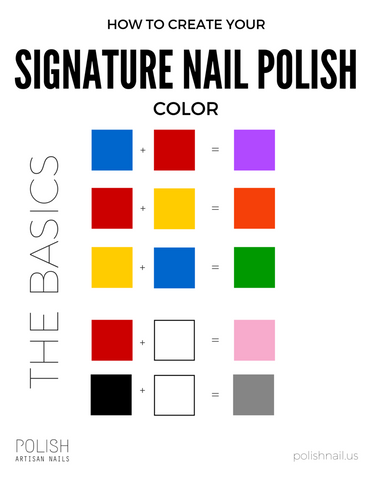
In theory, black is created by mixing all primary colors together. For nail polish, that usually means:
- Red
- Blue
- Yellow
When these three are combined in balanced amounts, they cancel each other out and create a very dark shade.
Some people also mix:
- Red + Green
- Blue + Orange
- Purple + Yellow
These are complementary color pairs, and when mixed, they neutralize into dark tones.

Buy Product Here
Primary Colors Needed to Create Black
To get closest to black using nail polish:
- Start with equal parts red, blue, and yellow
- Adjust slowly—tiny drops matter
- Add more blue or red to deepen the shade
In my experience, starting with dark versions of these colors (deep red, navy blue, mustard yellow) works better than bright or neon shades.
Why Nail Polish Doesn’t Mix Like Paint
Here’s where expectations need adjusting.
Nail polish isn’t pure pigment—it contains:
- Clear base
- Solvents
- Suspended color particles
Because of this:
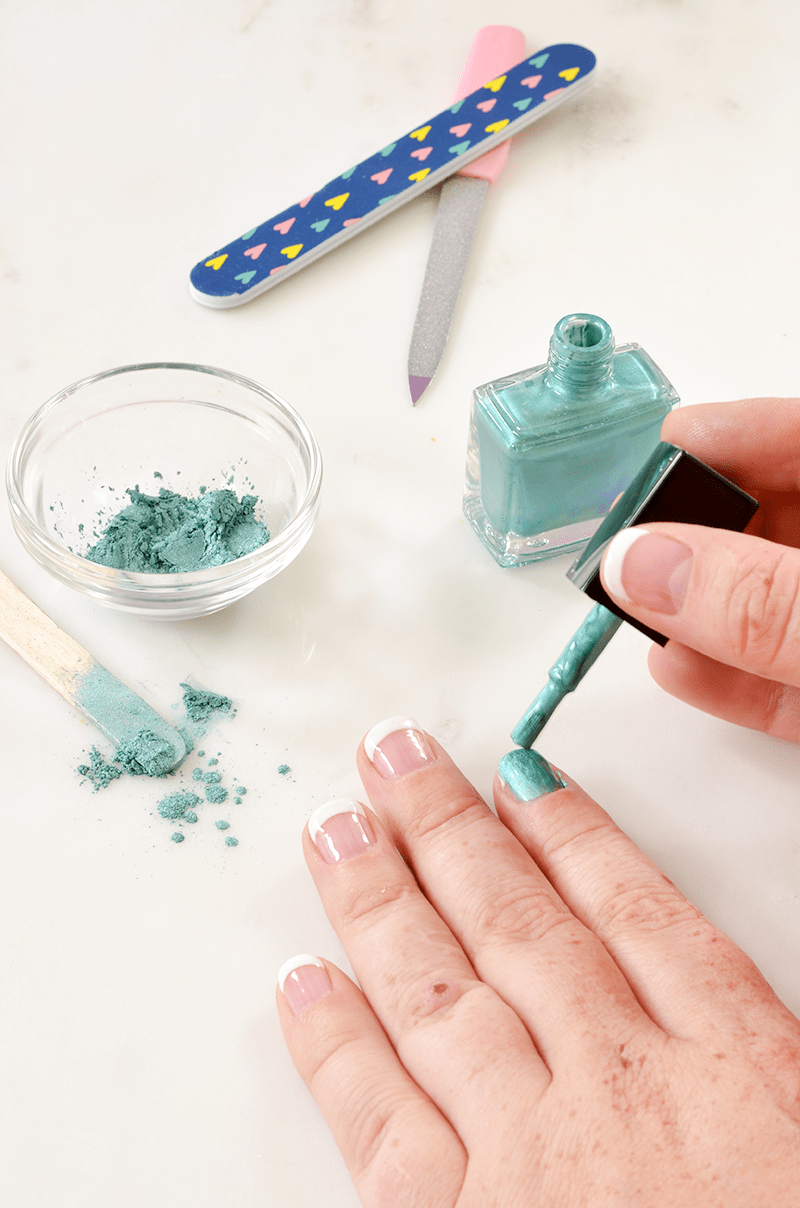
- Colors dilute instead of fully blending
- You often get dark brown, muddy purple, or charcoal, not true black
- Shimmer or glitter polishes interfere with mixing
That’s why mixing acrylic paint and mixing nail polish give very different results.
Buy Product Here
My Personal Experience Mixing Polishes at Home
When I mixed red, blue, and yellow nail polish at home:
- The first result was a dark chocolate brown
- Adding more blue pushed it toward charcoal
- It looked almost black in low light—but not in sunlight
It worked for nail art and accent nails, but it didn’t fully replace real black polish.
Can You Really Make True Black Nail Polish at Home?

Buy Product Here
Realistic Expectations
The honest answer?
You can make near-black, but true jet black is very hard to achieve at home.
Why?
- Commercial black polish uses highly concentrated black pigment
- DIY mixes are diluted by clear bases and solvents
- Small color imbalances show up easily

Buy Product Here
Why Results Often Look Dark Brown or Charcoal
Most homemade mixes turn out:
- Dark brown
- Deep gray
- Muted purple-black
This isn’t a failure—it’s just chemistry. Under indoor lighting, it may look black. In daylight, the undertone shows.
Buy Product Here
When DIY Black Does Make Sense
Mixing nail polish works well if:
- You need black for one design or accent nail
- You want a soft black or charcoal look
- You enjoy experimenting creatively
But if you want:
- Opaque, true black
- One-coat coverage
- Long-term consistency
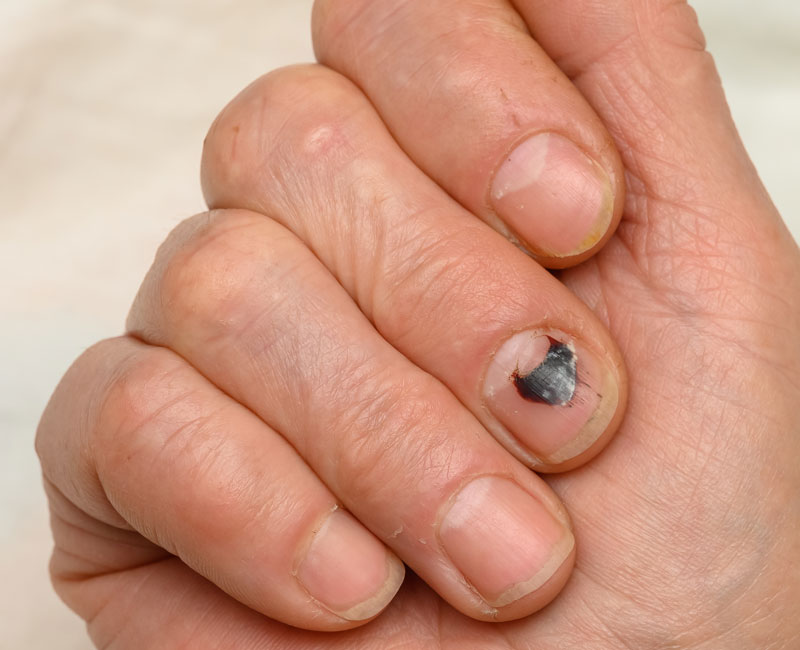
Why Do Some Nails Turn Black on Their Own?
Buy Product Here

Similar Posts