How to Paint Designs on Fingernails: Easy DIY Tips for Beginners
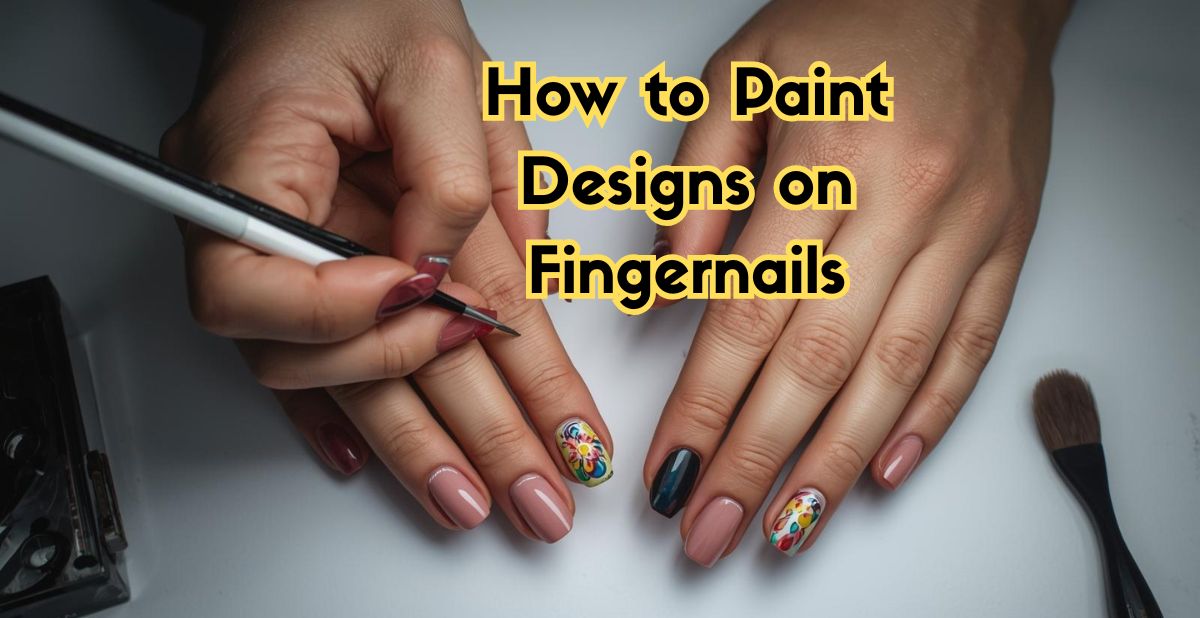
Nail art isn’t just a beauty trend anymore—it’s become a creative form of self-expression and a favourite part of self-care. If you’ve ever wondered how to paint designs on fingernails without spending a fortune at the salon, you’re not alone. More and more people are exploring at-home nail art as a way to relax, get creative, and add a personal touch to their style.
I still remember my first attempt at painting little flowers on my nails. The result? Let’s just say it looked more like paint splatters than petals. But here’s the good part—I learned that you don’t need to be a professional artist to create fun, stylish designs. With a few simple techniques, the right tools (or even just a toothpick and tape), anyone can turn their nails into a mini canvas.
In this guide, we’ll walk through everything you need to know:
- Easy nail art ideas for beginners (even without tools)
- Step-by-step methods to paint your nails with unique designs
- Tips for fingernail designs on short nails
- Where to find inspiration and even how to design your own nails online for free
Whether you’re experimenting for the first time or looking to upgrade your DIY nail game, this article will give you practical tips, beginner-friendly hacks, and inspiration to start creating nail designs that actually look salon-worthy.
Getting Started with Nail Art
Before you dive into painting fun patterns, it’s important to set yourself up for success. Nail art may look fancy, but with the right supplies and a little prep, you can create designs that look clean, polished, and even professional. Let’s break it down step by step.
Basic Supplies You’ll Need
You don’t need an overflowing collection of polishes or a drawer full of tools to begin. Start small, and you can always add to your kit later.
- Nail Polish Essentials: A base coat, a few fun color polishes, and a top coat for sealing your design are must-haves. The base coat protects your nails and prevents staining, while the top coat keeps your design chip-free longer.
- DIY Tools: A thin brush, toothpicks, or even an old eyeliner brush can be used to paint designs. These make it easy to draw lines, dots, or tiny shapes.
- Polish Remover & Cotton Pads: Mistakes are part of the process! Keep remover handy for quick clean-ups or starting fresh.
- Optional Extras: If you want to get fancy, try dotting tools for perfect circles, striping tape for clean lines, or nail stencils to create more detailed looks.
Think of your nails as a blank canvas—the supplies above are your paintbrushes and palette.
Prepping Your Nails Before Painting
Prepping your nails is just as important as the design itself. Skipping this step can leave your polish looking uneven or cause it to chip quickly.
- Clean & Shape – Wash your hands, remove any old polish, and gently trim or file your nails into your preferred shape (square, round, almond).
- Buff the Surface – Lightly buffing removes ridges and gives polish a smoother base.
- Base Coat Matters – Never skip this! A base coat helps polish stick better, prevents staining, and makes your design last longer.
Think of this step like priming a wall before painting—it makes all the difference.

Easy Nail Art Designs for Beginners (No Tools Needed)
You don’t need a professional nail kit to create fun looks. In fact, some of the most popular and easy nail art designs for beginners without tools can be done using everyday items at home. Here are a few ideas to try:
- Simple Dots – Dip a toothpick, bobby pin, or even the end of a paintbrush into polish and dot it across your nails. You can create flowers, polka dots, or random patterns.
- Stripes with Tape – Use regular tape or striping tape to create clean, straight lines. Paint over the taped area, then peel it off for a sharp striped look.
- Accent Nails – Instead of painting all nails the same, pick one finger (usually the ring finger) and give it a bold design while leaving the others simple. This is easy, stylish, and quick.
- Ombre/Sponge Effect – Dab two or three colors onto a makeup sponge and press it onto your nails for a beautiful gradient effect.
These beginner-friendly styles prove you don’t need a drawer full of nail art tools—just a little creativity and patience.
Step-by-Step: How to Paint Designs on Fingernails
Now that your nails are prepped and you’ve gathered your supplies, let’s dive into the fun part—actually creating designs! If you’ve been wondering how to paint your nails with designs that look chic yet achievable, these step-by-step tutorials will help you master the basics and build confidence.
Classic Dots and Flowers
Dots are the foundation of many nail art designs. Once you master them, you can easily turn them into flowers or polka-dot patterns.
How to make perfect dots:
- Dip the end of a toothpick, bobby pin, or dotting tool into nail polish.
- Lightly press it onto your nail for a neat dot.
- Repeat with different colors or sizes for variety.
How to turn dots into flowers:
- Place five small dots in a circle, then add a contrasting dot in the center.
- Use a thin brush or toothpick to drag the petals inward slightly for a softer look.
This simple floral style works beautifully for spring and summer and can be done in under 10 minutes.
Geometric Shapes & Stripes
If you love clean, modern designs, geometric shapes and stripes are your go-to.
Using tape:
- Apply a base color and let it dry completely.
- Cut thin strips of tape and place them on your nails in the desired pattern (diagonal, vertical, or even crisscross).
- Paint over the tape with a contrasting color.
- Peel the tape away carefully before the polish dries for sharp lines.
Freehand method:
- Use a thin brush to draw triangles, squares, or chevrons.
- Keep designs simple at first—like one bold stripe down the middle—before trying more complex patterns.
Geometric styles look great in bold, contrasting colors such as black and white or neon against nude polish.
Seasonal & Fun Ideas
Want your nails to match your mood or the season? Here are some playful ideas that can be adapted to any nail length, especially if you’re looking for fingernail designs for short nails:
- Hearts: Perfect for Valentine’s Day or date nights. Simply paint two dots side by side and drag them down into a point.
- Stars: Use a toothpick to draw tiny starbursts, or apply star-shaped glitter for an easy shortcut.
- Glitter Accents: Apply glitter polish to just the tips or one accent nail for a sparkling, low-effort design.
- Short Nails Tip: If your nails are shorter, keep designs minimal. Vertical lines, small dots, or a glitter accent can actually make nails appear longer.
The key is to keep your designs balanced—shorter nails look best with tiny, delicate patterns rather than oversized or overcrowded art.
DIY Nail Art Hacks and Online Tools
One of the best parts about nail art is that you don’t need to be a professional to enjoy it. With a few smart tricks and digital tools, you can explore do it yourself nail art designs for beginners right from home. Think of it as a mix of creativity, self-care, and a little tech magic.
Smart DIY Nail Art Hacks
Here are a few tried-and-true hacks that can make nail art easier, faster, and more fun:
- Use Everyday Items as Tools – A bobby pin works just as well as a dotting tool, and painter’s tape can help create crisp lines.
- Practice Before You Paint – If you’re nervous, practice designs on paper or use inexpensive fake nails. This helps you get the feel for brush control without worrying about smudges.
- Q-Tip Clean-Up Trick – Dip a Q-tip in nail polish remover to clean up edges around your cuticles for a salon-fresh look.
- Layering is Key – For bold designs, always let each layer dry before applying the next. This prevents smudging and keeps lines sharp.
These little shortcuts take the stress out of nail art and make it more approachable for beginners.

Design Your Own Nails Online (Free Tools)
Thanks to technology, you can actually design your own nails online free before ever picking up a polish brush. Many apps and websites now offer virtual try-on features where you can:
- Upload a photo of your hand or choose a hand model.
- Test out different polish colors, patterns, and shapes.
- Experiment with nail lengths and finishes (matte, glossy, glitter).
- Save your favorite looks as inspiration for your next DIY session.
Some popular platforms even let you “try on” seasonal collections or custom designs, giving you a realistic preview before you commit. This is especially handy if you’re unsure which colors match your skin tone or if a bold design suits your style.
A Personal Tip
When I first started experimenting, I used to doodle nail designs on paper during study breaks. Later, I moved on to practicing on plastic nail tips from a beauty supply store. This gave me the confidence to try the same designs on my real nails without feeling rushed. If you’re just starting out, this simple practice routine can make a world of difference in your confidence and results.
Tips for Long-Lasting Nail Designs
Nothing’s more frustrating than spending time on a beautiful nail design only for it to chip the next day. The good news? A few simple habits can make your nail art last longer and keep it looking salon-fresh. Here’s how to protect your hard work.
Seal with a Top Coat
Think of a top coat as a protective shield for your nail art. It locks in the design, adds shine, and prevents chipping.
- Apply one thin layer after your design dries completely.
- Reapply every 2–3 days to refresh the shine and reinforce the protection.
- For matte looks, use a matte top coat to keep the finish consistent.
This small step makes a big difference in extending the life of your polish.
Avoid Smudges and Chips
Patience is key when it comes to nail art. Rushing through can cause smudges, dents, or uneven finishes.
- Drying Time: Allow at least 10–15 minutes between layers to fully dry.
- Gentle Handling: Avoid doing dishes, typing aggressively, or using your nails as tools right after painting.
- Protective Habits: Wear gloves while cleaning or cooking to prevent chemicals and hot water from weakening your polish.
By treating your nails with care, you can enjoy flawless designs for days.
Quick Fixes for Ruined Designs
Even with the best care, accidents happen. Luckily, there are easy ways to rescue a smudged or chipped nail without starting over.
- Small Chip? Dab a little polish on the spot, then smooth it with a top coat.
- Smudge Lines? Apply a glitter top coat—it disguises imperfections beautifully.
- Major Mistake? Turn it into an accent nail. Remove the polish only from the affected finger and redo it with a bold or glittery color.
These quick fixes not only save time but can also give your design a unique, creative twist.
Personal Experience & Lessons Learned
When I first started learning how to paint designs on fingernails, I made almost every mistake possible. My biggest one? Using way too much polish at once. The colors ran together, designs smudged, and instead of delicate patterns, I ended up with blobs. It was frustrating at first, but looking back, those early mishaps taught me the most.
Over time, I realized that nail art is just like any other creative skill—it improves with practice. The more I painted, the steadier my hand became, and the more control I had over brushes and tools. I also learned little tricks, like wiping excess polish off the brush before applying and always letting layers dry properly. These small adjustments made a huge difference in how clean and polished my designs looked.
But the biggest lesson? Nail art isn’t about perfection—it’s about expression. Some of my favorite designs came from “happy accidents,” like a smudge that turned into a creative swirl or a mismatched color combo that looked better than expected. Nail art is meant to be fun, a reflection of your mood and personality, not a test of precision.
So if your first attempts don’t turn out like Pinterest-perfect photos, don’t be discouraged. Every mistake is just a step toward discovering your own unique style. And honestly, that’s the beauty of it—you’re creating tiny pieces of art that are entirely your own.

Frequently Asked Questions (FAQs)
What is the easiest nail design for beginners?
The easiest design for beginners is simple polka dots. You only need a toothpick, bobby pin, or the end of a brush. Dip it into polish and dot it across your nails for a playful, stylish look. Other beginner-friendly designs include stripes made with tape, accent nails, or a glitter top coat for instant sparkle.
How can I paint designs on my nails at home?
To paint designs at home, start with clean, prepped nails and a base coat. Use everyday items like toothpicks or tape to create patterns. For example, dots, stripes, or simple flowers can be done in minutes. Finish with a top coat to protect the design. With practice, you’ll find how to paint your nails with designs is easier than it looks—and much cheaper than salon visits.
Can you do nail art without special tools?
Yes! You can create easy nail art designs for beginners without tools using everyday items. A bobby pin makes perfect dots, tape creates clean stripes, and a makeup sponge helps with ombre effects. Even a toothpick can be used for tiny details. Nail art doesn’t require a full kit—just creativity and patience.
What nail designs look best on short nails?
When it comes to fingernail designs for short nails, minimal and clean styles work best. Small dots, thin vertical stripes, glitter tips, or accent nails make short nails look longer and more polished. Avoid overcrowding the nail with too many shapes—simple patterns often look the most elegant on shorter lengths.
Are there apps to design your own nails online for free?
Yes, several apps and websites let you design your own nails online free before painting them. These virtual try-on tools allow you to test colors, patterns, and shapes on a digital hand. Some even let you upload a photo of your own nails. It’s a fun way to experiment with new looks and find inspiration before you try them in real life.
Conclusion
Learning how to paint designs on fingernails is less about perfection and more about creativity, patience, and practice. From simple dots and stripes to seasonal accents and ombre effects, there are endless ways to turn your nails into a personal canvas. You don’t need fancy tools or salon skills—just a few polishes, some clever hacks, and the confidence to try.
Looking back on my own journey, I can honestly say: if I can do it, so can you. My first attempts were messy, but over time, I discovered that nail art is really about enjoying the process, expressing your style, and embracing happy accidents along the way.
So grab your favorite colors, experiment with a few beginner-friendly designs, and have fun with it. Start simple, build your skills, and don’t be afraid to make mistakes—that’s where the best ideas often come from.
Now it’s your turn: try out a new design this week and share your favorite nail art styles with friends or online communities. You might just inspire someone else to pick up a brush and start painting too.
Amazon and the Amazon logo are trademarks of Amazon.com, Inc, or its affiliates.
Author


Similar Posts