how much is laser treatment for nail fungus

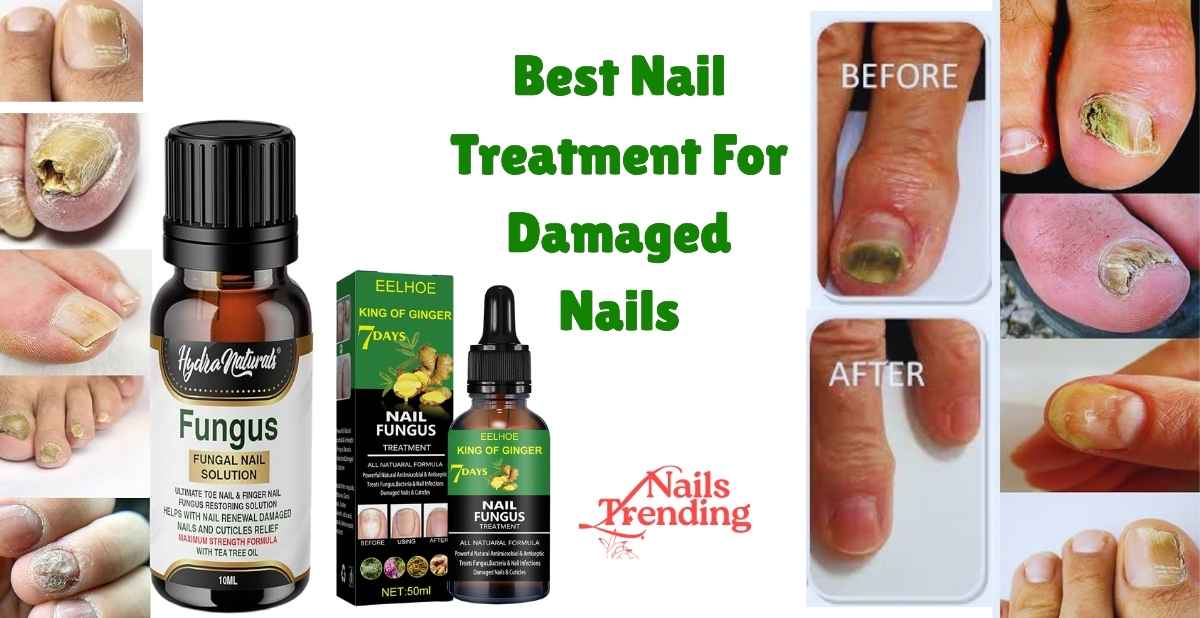
How much is laser treatment for nail fungus? It’s a question many people ask once they realize over-the-counter creams and home remedies aren’t giving the results they hoped for. Nail fungus, also known as onychomycosis, is more common than you might think, affecting millions of people in the US and UK. Beyond being a cosmetic concern, it can cause discomfort, embarrassment, and even long-term nail damage if left untreated.
Over the years, treatment options have ranged from topical ointments and oral antifungal pills to surgical nail removal. But laser treatment has emerged as a modern, minimally invasive solution that promises clearer, healthier nails without the side effects of medication. Still, the first question on most people’s minds is about the cost—and whether the results are truly worth the investment.
In this article, we’ll break down everything you need to know about laser treatment for nail fungus:
- The average price you can expect to pay in the US and UK
- Whether insurance covers toenail fungus treatment or removal
- How effective laser therapy really is compared to other methods
- The growing trend of at-home laser devices and whether they’re safe
- Practical tips to help you choose the best treatment for your situation
By the end, you’ll have a clear understanding of costs, effectiveness, and alternatives so you can make an informed decision about your nail health.
What Is Laser Treatment for Nail Fungus?
Laser treatment for nail fungus is a medical procedure that uses focused beams of light to target and destroy fungal infections beneath the nail. Instead of applying creams or taking oral medications that work slowly (and sometimes inconsistently), the laser penetrates the nail plate and heats the fungus directly at its source.
How It Works
During a session, a podiatrist or dermatologist directs a specialized laser onto the infected nail. The light energy creates heat, which penetrates through the nail and into the nail bed. This heat damages the fungus cells, disrupting their ability to grow and spread. The nail itself isn’t removed, and most patients describe the sensation as warm or mildly uncomfortable rather than painful. Over the following weeks, as the nail grows out, you may start to see clearer, healthier nail tissue replacing the infected parts.
Why It’s Different from Other Treatments
- Topical treatments (like antifungal creams or medicated nail polish) often struggle to penetrate deep into the nail bed, which is where the infection lives. They work best for mild cases but may not be effective for stubborn or long-term fungal infections.
- Oral antifungal pills (such as terbinafine or itraconazole) can be effective but may take several months to show results and carry risks of liver toxicity or interactions with other medications. Regular blood tests are often needed.
- Laser therapy, in contrast, avoids systemic side effects and bypasses the limitations of topical creams. It’s a quick, office-based procedure that typically takes about 20–40 minutes per session.
A Personal Note
When I first explored treatment options for nail fungus, I hesitated to try oral medications because of the potential side effects. Topical creams didn’t seem to help after months of use, and the infection was only getting worse. That’s when I considered laser treatment—it felt like a modern, science-backed approach that directly targeted the problem without putting my health at risk. While it wasn’t an overnight fix, I noticed gradual improvements over several months, and the peace of mind of avoiding harsh medication was worth it.

How Much Is Laser Treatment for Nail Fungus?
If you’ve ever looked into advanced nail care, one of the first things you’ll ask is: how much is laser treatment for nail fungus? The answer isn’t the same for everyone, but understanding the average costs and what influences them can help you decide if it’s the right choice.
Average Cost in the USA
In the United States, the price of laser treatment for nail fungus usually falls between $200 and $500 per session. Since most patients need multiple sessions, the total cost can range anywhere from $600 to $1,500+ for a full course of treatment.
Typical Number of Sessions
- Mild cases: Some patients may notice improvements after just 1–2 sessions.
- Moderate to severe infections: Often require 3–5 sessions, spaced several weeks apart, for best results.
- Maintenance: A follow-up session once or twice a year may be recommended, especially if you’re prone to recurring infections.
Factors That Affect Pricing
- Clinic or Specialist Fees – A board-certified dermatologist or podiatrist may charge more than a general clinic, but you’ll benefit from greater expertise.
- Location – Expect to pay higher rates in large cities like New York or Los Angeles compared to smaller towns or suburban areas.
- Severity of Infection – More advanced or widespread fungal infections usually need extra sessions, increasing overall costs.
- Technology Used – Some clinics invest in the latest FDA-approved lasers, which may be pricier but can provide faster, more effective results.
My Perspective: Was It Worth It?
When I considered laser treatment, the cost initially made me hesitate. Spending several hundred dollars on something cosmetic felt like a luxury. But nail fungus wasn’t just about looks—it was uncomfortable, sometimes painful, and definitely embarrassing. After a few sessions, I started to see healthier nail growth, and over time the improvement was undeniable. For me, it was worth the investment, especially since I avoided the risks of long-term medication. I now see it less as a cosmetic splurge and more as a health investment that improved my confidence and daily comfort.
Does Insurance Cover Toenail Fungus Treatment or Removal?
One of the biggest questions people have before booking their first session is whether insurance covers toenail fungus treatment or removal. Unfortunately, in most cases, the answer is no.
Why It’s Usually Not Covered
Insurance companies typically classify laser treatment for nail fungus as a cosmetic procedure. Their reasoning is that while nail fungus can be unsightly and uncomfortable, it’s not considered a life-threatening or urgent medical condition. Because of this, patients usually have to pay for treatment out of pocket.
Exceptions to the Rule
There are a few circumstances where insurance might step in:
- Severe Pain or Complications – If the fungal infection causes significant pain, difficulty walking, or secondary infections, a doctor may document it as medically necessary.
- Toenail Removal – In extreme cases, where the nail is thickened, deformed, or causing repeated infections, partial or full toenail removal might be required. Some insurance plans may cover this procedure since it falls under medical necessity.
- Underlying Health Conditions – For patients with compromised immune systems, diabetes, or circulation issues, a fungal infection can pose serious health risks. In such cases, certain treatments may be covered if deemed essential by a physician.
My Experience With Insurance
When I started looking into laser therapy, I called my insurance provider hoping at least part of the cost would be reimbursed. To my disappointment, they explained it was considered elective and cosmetic. That meant I had to budget for the full treatment myself. While it stung financially at first, I decided to move forward because I wanted a long-term solution that actually worked. Looking back, I don’t regret it—the results improved both my nail health and my confidence.

How Effective Is Laser Treatment for Nail Fungus?
Effectiveness is the key concern for anyone considering this treatment. After all, if you’re investing hundreds of dollars, you want to know whether it will actually work. So, how effective is laser treatment for nail fungus? The short answer: results are promising, but not perfect.
Success Rates From Studies
Clinical studies have shown that laser therapy has success rates between 50% and 80%. This range varies depending on the type of laser used, the severity of the infection, and the patient’s overall health. While that might not sound like a guaranteed cure, it’s often better than the modest results seen with topical creams alone.
How Long It Takes to See Results
Laser therapy doesn’t instantly make the infected nail look clear. Instead, it stops or slows the fungal growth, allowing new, healthy nail tissue to grow in over time. Because toenails grow slowly—about 1–2 millimeters per month—it can take 6–12 months before you see a noticeably healthier nail. Fingernails grow faster, so results may appear sooner.
Limitations of Laser Treatment
- Not a Permanent Cure – While effective at killing fungal cells, laser treatment doesn’t prevent reinfection. Good foot hygiene and preventive care are essential afterward.
- Recurrence Is Possible – Studies show that some patients experience a return of fungus within a year, especially if they walk barefoot in public places (like gyms or pools) or wear tight, non-breathable shoes.
- Varied Results – Some people see dramatic improvement, while others notice only partial clearing. Success depends heavily on consistency and post-treatment care.
My Personal Results vs. Expectations
When I started laser therapy, I hoped for a quick fix. The reality was slower—I didn’t notice major changes for a few months. But over time, as the nail grew out, I saw clear, healthy sections replacing the discolored areas. It wasn’t a miracle overnight cure, but it was steady progress. Today, my nails look healthier than they have in years, and while I still take preventive steps to avoid recurrence, I feel the investment was worth it.

At-Home Laser Treatment for Toenail Fungus
In recent years, many people have asked whether they can skip expensive clinic visits and try home laser therapy for toenail fungus instead. The idea is appealing—treating yourself from the comfort of your home without repeated doctor’s appointments.
Introduction to Home Laser Therapy Devices
At-home laser devices are small, handheld machines that use low-level laser or light-based technology to target fungal infections. Unlike clinical lasers, these devices usually operate at lower power to make them safe for consumer use. Most are marketed as “daily treatment devices,” where you place the unit over your toenail for 7–20 minutes at a time.
Cost Comparison
- At-home devices typically cost between $150 and $400 as a one-time purchase.
- Professional in-office treatments usually cost $200–$500 per session, and you may need several sessions.
While the upfront price of a home device is attractive, results are often less dramatic due to the lower intensity of consumer-grade lasers.
Pros and Cons of Home Laser Therapy
Pros:
- Convenience: treat your nails whenever it fits your schedule.
- Cost-effective: one-time purchase vs. multiple clinic visits.
- Pain-free and easy to use.
Cons:
- Lower power: less effective than medical-grade lasers.
- Longer time commitment: requires consistent, daily use for months.
- Limited clinical research compared to professional devices.
My Take on Home Devices
Personally, I decided against buying one because I wanted faster, more reliable results. However, I know someone who invested in an at-home device and used it diligently for six months. Their toenails showed mild improvement, but not the same level of clearing I experienced with professional treatments. In my view, these devices may work for very mild infections or as a maintenance tool after professional therapy, but they shouldn’t be relied on for severe cases.

Alternatives to Laser Treatment
Before spending hundreds on laser therapy, it’s worth exploring other treatment options.
Prescription Antifungals
- Oral medications (like terbinafine or itraconazole) can be highly effective, with cure rates up to 70–80%.
- Topical antifungal solutions (such as ciclopirox or efinaconazole) are safer but often require daily use for up to a year.
Over-the-Counter Options
Drugstore products such as antifungal creams, sprays, or medicated nail polishes can help in mild cases. While not as strong as prescription or laser treatments, they’re affordable and easy to find.
Home Remedies
Some people swear by natural approaches like:
- Tea tree oil – has antifungal properties and may improve nail appearance with consistent use.
- Vinegar soaks – create an acidic environment that slows fungal growth.
- Vicks VapoRub – surprisingly, some studies suggest it may have antifungal effects.
While these remedies aren’t proven cures, they may help improve nail condition or prevent the infection from worsening.
When I’d Recommend Alternatives
If your infection is mild, recent, or limited to one nail, I’d suggest trying prescription or over-the-counter treatments first—they’re more budget-friendly and may be enough. Laser therapy makes more sense if you’ve struggled with fungus for years, failed other treatments, or want a medication-free option.
Cost-Benefit Analysis: Is Laser Worth It?
When comparing laser therapy to creams or pills, the difference often comes down to time, consistency, and overall value.
- Short-term vs. Long-term Costs: Over-the-counter creams and topical solutions may cost less initially, but they often require months of daily use—and many people end up buying them repeatedly without lasting success. Oral antifungal pills are effective for some but require medical monitoring and carry risks of liver or stomach issues. Laser treatment, though expensive upfront, can offer quicker and more noticeable results without long-term side effects.
- Who Benefits Most?
- People with persistent or stubborn infections that haven’t improved with creams or pills.
- Those who want a non-medication approach due to allergies or concerns about side effects.
- Patients who value convenience—laser sessions are fast, with no daily treatment hassle.
- My Final Thoughts: For me, the cost was worth it because I wanted a reliable option after years of trying creams with no success. It’s not a miracle cure, but it provided visible progress, peace of mind, and confidence in showing my nails again. If you’ve struggled for years with nail fungus, laser treatment can feel less like a cosmetic splurge and more like a worthwhile health investment.

FAQs (Optimized for Voice Search)
Q1: How much is laser treatment for toenail fungus near me?
The cost in the US typically ranges from $200–$500 per session, depending on your location and the clinic. Large cities tend to be more expensive than smaller towns.
Q2: How many laser sessions are needed to cure nail fungus?
Most people need 3–5 sessions, spaced weeks apart, for best results. Severe infections may require additional follow-ups.
Q3: Does insurance cover toenail removal for fungus?
Usually no, since it’s considered cosmetic. However, insurance may cover toenail removal if the infection causes severe pain, recurring infections, or complications that make it medically necessary.
Q4: Can I do laser nail fungus treatment at home?
Yes, there are at-home laser devices that cost around $150–$400, but they’re less powerful and often less effective than professional clinic treatments.
Q5: How effective is laser treatment for toenail fungus compared to creams?
Laser treatment often has higher success rates (50–80%) than creams, which may not penetrate deep into the nail bed. However, creams can work for mild cases.
Q6: Is laser nail fungus treatment permanent?
No treatment guarantees a permanent cure. Laser can clear the infection, but fungus may return if you don’t practice good foot hygiene or if you’re prone to reinfection.
Conclusion
So, how much is laser treatment for nail fungus? On average, expect to spend $200–$500 per session, with multiple sessions usually required. While insurance rarely covers it, many people find the effectiveness and convenience worth the out-of-pocket cost.
We’ve covered everything—from cost and effectiveness to insurance coverage, at-home options, and alternatives like prescriptions or natural remedies.
In the end, the decision depends on your infection severity, budget, and lifestyle. If creams or pills haven’t worked and you’re tired of hiding your nails, laser may be a smart investment in your health and confidence.
My advice: consult a dermatologist or podiatrist before investing in laser therapy. They can assess your condition and guide you toward the safest, most effective option.
Amazon and the Amazon logo are trademarks of Amazon.com, Inc, or its affiliates.
Author


Similar Posts