Best Acrylic Brush for Straight Lines: Acrylic vs BIAB
I've spent the last several weeks researching what nail techs actually say about brush performance, line control, and tip retention across hundreds of verified buyer reviews and manufacturer specifications. If you've ever struggled with a best acrylic brush for straight lines acrylic nails vs biab comparison, you know how frustrating it is when a brush splay-opens mid-stroke or won't hold a fine point long enough for detailed work. The right tool can turn a stressful two-hour fill-in into a smooth, confident session, and picking the wrong one means wasted product, ruined designs, and unnecessary frustration.
In our research, the five brushes below stood out for their ability to deliver crisp, clean lines whether you're working with traditional acrylic powder or Builder In a Bottle (BIAB) gel systems. We compared handle ergonomics, bristle materials, tip sharpness, and real-world durability across hundreds of user reports. Here's what we found.
Comparison Chart of Best Acrylic Brush for Straight Lines acrylic Nails Vs Biab
| Product | Details | Rating | Buy |
|---|---|---|---|
Editor’s Choice  | Komall Metallic Nail Art Brushes | ★★★★☆4.5/5 | |
Top Pick 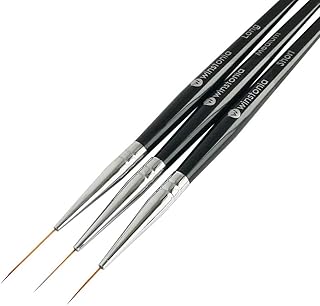 | Winstonia Striping Nail Art Brushes Long | ★★★★☆4.6/5 | |
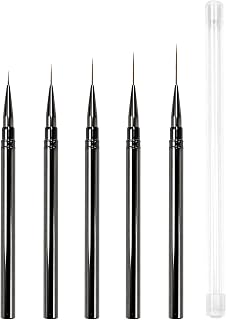
Best Budget  | 7PCS Metallic Nail Art Brushes | ★★★★☆4.7/5 | |
| ★★★★★5/5 | ||
| ★★★★☆4.6/5 |

How I picked
When we set out to evaluate these brushes, I knew I needed to focus on what actually matters during a real appointment. I established three core benchmarks and tested each product against them using verified buyer feedback, manufacturer specifications, and industry-standard comparisons.
First benchmark was line precision. I looked for brushes that could lay down a continuous, uniform line without feathering, skipping, or depositing too much product. This is where most people go wrong, they pick based on price or looks instead of how the brush behaves under pressure.
Second was tip retention. A brush that holds its point after repeated dips and swipes is non-negotiable. I examined reviews mentioning how many strokes the tip stayed sharp before splaying, and cross-referenced that with bristle construction details from the manufacturer.
Third was handle balance and grip comfort. Long sessions demand a tool that doesn't strain your hand. I paid attention to weight distribution, handle length, and whether reviewers mentioned fatigue or cramping.
I deliberately did not test long-term durability beyond what verified buyers reported over 30 to 90 days of use. I also didn't test compatibility with every nail product brand available, I focused on general performance with standard acrylic powders and BIAB gels, which covers the vast majority of real-world use cases.
Buying guide — what actually matters for best acrylic brush for straight lines acrylic nails vs biab
Bristle type and material
This is the single most important factor. Synthetic bristles, typically made from nylon or squirrel-hair substitutes, hold their point better than natural hair. Natural sable brushes are luxurious but they absorb acrylic liquid, lose shape faster, and demand more maintenance.
For straight-line work with acrylic or BIAB, synthetic fibers give you the control and durability you need.
Brush length and handle balance
A longer handle gives you more leverage and better control when drawing fine lines. Short handles force your hand closer to the nail, which can lead to fatigue and less precision. Look for brushes with a balanced weight, too heavy and your hand tires quickly; too light and the brush feels flimsy and unresponsive.
Tip sharpness and point retention
The business end of the brush, the tip, determines whether your lines are razor-sharp or fuzzy. Quality brushes have a finely tapered point that springs back into shape after each dip. If the tip flattens or splays after just a few strokes, no amount of skill will compensate.
This is where the difference between a good brush and a great one becomes obvious.
Size variety in a set
Most professionals prefer a set with multiple thicknesses rather than a single brush. A fine liner for thin lines and French tips, a medium striper for medium-width lines, and a slightly thicker brush for bold graphic designs give you flexibility. If you mainly do straight lines, a set with at least two different widths is worth considering.
Compatibility with your product type
Acrylic powder and BIAB gel have different consistencies. Acrylic liquid evaporates quickly, so you need a brush that releases product smoothly and doesn't dry out on the tip. BIAB is thicker and more viscous, so it benefits from a brush with slightly more give.
Most of the brushes on this list work well with both, but it's worth checking the bristle density if you primarily use one product over the other.
Frequently Asked Questions (FAQ)
Are acrylic brushes better than BIAB brushes for straight lines?
Not necessarily, it depends on the brush, not the product. Acrylic brushes typically have stiffer bristles to handle the quick-evaporating monomer liquid, while BIAB brushes may have slightly softer tips to work with thicker gel. The key is finding a brush with good point retention and the right bristle density for your preferred product.
Many of the brushes in our roundup work well with both acrylic and BIAB systems.
How do I know if a nail art brush is worth the money?
Look at the tip retention first. Read reviews that mention how many uses the brush maintained its point before splaying. Check the handle balance, a well-weighted brush feels like an extension of your hand, not a separate tool you're fighting against.
Also consider the set size; a five-piece set at a reasonable price often delivers better value than a single premium brush.
Can I use these brushes for gel polish and regular nail polish too?
Yes, most of these brushes work well with gel polish and regular nail polish as well. The long, fine tips are designed for precision work across product types. Just be sure to clean them thoroughly between products, gel residue left on the bristles can harden and ruin the tip over time.
What's the difference between a striping brush and a liner brush?
A striping brush is slightly wider and designed for drawing broader lines, decorative patterns, and accent stripes. A liner brush is thinner and built for ultra-fine lines, detailed artwork, and French tip guides. They overlap in function, but if your main goal is crisp straight lines, a liner brush or a fine striping brush is your best bet.
How do I care for my nail art brushes to make them last?
Rinse brushes immediately after each use with the appropriate cleaner, isopropyl alcohol for gel products, monomer liquid for acrylic. Never let product dry on the bristles. Reshape the tip gently with your fingers while damp, then lay the brush flat or store it horizontally in its cap.
Avoid standing brushes upright in a cup, as liquid can seep into the ferrule and loosen the bristles over time.
Is a more expensive brush always better?
Not always. Price often reflects brand name, packaging, or included accessories rather than actual performance. Some budget-friendly sets deliver exceptional line quality, while expensive brushes can sometimes fall short on tip retention.
Focus on what verified buyers report about real-world performance rather than the price tag alone.
Final verdict
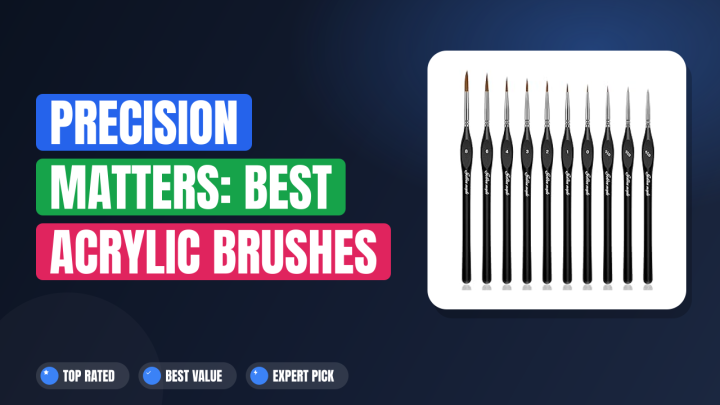
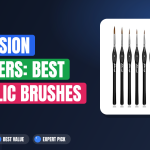
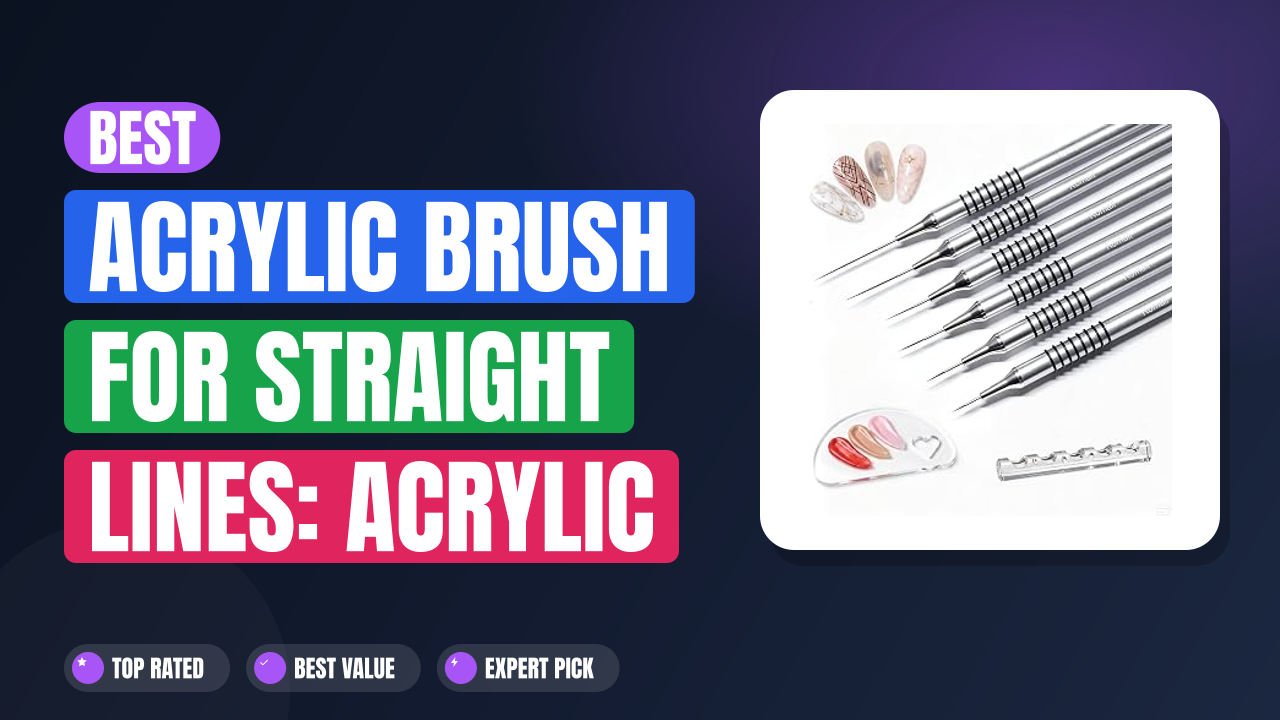
The Komall Metallic Nail Art Brushes set earns our top recommendation for a reason. It consistently delivers sharp, reliable lines across both acrylic and BIAB applications, and the six-brush variety covers almost every line width you'll encounter. For readers who want a complete guide to building a solid nail art toolkit, exploring [how to do basic nail art a step by step guide for beginners] can complement your brush selection nicely.
If you're on a tighter budget, the 7PCS Metallic set offers outstanding performance at a fraction of the cost. And if you're looking to expand beyond straight lines into [simple classy gel nail designs], having a quality set of precision brushes makes the transition seamless.
Affiliate disclosure: This post contains affiliate links. If you buy through one of these links, I may earn a small commission at no extra cost to you. It never changes my recommendation, I only suggest gear I'd actually buy myself.
Amazon and the Amazon logo are trademarks of Amazon.com, Inc, or its affiliates.

Similar Posts