Allergic Reaction to Gel Nail Polish: My Personal Experience
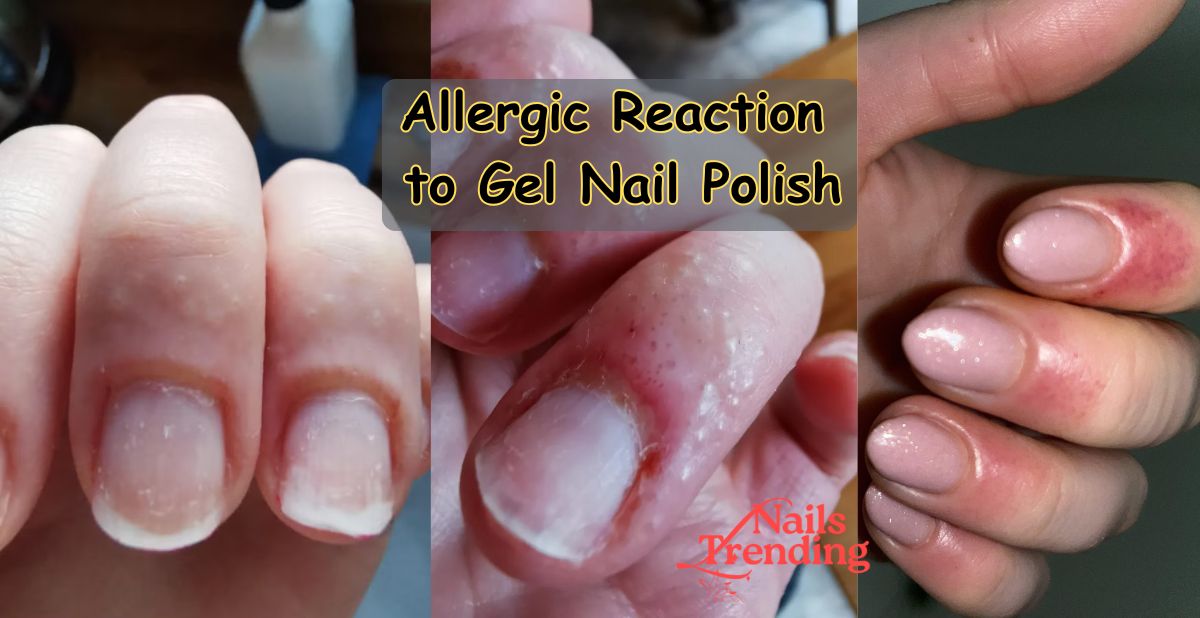
If you’ve ever experienced an allergic reaction to gel nail polish, you already know how confusing and uncomfortable it can be. One day your manicure looks perfect, and the next day your fingers are itching, your skin is irritated, and you’re left wondering what went wrong. I’ve been there too — and in this guide, I’ll walk you through everything I learned from dealing with my own gel polish allergy.
This article is designed to help you understand what’s happening to your nails and skin, why allergic reactions happen in the first place, and most importantly, what you can do to avoid them in the future. Whether you’re a regular gel polish lover, a DIY nail enthusiast, or someone trying gels for the first time, this guide will give you the clarity and confidence you need to protect your nails and health.

Here’s what you’ll learn in this guide:
✔ My personal experience with an allergy to gel polish
I’ll share how my own reaction started, the symptoms I noticed first, and the mistakes I made without realizing it. This part is important because gel allergies often sneak up slowly, and you might not recognize the early warning signs unless someone points them out.
✔ What causes gel nail allergies
You’ll learn about common triggers like HEMA, IBOA, and other acrylates — the key ingredients behind many allergic reactions. I’ll also explain how improper curing, low-quality lamps, and skin contact can make the allergy worse over time.
✔ Signs you might be having an allergic reaction
From itching and redness to more severe symptoms like blistering and nail lifting, I’ll break down exactly what to look for. Many people think “nails itch after gel manicure” is normal — but it’s not, and I’ll explain why.
✔ Safe alternatives to traditional gel products
You’ll discover gentler options such as HEMA-free gel polish, hypoallergenic builder gels, and professional systems like Kokoist Gel that are known for cleaner formulations. These alternatives can help you enjoy long-lasting nails without harming your skin.
✔ How to prevent reactions in the future
I’ll give you practical, easy-to-follow tips to protect your nails — whether you visit a salon or do your gel manicures at home. Proper application, curing, and product selection make a huge difference.
What Is an Allergic Reaction to Gel Nail Polish?
An allergic reaction to gel nail polish happens when your immune system becomes sensitized to certain chemicals found in gel products—most commonly a group called acrylates. These ingredients help gel polish harden under UV/LED light, but for some people, the body eventually starts seeing them as a threat. When that happens, even a tiny amount of contact can trigger redness, itching, or even blisters around the nails.
Many people are surprised to learn that gel allergies don’t always appear immediately. In fact, it’s very common to use gel polish for months—or even years—before any symptoms show up. This delayed reaction is the result of sensitization, meaning your immune system slowly builds an intolerance over time. One day, seemingly out of nowhere, the body says “enough” and reacts.


The Role of Acrylates and Chemicals Like HEMA
At the center of most gel-related allergies is HEMA (2-Hydroxyethyl Methacrylate). It’s a powerful adhesion ingredient used to help gels stick to the natural nail. HEMA is found in many gel polishes, bases, builders, and even nail primers. Unfortunately, it’s also one of the most common triggers of contact dermatitis in the beauty industry.
Other acrylates—like IBOA (Isobornyl Acrylate), HPMA, and Di-HEMA—can also cause problems. These ingredients are incredibly small molecules, which means they can easily penetrate the skin if the protective barrier is compromised.
When these chemicals touch the skin (especially repeatedly), your immune system may react by causing:
- Redness
- Swelling
- Burning
- Intense itching
- Blistering
Even if your nails look perfectly fine at first glance, a gel allergy can still be developing beneath the surface.
Why Allergies Suddenly Appear After Years of Using Gel
One of the most confusing things about gel allergies is that they don’t always start right away. You might use the same brand or the same manicure process for years with zero issues. Then, out of the blue, your nails start itching, your cuticles get red, or your fingertips feel sore.
This happens because:
1. Sensitization Builds Over Time
Your body doesn’t always react the first time it encounters an allergen. But with repeated exposure—like applying gel polish every 2–3 weeks—the immune system eventually becomes more reactive.
2. Product Quality or Formulation Changes
Some brands quietly reformulate their polishes. A formula that was once tolerable may suddenly contain higher percentages of HEMA or different types of acrylates.
3. Improper Curing
Under-cured gel contains unreacted monomers—these are the raw chemicals that cause allergies. This can happen if your lamp is too old, too weak, or not compatible with the product.
4. Skin Contact During Application
Even tiny bits of gel touching the skin (like overflow onto the cuticles) increase sensitization risk. Many people ignore this until symptoms develop.
5. DIY Gel Use
Home users often use mismatched products and lamps, or they may over-file the natural nail, making the skin more vulnerable to allergens.
This is why even long-time gel lovers can suddenly experience symptoms that feel completely out of the blue. And once an allergy develops, it doesn’t usually go away—it becomes a long-term sensitivity.
My Personal Experience With Gel Nail Allergies
I didn’t realize I had developed a gel nail allergy until my nails started reacting in ways that felt completely out of character. What shocked me most was that I had been doing gel manicures for years without a single issue. I loved the glossy finish, the durability, and the freedom of not worrying about chipped polish. But slowly—almost quietly—my nails began sending signals that I didn’t understand at first.
When I First Noticed Symptoms
It started with something small: a little redness around my cuticles. At the time, I blamed it on over-filing or maybe being rough with acetone removal. But each time I applied a fresh set, the redness returned a bit stronger.
Then one day, a few hours after curing my manicure, I felt an odd tingling sensation along the sides of my nails. It wasn’t painful, but it felt wrong—like my skin was irritated from the inside out. Within a day, the tingling turned into a deep, uncomfortable itch.
I remember thinking, Maybe I’m dehydrated.
Or Maybe the lamp is too strong.
Gel allergy never crossed my mind.
How My Nails “Itched After a Gel Manicure”
The itching was the moment everything clicked. It was always the same pattern:
- It started a few hours after curing.
- It intensified at night.
- It felt like a burn deep under the skin.
- No cream, oil, or cold compress helped.
I had never experienced “nails itching after a gel manicure” before, so I went down the rabbit hole of online forums and dermatologist sites. That’s when I discovered that itching is often the very first warning sign of a developing gel allergy.
At that point, I knew something was wrong—but I still didn’t know what was causing it.
Mistakes I Made That Worsened the Reaction
Looking back, I realize I unintentionally made my allergy worse by doing things many gel users also do:
1. Letting Gel Polish Touch My Skin
Even tiny streaks of gel touching the cuticles during application can cause sensitization. I used to wipe it away after curing, not realizing the damage was already done.
2. Using Mismatched Products
Mixing brands—base from one, color from another, topcoat from another—seems harmless, but different formulas require different curing strengths.
3. Using a Weak or Uncertified Lamp
My lamp was old, inexpensive, and probably not curing the gels properly. Uncured monomers are one of the biggest triggers of allergies.
4. Ignoring Early Symptoms
Redness. Swelling. Tightness around the nail bed.
I kept layering gel on top, hoping it would “go away.”
These mistakes slowly pushed my skin past its limit.


How I Finally Identified the Actual Allergen (HEMA, IBOA, Acrylates)
When the symptoms became impossible to ignore, I decided to take a break from gels entirely. Within a week, my skin started healing, which confirmed that something in my manicure routine was the problem.
After researching the ingredients in my gel products, I discovered the main culprit: HEMA.
My base coat, builder gel, and even my color polishes were loaded with HEMA and Di-HEMA, both known to trigger allergic reactions. Some products also contained IBOA, another allergen commonly linked to gel nail dermatitis.
To verify my suspicions, I switched to HEMA-free gels—just to test my skin’s reaction. The difference was instant. No redness. No itching. No burning.
That was the moment everything made sense:
- My symptoms weren’t random.
- My nails weren’t “just sensitive.”
- My body had developed an allergy to specific acrylates.
Since then, I’ve stuck with hypoallergenic builder gels, HEMA-free brands, and more professional curing systems. It took time, but understanding the allergen finally allowed me to enjoy safe manicures again.
Common Symptoms of Gel Nail Polish Allergy
An allergic reaction to gel nail polish doesn’t always look dramatic at first. For many people, it begins with small, subtle changes—things you might easily blame on dryness, cold weather, or over-filing. But as the reaction becomes stronger, the symptoms can spread beyond the nails and affect your skin, hands, and even your face.
Understanding these symptoms early can help prevent the allergy from worsening or becoming permanent. Below are the most common signs, including what it means when “nails itch after gel manicure”, and why that symptom matters more than people realize.
Nail & Skin Symptoms
Gel nail allergies usually show up as contact dermatitis, which means the skin around the nails reacts to ingredients like acrylates, HEMA, or IBOA. Here are the specific signs many people notice:
1. Redness and Irritation
The skin around the nails becomes red or inflamed, especially near the cuticles or sidewalls. Sometimes it looks like you’ve been picking your nails, even when you haven’t touched them at all.
2. Swelling or Puffiness
Mild swelling is common, but in stronger reactions, the fingers can feel tight, warm, and uncomfortable. This swelling may worsen a few hours after applying the gel polish.
3. Itching or Burning Sensation
This is one of the earliest and most important red flags. Unlike regular irritation, allergy itching feels deeper—almost like it’s coming from inside the skin. Some people describe it as a “tingling burn.”
4. Nail Lifting or Peeling (Onycholysis)
As the allergy progresses, the nail plate may begin separating from the nail bed. This is not from trauma—it’s your immune system actively rejecting the allergens.
5. Dry, Cracked, or Flaky Skin
Small patches of dryness or flaking around the fingertips often appear before more noticeable symptoms.
6. Small Fluid-Filled Blisters
Tiny blisters can show up around the cuticles. They may be painful or itchy and tend to burst and crust over within a day or two.
7. Rashes Spreading to the Face or Eyes
This surprises people, but it’s very common:
If you touch your face after touching uncured gel or touching irritated nails, the allergen transfers easily. This can cause:
- red, itchy eyelids
- facial rashes
- dry patches around the lips or cheeks
Many mistake this for eczema, when it’s actually a secondary reaction to gel chemicals.
If you experience several of these symptoms at the same time—especially after each gel application—it’s a strong sign your body is reacting to the ingredients.
“Nails Itch After Gel Manicure” – What This Really Means
If your nails itch after a gel manicure, your body is trying to tell you something important. Itching is one of the earliest and clearest signs of a developing acrylate allergy—even before you notice redness or swelling.
Here’s why the symptom matters so much:
1. Itching Is a Warning Sign of Sensitization
Your immune system has begun recognizing certain gel ingredients as foreign. This is the first stage of an allergy developing.
2. The Itching Starts Hours After Curing
Allergic itching typically begins a few hours later, not immediately. This delay confuses people, so they ignore it—allowing the allergy to worsen quietly.
3. It’s Not Normal and Should Never Be Ignored
A healthy gel manicure should never cause itching, burning, or tingling. Many people blame their lamp or assume the gel “just feels tight,” but itching is a strong indicator of chemical contact.
4. It Signals Skin Contact With Uncured Monomers
Uncured or under-cured gel contains chemical monomers that can easily trigger an immune response. Poor lamp quality, mismatching brands, or applying thick coats can all cause this.
5. Repeated Itching Means the Allergy Is Strengthening
If the itching gets worse with each manicure, the allergy is escalating. Continuing to use the same products can cause permanent sensitivity.
Major Causes of Allergic Reactions to Gel Polish
Allergic reactions to gel polish don’t happen randomly—they’re usually caused by specific ingredients, application mistakes, or improper curing. Understanding the root causes can help you avoid painful symptoms and make safer choices for your nails.
Below are the most common triggers behind gel nail allergies, explained clearly and simply.
1. Exposure to HEMA (Most Common Allergen)
HEMA (2-Hydroxyethyl Methacrylate) is the number one cause of gel nail allergies worldwide. It’s a small, highly reactive acrylate molecule used in many gel nail products to help them stick firmly to the natural nail. Unfortunately, its size and chemical nature allow it to penetrate the skin easily—and that’s where problems begin.
Why Many People React to HEMA
- HEMA is extremely potent and can quickly sensitize the immune system.
- Even small amounts contacting the skin can trigger inflammation.
- Once allergic, the sensitivity is usually lifelong.
Because HEMA is used so widely in the nail industry, most people don’t realize how often they’re exposed.
Which Products Commonly Contain HEMA?
HEMA is found in:
- Regular gel polishes (colors)
- Base coats and top coats
- Builder gels and rubber bases
- Nail primers
- Poly gels and hybrid products
If a product doesn’t specifically say HEMA-free, it likely contains it. For people with sensitive skin, repeated exposure over time increases the chance of developing an allergy—sometimes suddenly, even after years of use.
2. Under-Cured Gel Due to Weak or Incorrect Lamps
Improper curing is one of the most overlooked causes of gel allergies. When the gel doesn’t fully harden under the lamp, it leaves behind unreacted monomers—raw chemicals that easily cause irritation and allergic reactions.
How UV Wavelength Affects Curing
Different gel brands require different UV/LED wavelengths to cure properly. If your lamp is:
- Too weak
- Old or inconsistent
- Missing the correct wavelength spectrum
- Not compatible with your brand
…then your gel won’t cure fully, no matter how long you hold your hand under the light.
Why Under-Curing Leads to Allergies
Uncured gel contains monomers that:
- Migrate onto the skin
- Cause itching, burning, and redness
- Increase immune sensitization
- Build up over time with every manicure
This is why professional nail techs use high-quality lamps designed specifically for their gel system—and why DIY kits often cause unexpected allergies.
3. Improper Application at Home
At-home gel manicures are fun and convenient, but mistakes during application can greatly increase allergen exposure.
Gel Touching the Skin
Even a tiny amount of gel touching the cuticles or sidewalls can penetrate the skin and trigger an allergic response. Wiping overflow after curing does not prevent the reaction—the contact has already happened.
Overfilling the Cuticle Zone
Aggressive filing or pushing back the cuticles can weaken the skin barrier, making it more vulnerable to acrylates.
Repeated Exposure Over Time
The more often gel touches your skin—even slightly—the higher the risk of sensitization. Many people develop allergies simply from doing weekly or bi-weekly gel manicures over several years.
4. Low-Quality or Unregulated Gel Brands
Cheap, unregulated, or counterfeit gel polishes often contain higher levels of acrylates, strong solvents, or poorly balanced formulas that damage the skin.
Why Cheaper Gels Pose a Higher Risk
- They may contain higher concentrations of HEMA, IBOA, or other allergens.
- Ingredient lists are sometimes incomplete or misleading.
- They often require harsher curing and may under-cure easily.
- Quality control is inconsistent or nonexistent.
If your symptoms started shortly after switching to a cheaper brand, it may not be a coincidence—your skin might be reacting to low-quality ingredients.
Patch Testing: How to Know If You Are Allergic
If you suspect an allergy, patch testing can help you identify the culprit before the reaction becomes severe. This is especially helpful if you’re switching to HEMA-free or hypoallergenic gels and want to be sure they’re safe.
Step-by-Step Patch Test (At Home)
- Apply a tiny amount of gel (uncured) to a small area on the inside of your wrist or behind your ear.
- Let it sit for 20–30 minutes (do NOT cure it).
- Wash the area with gentle soap and water.
- Monitor the spot for 24–48 hours.
What to Look For
Signs of a reaction include:
- Redness
- Itching
- Swelling
- Tiny blisters
- Warmth or burning sensation
If any of these appear, you should avoid that product completely.
When to Consult a Dermatologist
- If your symptoms persist longer than a few days
- If your nails are lifting or your skin is cracking
- If your eyes, lips, or face become irritated
- If patch test results are unclear or severe
A dermatologist can perform a professional acrylate patch test, which identifies the exact chemicals your body is reacting to.
Safe Alternatives If You Have a Gel Polish Allergy
The good news is that a gel allergy doesn’t mean you must give up beautiful nails forever. There are safer, low-allergen, and professional-quality alternatives that many sensitive users can tolerate.
HEMA-Free Gel Polish (Best for Sensitive Skin)
HEMA-free gels are created specifically for people with acrylate allergies. They replace HEMA with larger, less reactive molecules that are less likely to penetrate the skin.
What “HEMA-Free” Actually Means
A true HEMA-free gel contains:
- No HEMA
- No HPMA
- No Di-HEMA
These products use alternative adhesion agents that are less likely to trigger allergic reactions.
Popular HEMA-Free Brands
- The GelBottle BIAB HEMA-Free (select formulas)
- Light Elegance P+ Gel Polish
- Red Iguana HEMA-Free Gels
- Clionadh Cosmetics Gel
Pros & Cons
Pros:
- Lower risk of allergic reactions
- Safer for repeated use
- Often gentler formulas
Cons:
- May not adhere as strongly as HEMA-based gels
- Slightly higher cost
- Limited shade range in some brands
Hypoallergenic Builder Gel Options
Hypoallergenic builder gels are designed for people who need durability but struggle with traditional formulas.
How They Differ From Regular Builder Gels
- Contain larger, less reactive acrylate molecules
- Cure more evenly under professional lamps
- Reduced skin absorption
- Gentler on the nail bed
These gels are ideal for overlays, strengthening thin nails, or creating short extensions without triggering irritation.
Kokoist Gel – A Safer Professional Option?
Kokoist, a Japanese professional nail brand, is highly respected for its high-quality, carefully formulated gels. Many people with allergies find they tolerate Kokoist better than cheaper brands.
Why Kokoist Is Considered High-Quality
- Strict manufacturing standards
- Safer ingredient profiles
- Excellent curing performance
- Less likelihood of under-curing
My Personal Experience With Kokoist Products
When I switched to Kokoist, I noticed:
- No itching
- No redness
- No swelling
- Strong wear time
The formula felt lighter and less irritating than most mainstream gels.
Who Kokoist Is Best For
- Sensitive users
- People allergic to lower-quality gels
- Professional nail techs
- Anyone who wants premium results with fewer risks
Other Non-Acrylate or Low-Allergen Nail Options
If gels are no longer safe for you, here are alternatives that still deliver beautiful results:
Regular Nail Polish
- Zero acrylates
- Safe for gel allergy sufferers
- No curing lamp needed
Dip Powder (With Caution)
Dip is acrylate-based, so some people react. But high-quality, low-HEMA dips can be tolerated by some individuals.
Gel Extensions With Low-Allergen Formulas
Some systems use alternatives to methacrylates, making them safer options for extensions or overlays.
How I Treated My Allergic Reaction Naturally & Medically
When I finally realized my symptoms were caused by an allergic reaction to gel nail polish, I knew I had to act fast. Allergies don’t go away by ignoring them—and continuing to apply gels only makes things worse. Below is exactly what I did, step by step, to calm the irritation, heal my skin, and prevent lasting damage.
Immediate Steps I Took
1. Removing the Gel Safely
The first thing I did was remove the gel polish as gently as possible. I avoided peeling, picking, or forcing the gel off, because that would only make the irritation worse. Instead, I used:
- Acetone-soaked cotton + foil wrap
- Gentle scraping after full softening
- No aggressive filing on the inflamed areas
Removing the gel quickly helped reduce ongoing exposure to the allergen.
2. Washing the Area
After removal, I washed my hands thoroughly with mild, fragrance-free soap. This helped remove leftover gel residue or uncured monomers stuck to the skin.
3. Avoiding Scratching or Rubbing
The itching was intense, but scratching only worsened the reaction. Instead, I used a cold compress to soothe the area and reduce swelling.
Treatments That Helped
These treatments made a noticeable difference in my recovery and helped soothe the itching and inflammation.
1. OTC Creams
I found a lot of relief using:
- Hydrocortisone cream for reducing inflammation
- Soothing aloe or calamine gel for calming the itch
- Fragrance-free healing ointments to protect irritated skin
These were especially helpful during the first 48 hours.
2. Moisturizers
Once the itching calmed down, I focused on repairing my hands’ moisture barrier. I used thick, gentle creams with:
- Ceramides
- Hyaluronic acid
- Shea butter
Moisturizing regularly sped up healing and reduced peeling.
3. When to See a Doctor
If symptoms become severe—or don’t improve within a few days—it’s important to consult a dermatologist. You should definitely see a doctor if you have:
- Blisters
- Nail lifting
- Swelling that spreads
- Rash on the face or eyelids
A dermatologist can prescribe stronger topical steroids or perform patch testing to identify the exact allergen.
How to Prevent Gel Nail Allergies in the Future
Even though gel allergies can be scary and painful, they’re also preventable. With the right techniques and product choices, many people can continue doing gel manicures safely.
Here’s exactly what works:
1. Choose HEMA-Free Gel Polish
Switching to HEMA-free formulas drastically reduces the risk of allergic reactions. These formulas use alternative monomers that are less irritating and less likely to penetrate the skin.
2. Make Sure Gel Never Touches the Skin
Skin contact is the #1 cause of sensitization.
Always:
- Keep gel away from cuticles
- Thin out the polish near the skin
- Clean up overflow immediately before curing
Even one tiny spot of cured gel on the skin can trigger a reaction.
3. Use High-Quality UV/LED Lamps
Under-curing is a major cause of allergies. Choose:
- Lamps with the correct wavelength
- Brand-recommended curing systems
- Professional-grade LED/UV lamps
This ensures the gel fully hardens and reduces exposure to raw monomers.
4. Professional Application vs. DIY
If you’re unsure about curing or application, getting gels done by a trained tech is a safer option. Professionals use proper lamps and techniques that minimize mistakes.
5. Take Breaks Between Manicures
Giving your nails and skin time to rest prevents overexposure.
A simple break every few weeks can significantly reduce the risk of irritation.
6. Proper Aftercare
After each manicure:
- Moisturize regularly
- Avoid picking or peeling
- Keep cuticles hydrated
Healthy skin is less likely to react to allergens.
Final Verdict
After going through my own allergic reaction, experimenting with countless gels, and learning what works and what doesn’t, here’s what I personally recommend.
My Preferred Safe Gel Brands
If you have sensitive skin or mild gel allergies, these are the brands I had the best experience with:
- Kokoist
- Light Elegance
- The GelBottle HEMA-Free (select lines)
- Red Iguana HEMA-Free Gel Polish
These brands use higher-quality ingredients and have a lower chance of triggering reactions.
The One Solution That Helped Me the Most
Switching to HEMA-free gels was the biggest turning point in my journey. Once I removed HEMA from my routine, the redness, itching, and swelling disappeared completely.
Encouragement for Readers
If you’re dealing with a gel allergy right now, I promise you’re not alone. It can feel overwhelming, especially if you love gel nails—but there are safe alternatives. With the right products and a little extra care, you can still enjoy beautiful, long-lasting manicures without pain or irritation.
FAQs
Below are clear, direct answers optimized for Google’s Featured Snippets and People Also Ask results.
Q1: What causes an allergic reaction to gel nail polish?
Gel nail allergies are usually caused by acrylates like HEMA, Di-HEMA, or IBOA. These chemicals can irritate the skin, especially if the gel touches the cuticles or if the product is under-cured.
Q2: How do I know if I’m allergic to gel polish?
Common symptoms include redness, itching, burning, swelling, blisters, or the skin peeling around the nails. Itching a few hours after curing is often the first sign of allergy.
Q3: Can I still use gel polish if I’m allergic to HEMA?
Yes—many people can safely use HEMA-free gel systems. However, you must avoid any product containing HEMA, HPMA, or Di-HEMA Methacrylate.
Q4: Are HEMA-free gels safe for sensitive skin?
HEMA-free gels are designed to reduce allergic reactions. While not 100% hypoallergenic, they are much safer for people who react to traditional gel formulas.
Q5: Why do my nails itch after a gel manicure?
Itching is an early sign of allergic sensitization. It usually means uncured gel touched your skin or you’ve developed a reaction to acrylates like HEMA.
Q6: Which gel brands are best for people with allergies?
Kokoist, Light Elegance, and HEMA-free formulas from The GelBottle and Red Iguana are good options. They use safer monomers and cure more consistently.
Q7: Is Kokoist gel hypoallergenic?
Kokoist is not “hypoallergenic,” but it’s a high-quality, low-irritation system. Many people with mild gel sensitivities find it more comfortable than cheaper brands.
Q8: How do I stop my gel allergy from getting worse?
Stop using the product immediately, avoid skin contact, switch to HEMA-free gels, use proper curing lamps, and consult a dermatologist if symptoms persist.
Amazon and the Amazon logo are trademarks of Amazon.com, Inc, or its affiliates.
Author


Similar Posts