Clean, prep, apply thin acrylic layers, shape softly, seal, and nourish cuticles.
If you want salon-smooth nails without extra length, you’re in the right place. I’ll walk you through how to do an acrylic overlay like a pro, using safe methods, real-world tips, and troubleshooting you can trust. By the end, you’ll know exactly how to do an acrylic overlay on natural nails that lasts, looks glossy, and feels strong—without damage.

What is an acrylic overlay?
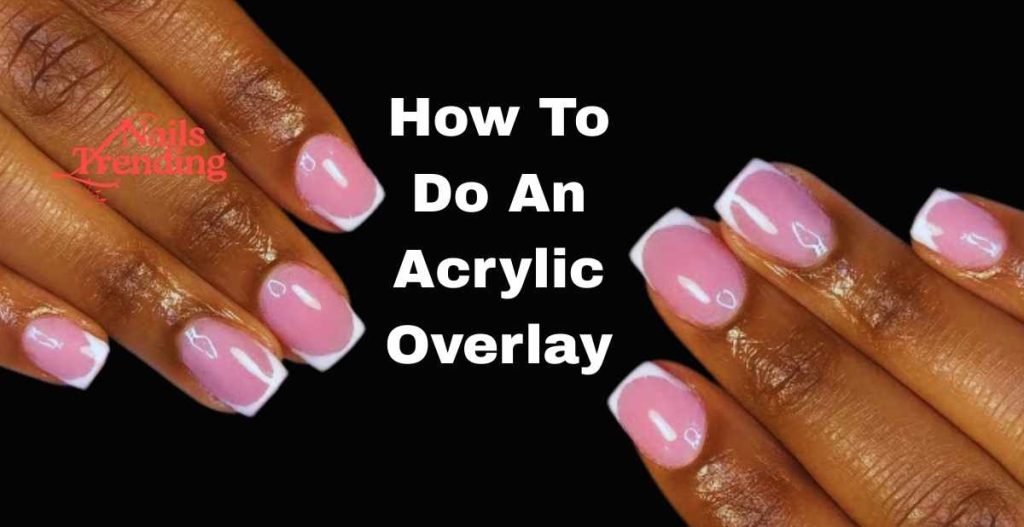
An acrylic overlay reinforces your natural nails with acrylic, but it does not add length. It creates a thin, strong shield that resists chips and splits. The finish can be natural, sheer, or bold with color.
Knowing how to do an acrylic overlay helps you keep your length while boosting strength. It is ideal for people who type, lift, or use their hands a lot. It is also a smart choice if your nails peel or break easily.

Tools and products you need for an acrylic overlay
Gather the right tools before you start. Good prep and clean tools are half the job.
Essentials:
- Nail cleanser or soap and water
- Lint-free wipes
- Cuticle remover and a gentle cuticle pusher
- 180-grit file and a fine buffer
- Nail clippers and a soft brush
- Dehydrator and acid-free primer
- Acrylic monomer (EMA-based) and acrylic powder
- Kolinsky or synthetic acrylic brush (size 8–10 is a good start)
- Dappen dishes for monomer and powder
- Top coat (air-dry or gel top if you use a lamp)
- Cuticle oil and hand cream
- Dust collector or good ventilation and a mask
A note on safety: Choose EMA monomer, not MMA. Industry standards warn that MMA is too hard for natural nails and can cause damage. If you want to master how to do an acrylic overlay safely, good ventilation and clean tools are non-negotiable.
:max_bytes(150000):strip_icc()/acrylicoverlays_recirc-aa73b0a1ae214956958b37f9f3801569.jpg)
Prep like a pro: The foundation of a long-lasting overlay
Prep is where overlays succeed or fail. Take your time here.
- Wash hands and sanitize tools. Dry well.
- Remove old polish. Keep the nail plate clean.
- Shape the free edge with a 180-grit file. Keep edges smooth and even.
- Apply cuticle remover. Gently lift and sweep off dead tissue. Do not cut living skin.
- Lightly buff the shine off the nail. Use a fine buffer. The plate should look matte, not scratched.
- Dust with a soft brush. Wipe with cleanser.
- Apply dehydrator to remove oils. Let it flash dry.
- Apply a thin layer of acid-free primer. Do not flood the cuticles.
Pro tip from the chair: Over-buffing can thin the nail. If you are learning how to do an acrylic overlay, aim for a light, even buff. Think “fog the shine,” not “sand the nail.”
Step-by-step: how to do an acrylic overlay on natural nails
Follow these steps for a clean, durable overlay. Acrylic cures by polymerization in the air. No lamp is needed.
- Set your ratio
Dip your brush in monomer. Wipe the belly of the brush on the dish edge once to remove excess. Touch the powder lightly to pick up a pearl. The bead should look smooth and satin, not dry or runny. - Place the first bead
Start in the center of the nail plate. Gently press and guide the acrylic toward the sidewalls. Keep the product off the skin. Clean the brush often to prevent buildup. - Build the apex
Place a second small bead slightly behind the center to form a soft apex. This adds strength without bulk. Feather the product forward and back to blend. - Perfect the cuticle area
Use a very small bead near the cuticle. Hold the brush at a low angle. Press, do not drag. Leave a hairline space from the skin to prevent lifting. - Smooth the free edge
If needed, add a tiny bead near the tip. Keep the overlay thin and even. You want a natural curve, not a thick slab. - Check side profile and symmetry
Look at the nail from the side and front. The apex should be subtle, with even sidewalls. Add micro-beads only where needed. - Let it set
Wait 2–3 minutes until the surface loses its tack. Tap the nail; it should make a soft “click” when set. - Refine with a file
Use a 180-grit file to refine shape. Keep strokes gentle and controlled. Follow the natural curve of the nail. - Buff to a smooth finish
Use a fine buffer to remove file marks. Dust well. - Seal the overlay
Apply top coat. If using gel top coat, cure per instructions. Finish with cuticle oil once cool.
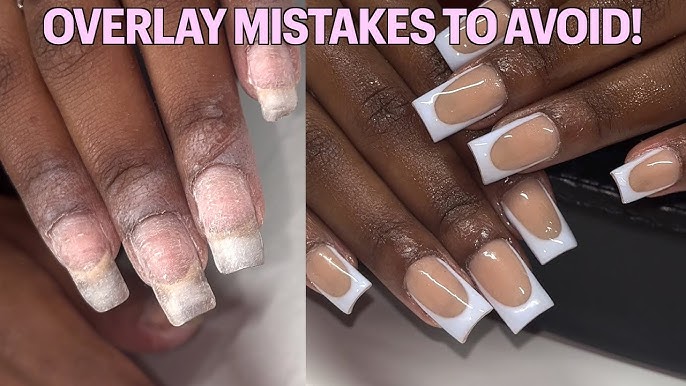
Common mistakes to avoid when learning how to do an acrylic overlay:
- Flooding the cuticles. This causes lifting.
- A wet bead that runs into the sidewalls. Use a drier bead.
- Over-filing the apex. You need that soft peak for strength.
- Touching product to the skin. That can lead to lifting and irritation.
Shaping, refining, and sealing for a salon-smooth finish
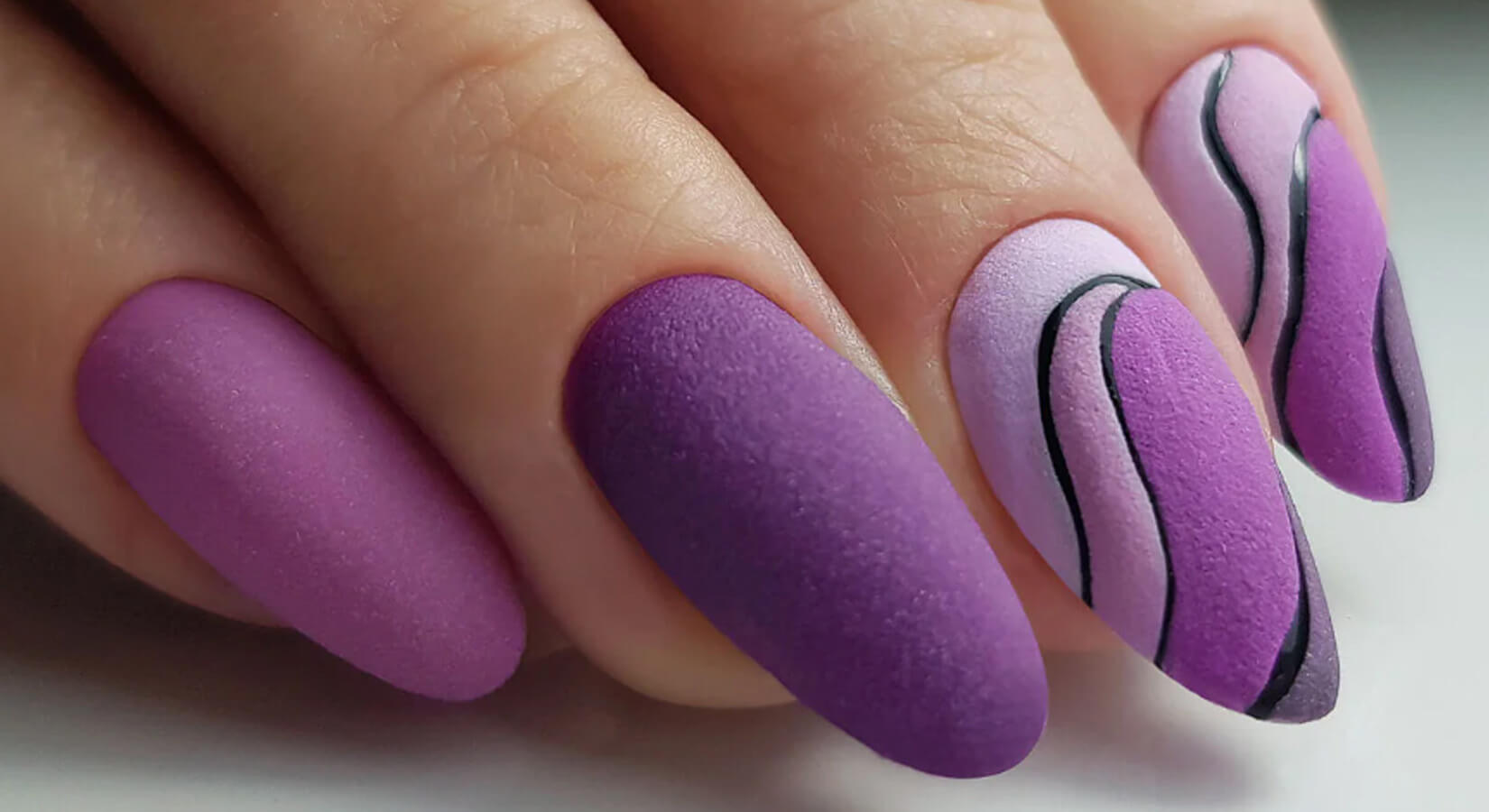
Filing is about control. I like a 180-grit file for shape and a buffer for smoothing. Keep your strokes even and light. File sidewalls first, then free edge, then refine the surface. Focus on a clean cuticle zone and a soft apex.
For shine, apply a thin top coat. Cap the free edge to reduce chips. If you use a gel top, make sure the acrylic is fully set and dust-free. If you are mastering how to do an acrylic overlay, this final pass is where your work looks pro.

Aftercare and maintenance
Acrylic keeps hardening for a day. Avoid very hot water for 24 hours. Use gloves for cleaning and dishwashing.
Daily care:
- Apply cuticle oil morning and night.
- Keep nails at a practical length if you type or lift.
- Book fills every 2–3 weeks as the nail grows.
When you follow these habits, how to do an acrylic overlay becomes about maintenance, not fixes. Oil helps the product flex and keeps the skin healthy.

Troubleshooting: lifting, lumps, heat spikes, and other common issues
If you get lifting at the cuticle, check your prep. Oil, leftover cuticle, or flooded skin are the top causes. Keep a tiny gap around the cuticle and prime well.
If the overlay looks lumpy, your bead ratio is off. Practice pickup on a practice tip to learn the perfect bead. When you practice how to do an acrylic overlay, aim for a satin bead that holds shape but moves when pressed.
If you feel warmth, that is normal polymerization. It should be mild. If it burns, the bead was too large. Use smaller beads and work in layers.
If you see cracks, the overlay may be too thin at the stress point. Add a soft apex and avoid over-filing that area.

Safety, hygiene, and allergies
Ventilation matters. Work with a dust collector and wear a mask. Keep your desk clean and disinfect tools.

Choose EMA monomer. Avoid MMA. It is too rigid and linked to damage on natural nails. Dermatology guidance notes that methacrylate allergies can develop with repeated skin contact. Keep product off the skin and wash your hands after service. If you notice redness or itching, stop and see a professional.
Part of knowing how to do an acrylic overlay is knowing when not to. If the nail is infected, split deep, or painful, skip product. Seek care first.
Cost, time, and pro tips from the chair
Time: A careful acrylic overlay takes 45–75 minutes once you get the flow. Fills are faster at 30–60 minutes.
Cost: In many US cities, overlays range from $35 to $70. Fills are often a bit less. Prices vary with experience, products, and location.
Pro tips I teach beginners learning how to do an acrylic overlay:
- Use smaller beads until you master control.
- Wipe your brush often. A clean brush lays smooth product.
- Look at the nail from every angle. Your eyes will catch what your hands miss.
- Track your file pressure. Light, even strokes win.
Removal without damage
Do not pry off acrylic. That peels layers of your natural nail.
Safe removal steps:
- File the top coat and reduce bulk with a 180-grit file.
- Protect skin with a light coat of balm around the nail.
- Soak cotton in pure acetone. Place on the nail and wrap with foil.
- Wait 10–15 minutes. Gently push off softened product. Re-wrap if needed.
- Buff lightly, cleanse, and apply oil.
Learning how to do an acrylic overlay includes learning how to remove it kindly. Patience protects your nails.
Frequently Asked Questions of how to do an acrylic overlay
How long does an acrylic overlay last?
Most overlays last 2–3 weeks before a fill, depending on growth and care. With oil, gentle filing, and gloves for chores, you can stretch it closer to three.
Can I do an acrylic overlay on short nails?
Yes. Overlays work on short nails and can help you grow them out. Keep the free edge tidy and the apex soft for strength.
What is the difference between an acrylic overlay and extensions?
An overlay adds strength over your natural length. Extensions add length with tips or forms. If you want durability without extra length, choose an overlay.
Do I need a UV/LED lamp for an acrylic overlay?
No. Traditional acrylic cures in air and does not need a lamp. Only the gel top coat needs curing if you choose a gel finish.
Why does my acrylic overlay lift at the cuticles?
Usually it’s prep, moisture, or product on the skin. Clean the nail plate, remove all cuticle, use dehydrator and primer, and leave a tiny gap at the cuticle.
Can I learn how to do an acrylic overlay at home as a beginner?
Yes, with patience, practice tips, and safe products. Start with small beads, practice ratio control, and go slow on filing.
Is MMA monomer really that bad?
Yes for natural nails. MMA is very hard and can cause damage and higher risk of issues. Look for EMA monomer for safe use.
Conclusion
Now you know how to do an acrylic overlay from prep to polish: clean nails, balanced beads, a soft apex, smooth filing, and a sealed shine. With simple daily care and smart fills, your overlay will look fresh and feel strong.
Ready to try? Set up your tools, practice bead control on tips, and follow the steps. Share your results, ask questions, or subscribe for more pro nail guides and tutorials tailored to real-life results.
Amazon and the Amazon logo are trademarks of Amazon.com, Inc, or its affiliates.