5 Importance of Nail Care: Why Healthy Nails Matter More Than You Think
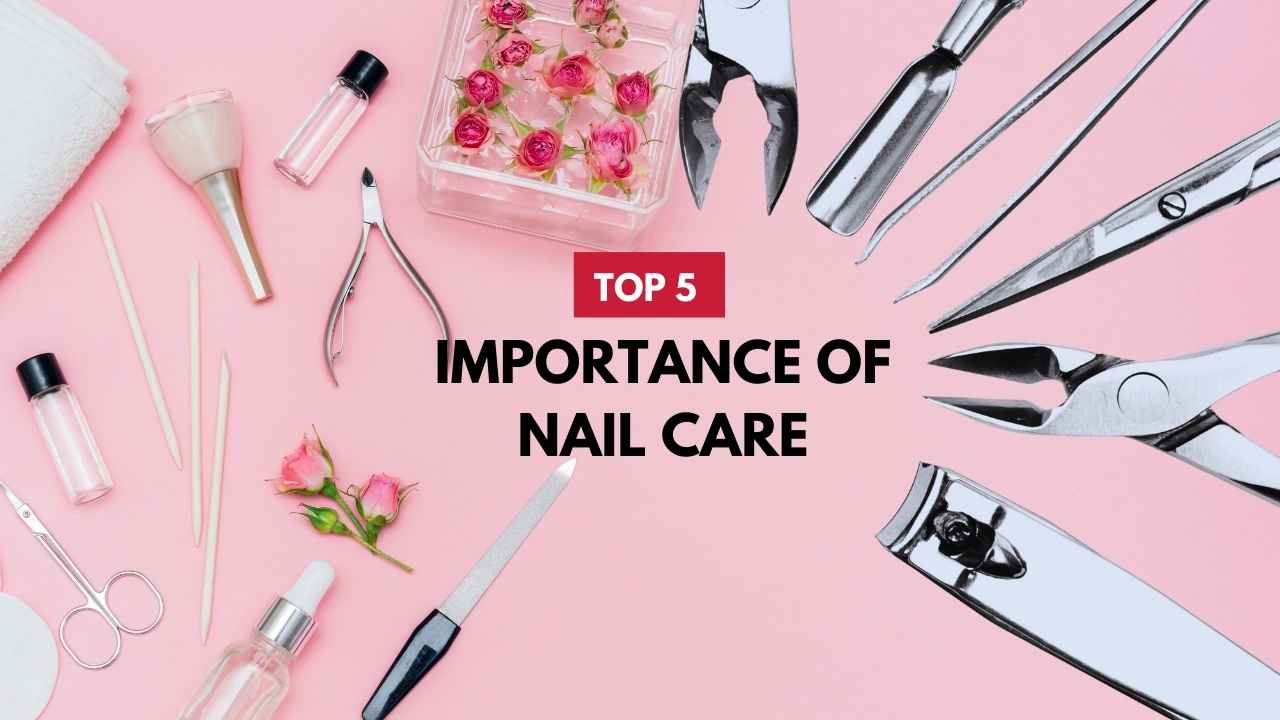
5 importance of nail care is more than just a beauty topic—it’s a simple habit that directly affects your health, confidence, and daily comfort. Most people only notice their nails when something goes wrong: breakage, discoloration, pain, or infections. But healthy nails don’t happen by accident. They are a quiet sign that your body is cared for, clean, and well-maintained.
Your nails protect sensitive fingertips, help you perform everyday tasks, and often give early warning signs about hygiene issues or underlying problems. Ignoring them can lead to cracked skin, bacterial or fungal infections, and even embarrassment in social or professional settings. On the other hand, following the right nail care routine can prevent common problems before they start.

What Is Nail Care and Why Is It Important?
Nail care means keeping your fingernails and toenails clean, trimmed, healthy, and protected from damage or infection. In simple terms, nail care is the regular habit of washing your nails, cutting them properly, moisturizing the surrounding skin, and watching for changes in color, thickness, or shape. If someone asks, “What is nail care?” the easiest answer is this: it’s how you protect your nails so they can do their job without causing pain, infection, or embarrassment.
Understanding the 5 importance of nail care starts with recognizing that nails are not just for appearance. They act as a shield for your fingertips and toes, help you grip small objects, and can even signal health or hygiene problems early. Poor nail care can lead to cracked cuticles, painful hangnails, fungal infections, and bacteria buildup—issues that are uncomfortable and sometimes hard to treat once they develop.
Basic Nail Care vs. Professional Nail Treatment
Many people confuse everyday nail care with professional nail treatment, but they serve different purposes.
Basic nail care is what you should do at home on a regular basis. This includes:
- Washing hands and nails thoroughly
- Trimming nails straight and smooth
- Moisturizing nails and cuticles
- Avoiding biting, picking, or using nails as tools
These simple steps form the foundation of the best nail care routine and help prevent most common nail problems.
Professional nail treatment, on the other hand, is usually needed when there is a specific issue. This may include treating fungal infections, repairing severely damaged nails, managing ingrown nails, or medical-grade care from a dermatologist or licensed nail technician. Professional treatment is not a replacement for daily nail care—it works best because good habits are already in place.
Think of it this way: basic nail care is prevention, while nail treatment is correction.

Who Should Care About Nail Health?
Nail care is not just for beauty lovers or salon regulars. Everyone between the ages of 18 and 60—men and women alike—should care about nail health.
- Working professionals need clean, healthy nails for a polished appearance and hygiene.
- Men often overlook nail care, but rough, cracked nails can lead to infections and discomfort.
- Women who use polish or gel need proper care to prevent thinning and breakage.
- Active individuals and gym-goers are more exposed to bacteria and fungi.
- Older adults benefit from nail care to avoid thickened or brittle nails that can cause pain.
Learning how to take care of fingernails early makes nail care easier over time. With consistent habits and simple nail care tips at home, healthy nails become a natural part of everyday self-care—not an afterthought.
5 Importance of Nail Care
Understanding the 5 importance of nail care helps explain why this small habit has such a big impact on health, appearance, and confidence. Nail care isn’t about perfection—it’s about prevention, awareness, and daily respect for your body. Below are the five most important reasons nail care truly matters in everyday life.
Prevents Nail Infections and Fungal Problems
Poor nail hygiene is one of the most common causes of nail infections. When dirt, moisture, and bacteria stay trapped under long or unclean nails, they create the perfect environment for fungal growth. This is especially common on toenails, but fingernails are just as vulnerable.
From personal observation, many people only seek nail treatment when pain or discoloration becomes impossible to ignore. I’ve seen otherwise healthy individuals struggle with fungal infections simply because they skipped basic habits like drying their hands properly or trimming nails regularly. Once an infection starts, treatment can take weeks—or even months.
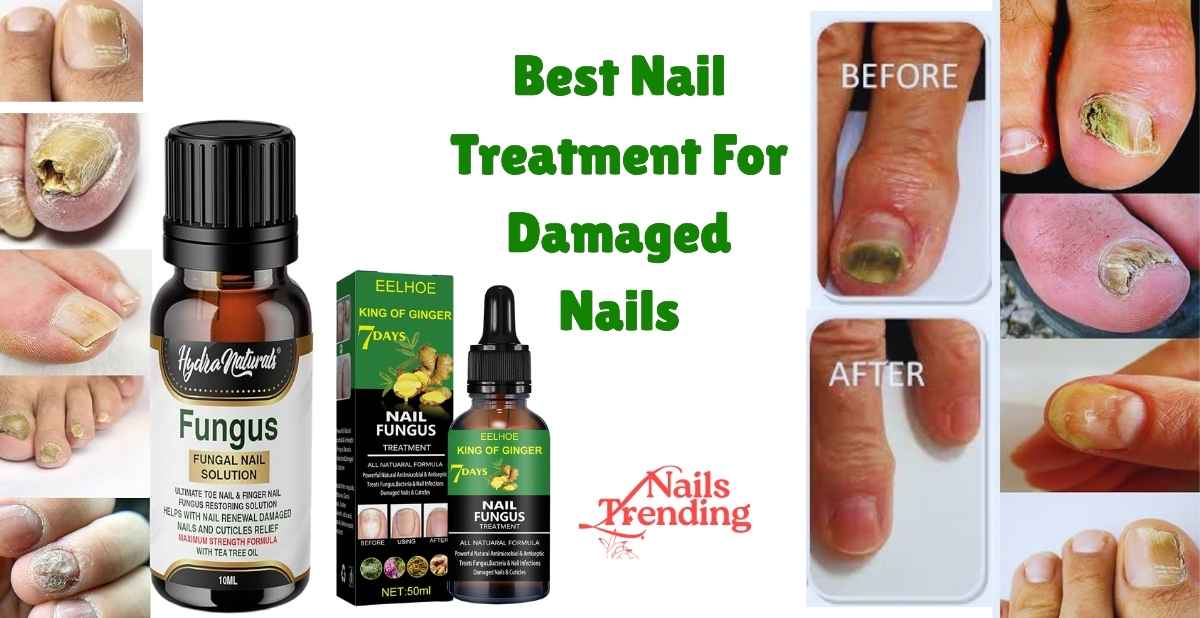
Signs of unhealthy nails you should never ignore include:
- Yellow, white, or green discoloration
- Thickened or brittle nails
- Crumbling edges or foul odor
- Swelling or redness around the nail
Learning how to take care of fingernails—washing daily, trimming weekly, and keeping nails dry—can prevent most infections before they begin. Prevention is always easier, cheaper, and less stressful than treatment.

Improves Overall Hand and Foot Appearance
Your nails play a bigger role in first impressions than you might realize. Clean, trimmed nails instantly signal good hygiene, self-awareness, and professionalism. Neglected nails, on the other hand, can distract—even if the rest of your appearance is neat.
In real-world settings like job interviews, meetings, or social gatherings, hands are constantly visible. Imagine shaking hands with someone whose nails are clean and smooth versus someone with jagged edges and dirt underneath. The difference is noticeable, even if no one says it out loud.
Following the best nail care routine doesn’t require salon visits. Simple steps like filing rough edges, moisturizing cuticles, and keeping nails evenly trimmed make hands and feet look naturally polished. Groomed nails don’t scream for attention—they quietly enhance your overall appearance.
Supports Stronger, Healthier Nail Growth
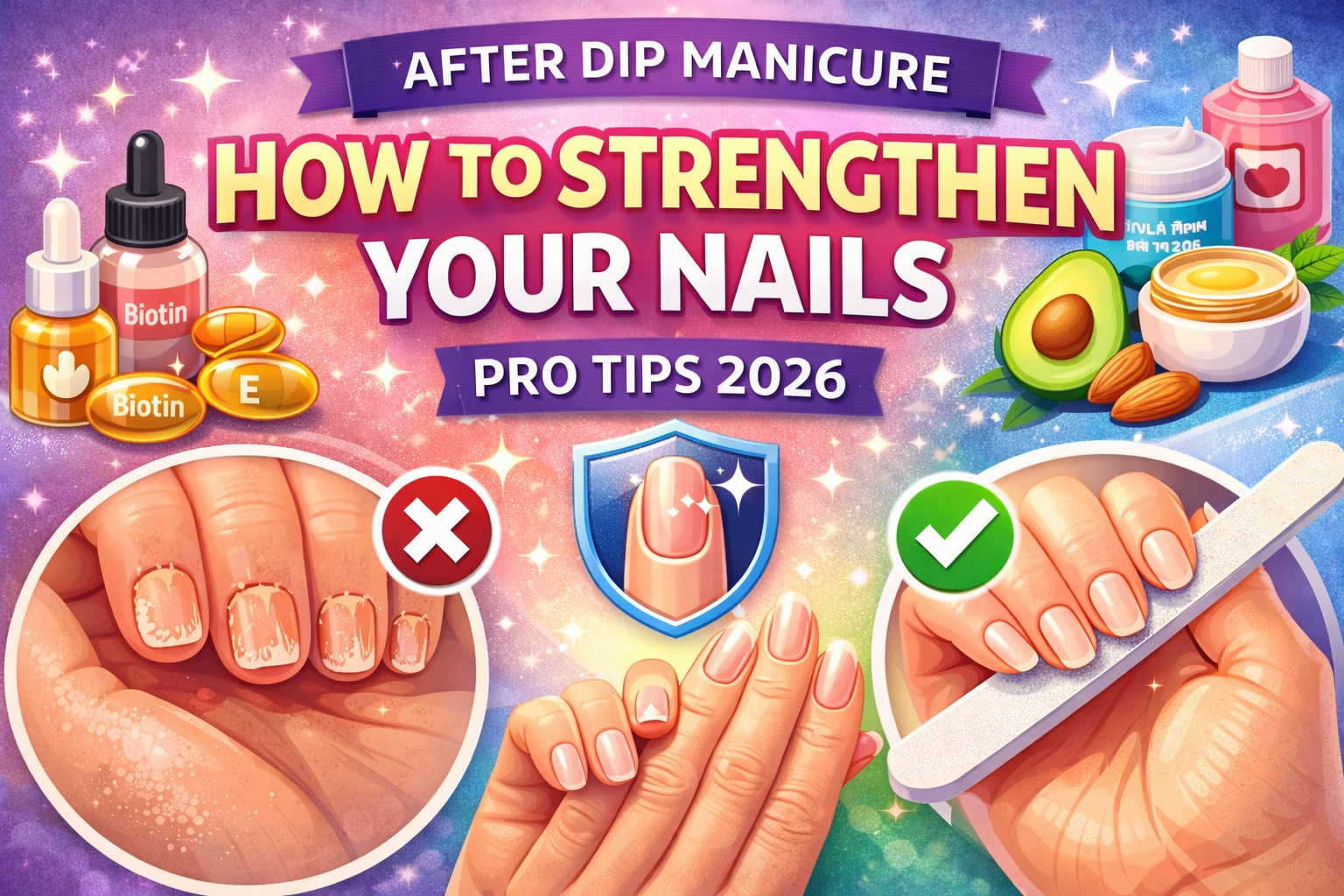
Brittle, peeling nails are often a sign of neglect rather than genetics. Nails weaken when they’re exposed to harsh soaps, frequent water contact, or dryness without proper care. Consistent nail care helps nails grow stronger and break less often.
Moisturizing plays a key role. Dry nails crack easily, while hydrated nails stay flexible and resilient. Trimming nails regularly also prevents splits and snagging, which can cause painful breaks.
A quick expert tip from personal practice: apply hand cream or natural oil before bed and massage it into your nails and cuticles. This small habit dramatically improves nail strength over time.
If you’re wondering how to take care of fingernails for growth, the answer is simple—gentle trimming, hydration, and patience.
Helps Detect Health Issues Early
Nails often reflect what’s happening inside your body. Changes in color, ridges, or texture can signal nutritional deficiencies, circulation issues, or infections.
Common warning signs include:
- Pale nails (possible iron deficiency)
- Deep ridges or grooves
- Dark streaks or sudden color changes
- Extremely thick or slow-growing nails
While not every change is serious, persistent or unusual symptoms should be checked. This is when professional nail treatment or a dermatologist’s opinion becomes important. Paying attention to your nails can help catch issues early—before they turn into bigger problems.

Boosts Confidence and Self-Care Habits
There’s a quiet confidence that comes from knowing you’re well-groomed. Nail care may seem small, but it reinforces a positive self-image and encourages consistency in other self-care habits.
Taking a few minutes each week for nail care tips at home—trimming, cleaning, moisturizing—creates a sense of control and calm. Personally, I’ve noticed that when my nails are clean and healthy, I feel more put-together, even on busy or stressful days.
Nail care becomes a reminder that self-care doesn’t have to be complicated. Small habits, done regularly, build confidence from the ground up—literally at your fingertips.
Best Nail Care Routine for Healthy Nails (Step-by-Step)
If you’re searching for the best nail care routine, the good news is this: healthy nails don’t require expensive products or constant salon visits. What they need is consistency. A simple step-by-step routine, done regularly, is enough to keep nails strong, clean, and problem-free.
Daily Nail Hygiene Habits
Daily care forms the base of healthy nails. These habits take less than five minutes:
- Wash hands and nails thoroughly, especially after outdoor activities
- Dry nails completely to prevent moisture buildup
- Avoid biting nails or peeling cuticles
- Use a gentle hand cream after washing
These small actions protect nails from bacteria and dryness, two major causes of nail damage.
Weekly Nail Maintenance Checklist
Once a week, set aside a short grooming session:
- Trim nails straight across to prevent splitting
- File edges gently in one direction
- Clean underneath nails with a soft brush
- Apply cuticle oil or natural oil
Weekly maintenance keeps nails looking neat and prevents breakage before it starts.

Monthly Nail Treatment Suggestions
Once a month, give your nails extra care:
- Take a polish break to let nails breathe
- Soak nails in warm water with mild soap
- Apply a strengthening treatment or oil mask
This routine is easy to follow and perfectly optimized for long-term nail health.
Nail Care Tips at Home (Easy & Affordable)
Good nail care doesn’t need to be expensive. Some of the most effective nail care tips at home use items you already have.
DIY Nail Care Methods
- Olive oil or coconut oil massages for hydration
- Warm water soaks to soften cuticles
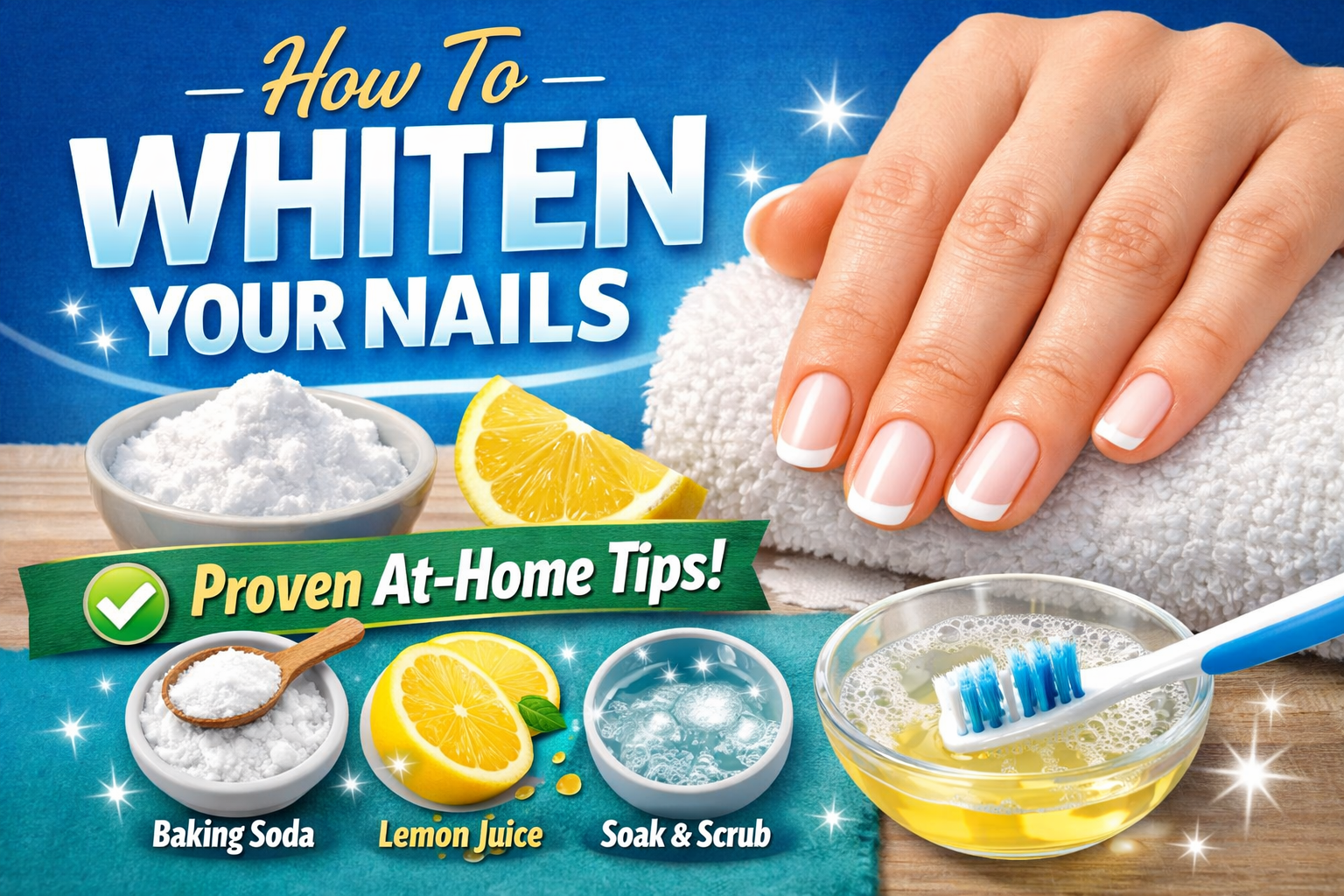
- Lemon juice (occasionally) to reduce mild staining
Tools You Actually Need at Home
You only need a few basics:
- Nail clipper
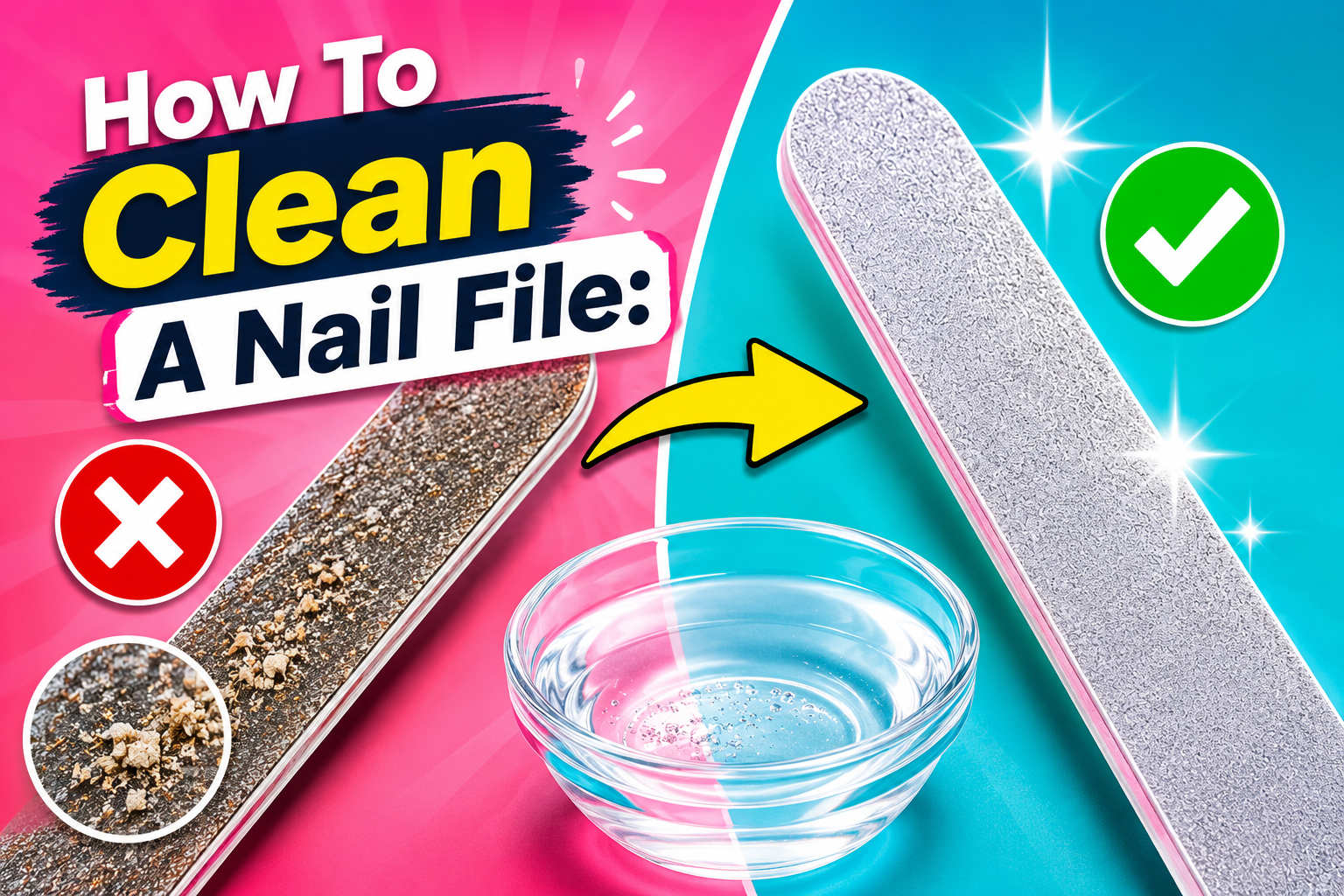
- Nail file
- Soft nail brush
- Moisturizing cream or oil
Over time, I learned that buying too many tools causes confusion. Simple tools, used correctly, work best.
Mistakes I Learned to Avoid
- Cutting cuticles too deeply
- Filing nails back and forth aggressively
- Using nails to open cans or packages
Avoiding these mistakes made a noticeable difference in nail strength and appearance.

How to Take Care of Fingernails Properly
Learning how to take care of fingernails properly prevents pain, damage, and infections.
Correct Trimming Technique
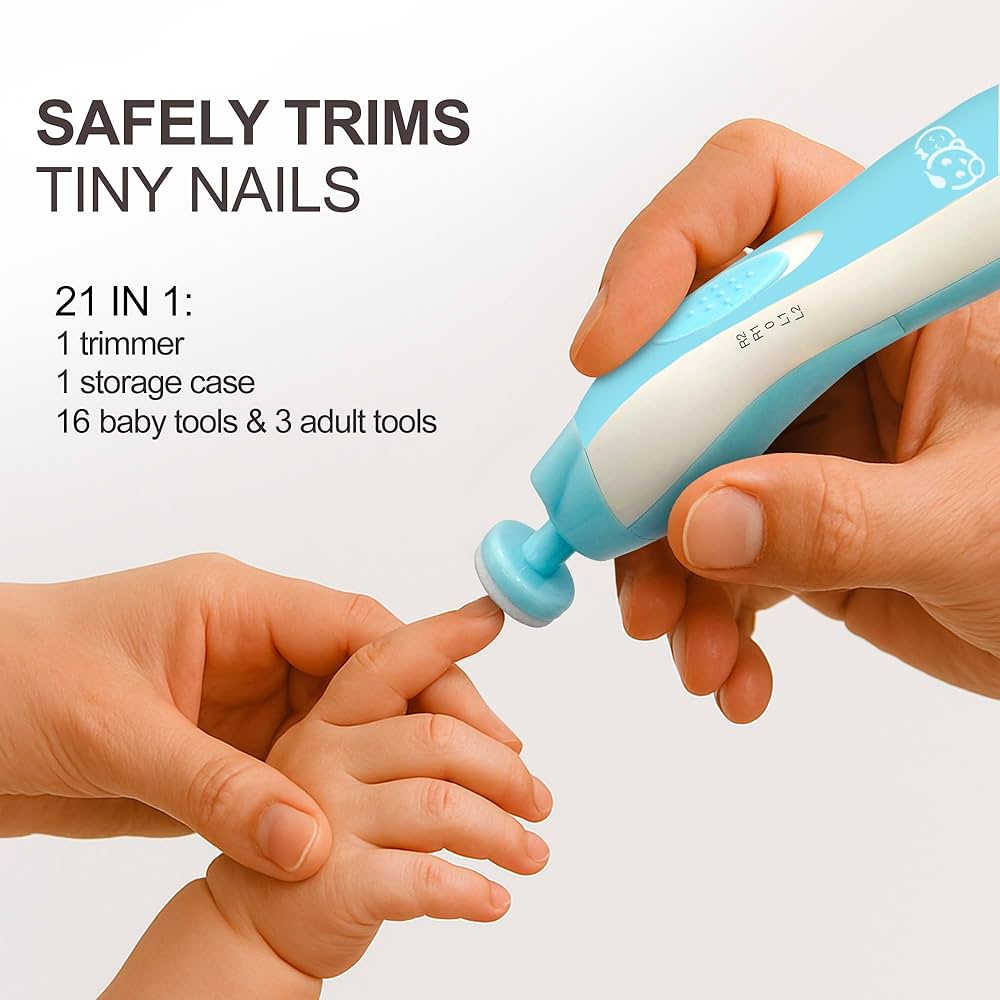
Trim nails when they’re dry. Cut straight across, then slightly round the edges with a file. This reduces splitting and snagging.
Moisturizing and Cuticle Care
Apply moisturizer daily, especially after washing hands. Gently push cuticles back—never cut them aggressively. Healthy cuticles protect nails from infection.
What NOT to Do (Common Mistakes)
- Don’t bite or tear nails
- Don’t remove gel or polish by peeling
- Don’t ignore early signs of damage
Proper fingernail care is about gentle, consistent habits.
When Should You Consider Professional Nail Treatment?
Sometimes, home care isn’t enough. Knowing when to seek nail treatment can prevent long-term damage.
Signs Home Care Isn’t Enough
- Persistent discoloration
- Thickened or painful nails
- Nail lifting or separation
- Repeated infections
Types of Nail Treatments Explained
- Antifungal treatments for infections
- Medical pedicures for severe issues
- Strengthening treatments for weak nails
My Experience with Professional Treatments
In cases of stubborn nail problems, professional treatment saved time and frustration. Combined with good home care, results were faster and longer-lasting.
Professional help isn’t a failure—it’s a smart step when nails need extra support.

FAQs
Why is nail care important for overall health?
Nail care is important for overall health because nails protect sensitive fingertips and toes from injury and infection. When nails are clean and well-maintained, they prevent bacteria and fungi from entering the body through small cuts or cracks. Nails can also reflect early signs of health issues, such as nutritional deficiencies or circulation problems. Regular nail care supports hygiene, comfort, and early detection, making it a simple but powerful health habit.
How often should I follow a nail care routine?
A nail care routine should be followed daily, weekly, and monthly in small steps. Daily habits include washing and drying nails properly. Weekly care involves trimming, filing, and moisturizing. Monthly care focuses on deeper conditioning or rest from polish. This balanced schedule keeps nails strong without feeling overwhelming and fits easily into most lifestyles.
Can nail care prevent infections?
Yes, proper nail care can prevent most nail infections. Keeping nails clean, dry, and trimmed reduces the buildup of bacteria and fungi. Moisturizing prevents cracks where germs can enter, while avoiding nail biting and cuticle damage lowers infection risk. While nail care cannot guarantee zero infections, it greatly reduces the chances of developing painful or long-lasting nail problems.
What is the best nail care routine at home?
The best nail care routine at home is simple and consistent. Wash hands daily, trim nails weekly, moisturize regularly, and avoid harsh chemicals. Use basic tools like a nail clipper, file, and cuticle oil. This routine doesn’t require special products—just attention and regular care. Consistency matters more than complexity.
Is professional nail treatment necessary?
Professional nail treatment is not always necessary, but it becomes important when problems don’t improve with home care. Persistent discoloration, thickened nails, pain, or repeated infections should be checked by a professional. For routine care, home habits are usually enough. Professional treatment works best when combined with good daily nail care.
CONCLUSION
The 5 importance of nail care come down to prevention, appearance, strength, awareness, and confidence. Healthy nails protect you from infections, improve how your hands and feet look, support strong growth, reveal early health signals, and boost everyday self-confidence.
You don’t need to change everything at once. Start simple—trim regularly, moisturize daily, and pay attention to small changes. Over time, these habits become second nature.
Nail care isn’t about perfection. It’s about showing up for yourself in small, practical ways. When you take care of your nails, you’re quietly taking care of your health—and that’s always worth it.
Amazon and the Amazon logo are trademarks of Amazon.com, Inc, or its affiliates.
Author


Similar Posts