The first time I walked into a beauty supply store, I froze.
There were clippers, pushers, files, nippers—metal tools in different shapes and sizes, all laid out like surgical instruments. I remember thinking, Why are there so many nail tools? And how is anyone supposed to know which one does what?
That confusion is incredibly common—especially for beginners. Most people start doing their own nails without ever being taught the names of manicure and pedicure tools, let alone their exact purpose. You’re expected to just… figure it out. And when tools aren’t clearly explained, it’s easy to misuse them, skip important steps, or even hurt yourself.
What helped me most was seeing names and pictures together, with simple explanations. Once I could match a tool’s name to what it actually does, everything clicked. Nail care stopped feeling intimidating and started feeling manageable.
That’s exactly what this guide is designed to do.
By the end of this article, you’ll know:
- The tools used in manicure and pedicure, by name
- What each tool is used for (in plain language)
- Which tools are shared between hands and feet
- And which tools are stronger or different for pedicures
Whether you’re doing nails at home or just want to understand what a nail technician is using, this breakdown will give you clarity—and confidence.
What Are the Tools Used in Manicure and Pedicure?

BUY PRODUCT HERE
If you’re asking what are the tools used in manicure and pedicure, the simplest answer is this: they are specialized tools designed to clean, shape, groom, and protect nails and surrounding skin—on both the hands and the feet.
Manicure vs. Pedicure (Simple Definition)
- Manicure: Care and grooming of the hands and fingernails
- Pedicure: Care and grooming of the feet, toenails, and heels
The goals are similar—clean nails, neat cuticles, smooth skin—but the tools sometimes differ because hands and feet are very different in strength and texture.

BUY PRODUCT HERE
Why Some Tools Overlap
Many tools are used for both manicures and pedicures, such as:
- Nail clippers
- Nail files
- Cuticle pushers
- Buffers
These tools perform the same function on hands and feet, just sometimes in different sizes or strengths.
For example, a nail file shapes both fingernails and toenails—but pedicure files are often coarser because toenails are thicker.

BUY PRODUCT HERE
Why Feet Need Stronger Tools Than Hands
Feet go through more stress every day. Because of that:
- Toenails are thicker and harder
- Skin on heels is tougher
- Calluses form more easily
That’s why pedicure tools are often:
- Larger
- Heavier
- More durable
Using a delicate manicure tool on feet can be ineffective—or even dangerous if it slips.
The Big Picture (Beginner-Friendly Takeaway)
When people feel overwhelmed by nail tools, it’s usually because they think:
“I need to know everything at once.”
You don’t.
Most manicures and pedicures rely on a core set of tools, each with one clear purpose. Once you learn the names and uses, everything else becomes optional—not intimidating.
Manicure Nail Tools Names and Pictures (Hand Care Tools)
These manicure tools are designed specifically for fingernails and the delicate skin around them. They’re smaller, lighter, and more precise than pedicure tools, because hands need control—not force.
Nail Clippers
BUY PRODUCT HERE
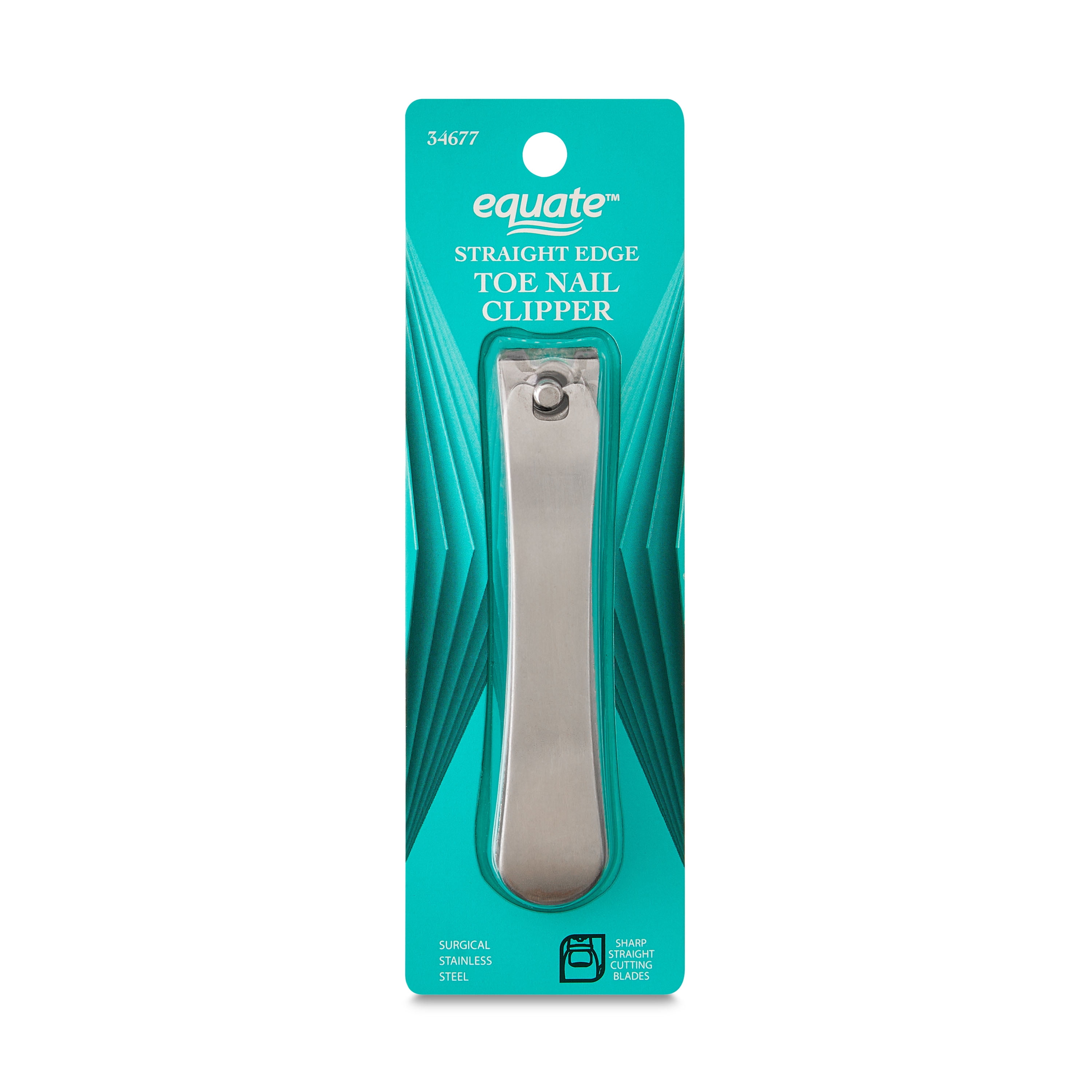
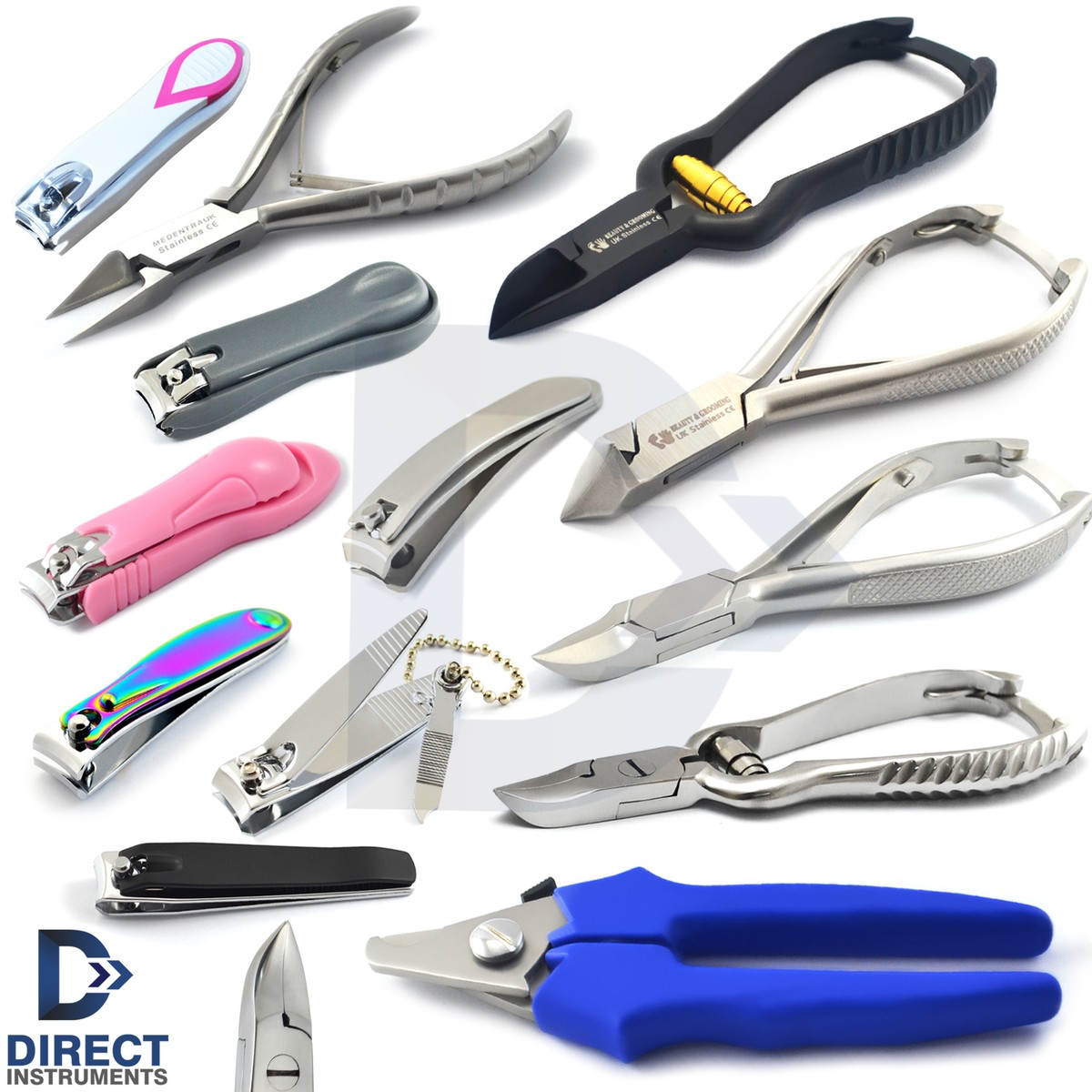
Nail clippers are used to shorten fingernails quickly and evenly before shaping.
- Straight clippers: Best for trimming nails straight across to prevent splitting
- Curved clippers: Follow the natural nail shape and are more common for hands
BUY PRODUCT HERE
What I use them for:
I use curved clippers for regular trims and straight ones when I want a clean, blunt shape. I never clip too close—filing finishes the job more safely.
Nail File (Emery Board / Glass File)


BUY PRODUCT HERE
A nail file shapes and smooths the nail edge after clipping.
Grit levels (simple explanation):
- Low grit (80–180): Rough shaping (not ideal for natural nails)
- Medium grit (180–240): Best for natural fingernails
- High grit (240+): Gentle smoothing and finishing

BUY PRODUCT HERE
Common beginner mistake:
Sawing back and forth aggressively. I learned the hard way—this causes peeling. Gentle filing in one direction works better and keeps nails stronger.
Cuticle Pusher

BUY PRODUCT HERE
Cuticle pushers gently move back the thin skin at the base of the nail.
- Metal pushers: Durable, reusable, precise
- Wooden pushers: Softer, safer for beginners

BUY PRODUCT HERE
Why gentle pressure matters:
Cuticles protect the nail from infection. I only push after soaking or showering—never dry—and I stop the moment there’s resistance.
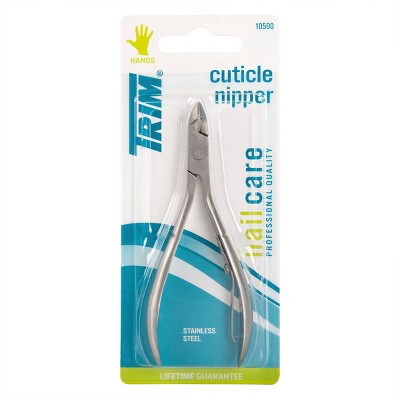
Cuticle Nipper
BUY PRODUCT HERE
Cuticle nippers are used to trim dead skin and hangnails only.
What it cuts (and what it shouldn’t):

- ✔ Loose, dead cuticle skin
- ✔ Hangnails
- ❌ Living cuticle or healthy skin
Safety tip from experience:
If it hurts, stop. I only nip what’s clearly detached. Over-cutting leads to redness, soreness, and slow healing.
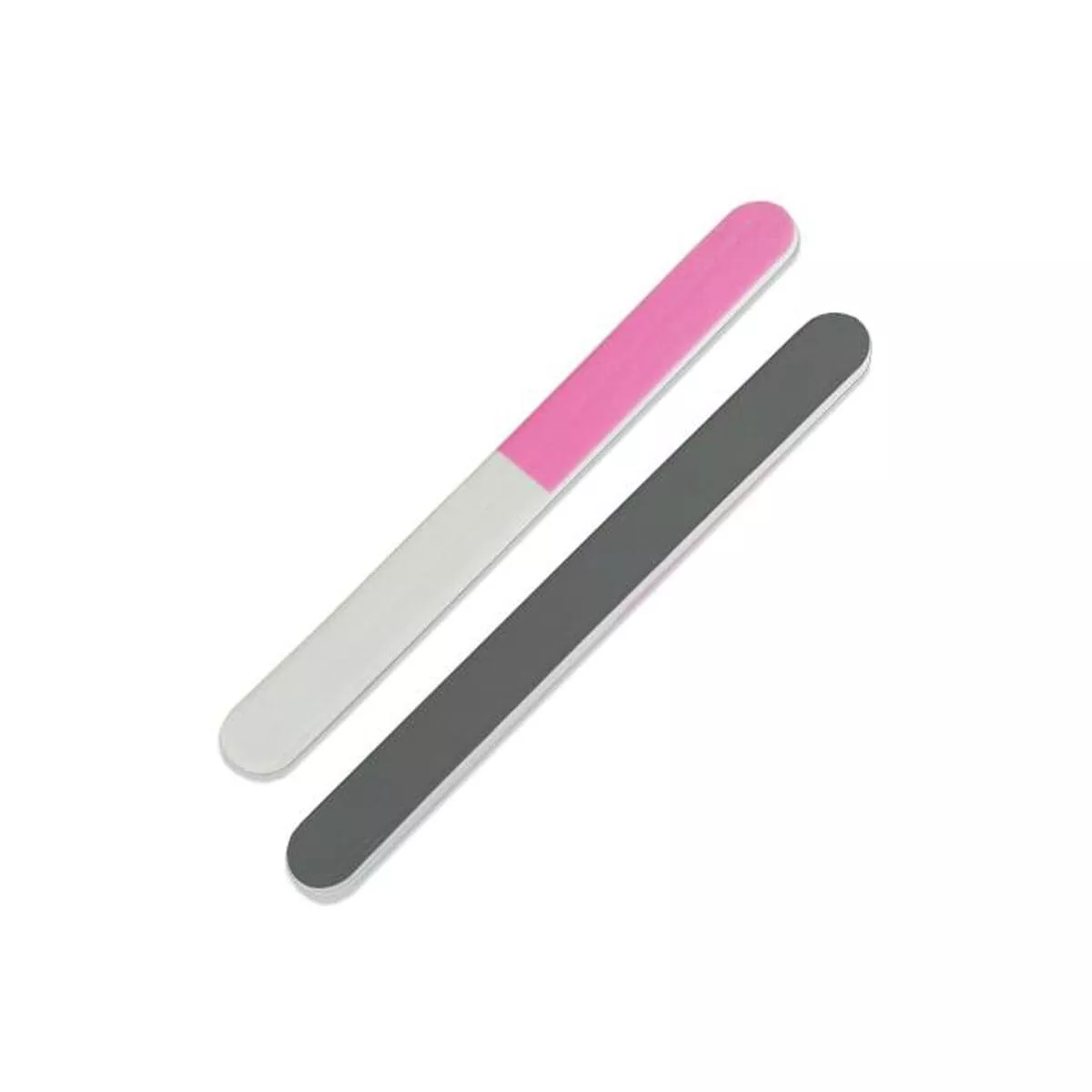
Nail Buffer
BUY PRODUCT HERE
A nail buffer smooths ridges and adds shine without polish.
- 3-way buffer: Shape, smooth, shine
- 4-way buffer: File, refine, smooth, shine
How often I use it:
No more than once every 2–3 weeks. Over-buffing thins the nail, even though it looks glossy at first.
Quick Beginner Takeaway
BUY PRODUCT HERE
For a basic manicure, you only need:
- Nail clippers
- A medium-grit file
- A cuticle pusher
- A buffer (used sparingly)
Everything else is optional—not required.
Pedicure Tools Name with Picture (Foot Care Tools)


BUY PRODUCT HERE
Pedicure tools are built stronger and sturdier than manicure tools because feet deal with thicker nails, tougher skin, and more daily pressure. Using the right tool for foot care isn’t just about results—it’s about safety and comfort.
Toenail Clipper

BUY PRODUCT HERE
Toenail clippers look similar to fingernail clippers—but they’re bigger for a reason.
Why it’s larger than fingernail clippers:

- Toenails are thicker and harder
- More leverage is needed to cut cleanly
- Larger blades reduce splitting and cracking
I always cut toenails straight across, never curved. This helps prevent ingrown nails, which are much more common on feet.
Foot File / Callus Remover


BUY PRODUCT HERE
Foot files smooth rough skin and reduce calluses on heels and soles.
Metal vs. pumice:
- Metal foot files: Effective for thick, dry calluses
- Pumice stones: Gentler, better for regular maintenance

BUY PRODUCT HERE
What I avoid using:
Razor-style callus shavers. They remove skin too aggressively and can easily cause cuts or infections. Gentle, gradual smoothing is safer—and more effective long-term.
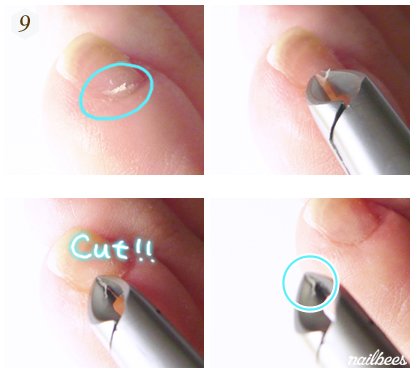
Cuticle Pusher (Pedicure Use)

BUY PRODUCT HERE
The same cuticle pusher used for manicures is used in pedicures—but with more caution.
BUY PRODUCT HERE
Same tool, different pressure:
- Toenail cuticles are thicker
- The nail bed is more sensitive
- Excess pressure can cause soreness
I always soften feet first (after a shower or soak) and use lighter pressure than people expect.
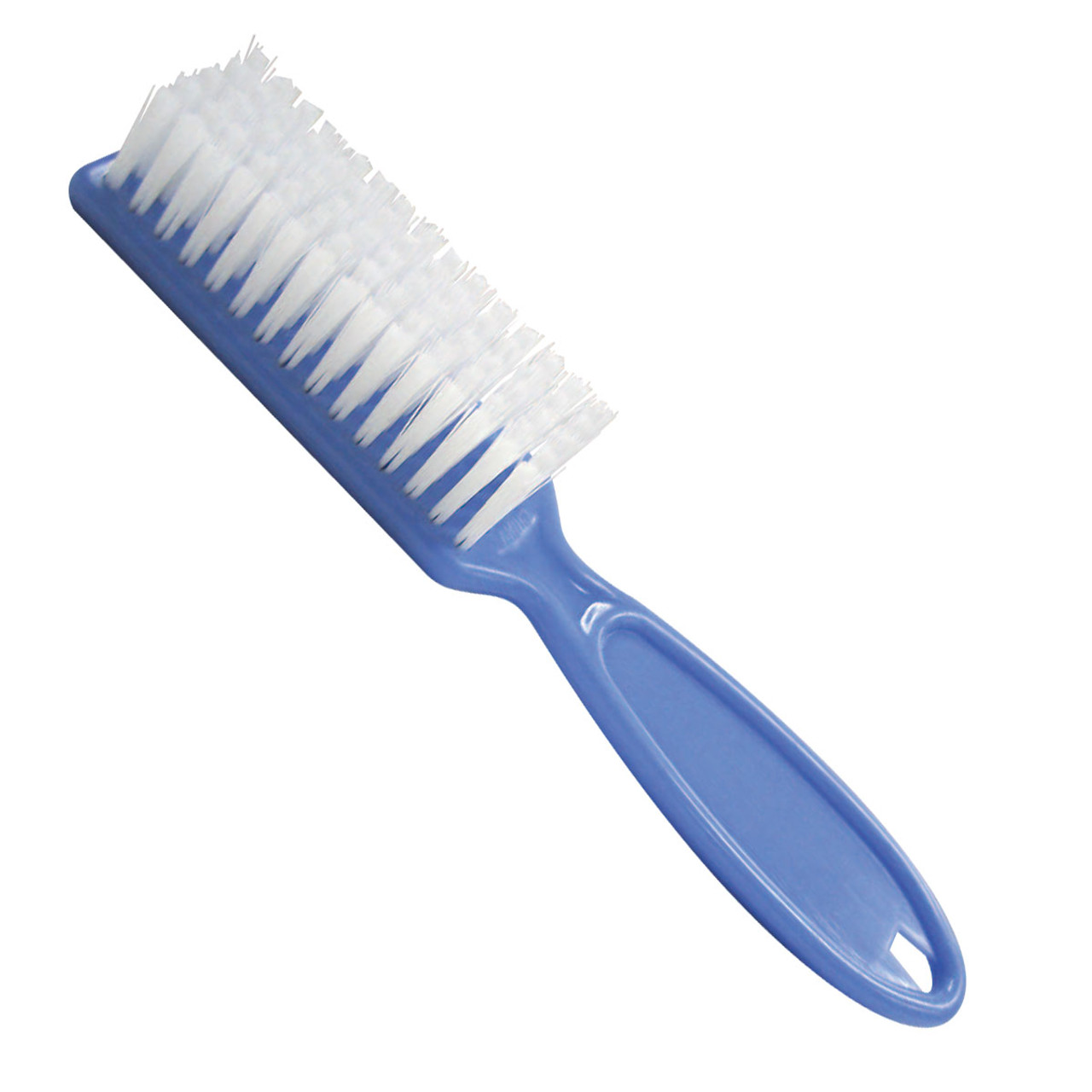
Nail Brush
BUY PRODUCT HERE
A nail brush cleans under and around toenails before trimming or polishing.
Why cleaning nails matters before trimming:

- Removes dirt and bacteria
- Helps you see nail shape clearly
- Prevents debris from being pushed deeper
This is one of the most underrated pedicure tools—and one of the most important for hygiene.
Nail Tools Names You’ll See in a Manicure Pedicure Kit

BUY PRODUCT HERE
If you’ve ever opened a manicure-pedicure kit and felt overwhelmed, you’re not alone. These kits often include more tools than you’ll use daily.
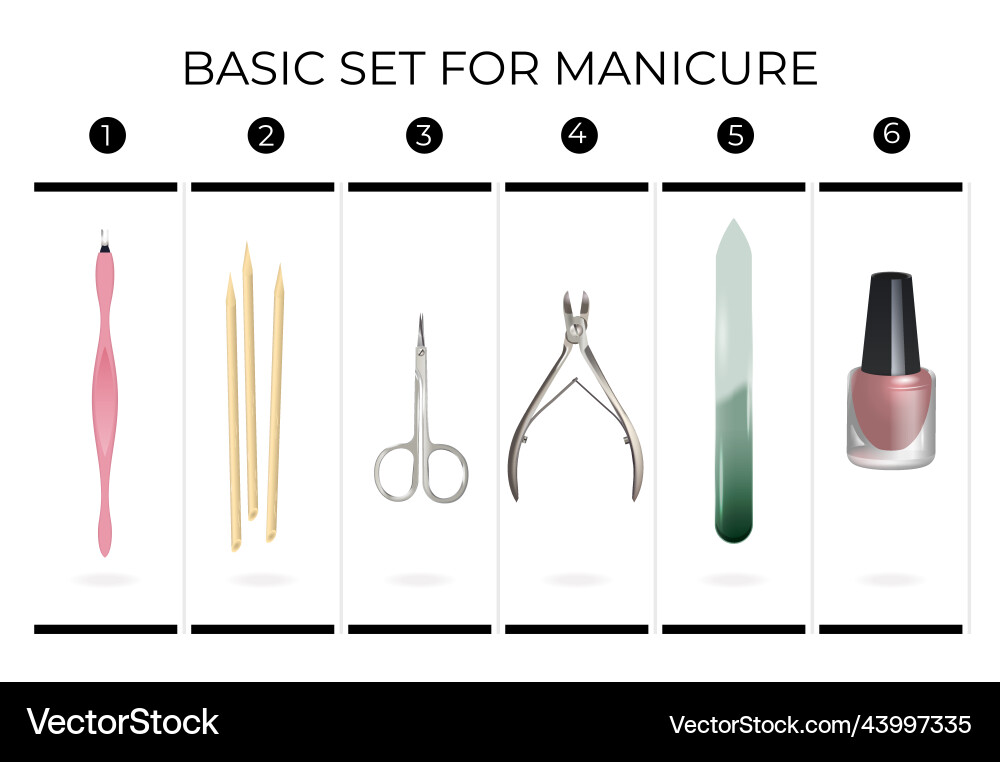
Common Nail Tools in Most Kits
- Nail clippers (small and large)
- Nail files (emery boards or metal)
- Cuticle pushers
- Cuticle nippers
- Nail buffers
- Foot files or pumice stones
Why Kits Include Tools You May Not Use Daily
Kits are designed to cover:
- Hands and feet
- Beginners and advanced users
- Occasional needs (like hangnails or calluses)
That doesn’t mean you need to use every tool every time. Most people rely on just 4–5 core tools regularly and reach for the rest only when needed.
BUY PRODUCT HERE
Beginner-Friendly Takeaway
Don’t feel pressured to master every tool at once. Learn:
- What each tool is called
- What it’s meant to do
- When not to use it
Once you understand the names and purposes of manicure and pedicure tools, nail care becomes much less confusing—and a lot more confident.
Manicure Pedicure Name – What Each Service Includes

BUY PRODUCT HERE
When people hear the words manicure and pedicure, they often think of polish colors. But the manicure pedicure name actually refers to a set of care steps—and each step uses specific tools.
What a Basic Manicure Includes
A basic manicure focuses on hand and fingernail care. Most salons follow a routine like this:
- Nail trimming and shaping
- Filing rough edges
- Gentle cuticle pushing (not cutting)
- Light buffing to smooth the nail surface
- Hand massage or moisturizing
- Optional nail polish
Tools commonly used:
- Fingernail clippers
- Nail file
- Cuticle pusher
- Buffer
At home, many people skip massage steps and still get great results.

BUY PRODUCT HERE
What a Basic Pedicure Includes
A pedicure targets feet, toenails, and rough skin, which is why it uses stronger tools.
Typical pedicure steps:
- Cleaning and soaking feet
- Trimming and shaping toenails
- Cuticle care
- Callus and rough skin removal
- Foot filing and smoothing
- Moisturizing
- Optional polish
Tools commonly used:
- Toenail clippers
- Foot file or pumice
- Nail brush
- Cuticle pusher
Why Salons Use More Tools Than Home Users
Salons:
- Work on many clients
- Follow strict hygiene routines
- Offer extras like massage and exfoliation
At home, you only need tools for maintenance, not full spa treatment. That’s why salon trays look crowded—while home kits can stay simple.
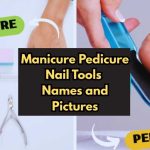
Manicure Pedicure Nail Tools Names and Pictures (Quick Table)
(Great for quick reference, SXO, and featured snippets)
| Tool Name | Used For | Manicure / Pedicure |
|---|---|---|
| Nail Clipper | Trimming nails | Both |
| Toenail Clipper | Cutting thick nails | Pedicure |
| Nail File | Shaping nail edges | Both |
| Cuticle Pusher | Gently pushing cuticles | Both |
| Cuticle Nipper | Trimming dead skin only | Both |
| Nail Buffer | Smoothing and shining | Manicure |
| Foot File | Removing callus | Pedicure |
| Pumice Stone | Gentle foot smoothing | Pedicure |
| Nail Brush | Cleaning nails | Pedicure |
This table alone helps many beginners finally match tool names with their purpose.
Manicure Pedicure Kit Price – What to Expect

BUY PRODUCT HERE
If you’ve searched manicure pedicure kit price in Bangladesh or elsewhere, you’ve probably noticed prices vary a lot. That’s normal—and it’s not just about country.
Why Prices Vary Widely
Kit prices depend on:
- Number of tools included
- Material quality (plastic vs stainless steel)
- Brand and packaging
- Beginner vs professional design
More tools doesn’t always mean better quality.
Beginner vs Professional Kits
Beginner kits:
- Fewer tools
- Basic stainless steel
- Affordable
- Perfect for home use
Professional kits:
- Heavy-duty tools
- Precision cutting edges
- Higher cost
- Designed for daily salon use
Most home users don’t need professional kits.
How Many Tools You Actually Need at Home
For basic care, you really only need:
- Nail clippers (hand + foot)
- Nail file
- Cuticle pusher
- Buffer
- Foot file
Everything else is optional.
BUY PRODUCT HERE
Note on Regional Pricing Differences
Prices vary by region due to:
- Import costs
- Local manufacturing
- Currency differences
What matters more than price is stainless steel quality and comfort in your hand.
Common Mistakes Beginners Make With Nail Tools
BUY PRODUCT HERE
Almost everyone makes at least one of these mistakes at the beginning—including me.
Using Nippers Like Clippers
Cuticle nippers are not nail clippers. They’re only for dead skin. Using them on nails can crack blades and damage nails.

BUY PRODUCT HERE
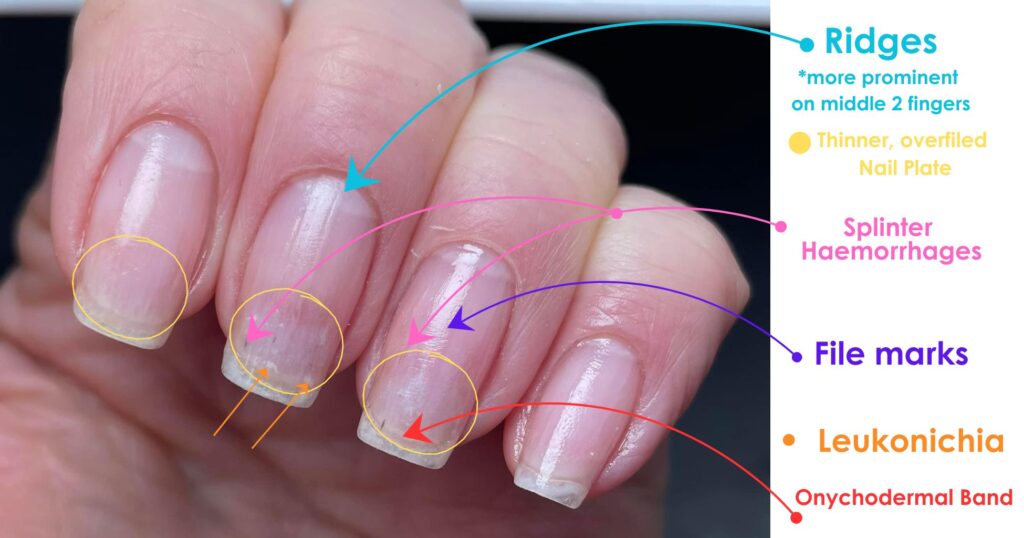
Over-Filing Nails
Filing too much or too aggressively:
- Thins the nail
- Causes peeling
- Weakens edges
Gentle filing beats speed every time.
BUY PRODUCT HERE
Cutting Cuticles Instead of Pushing
Cuticles protect the nail from bacteria. Cutting live cuticle skin often leads to:
- Redness
- Pain
- Infection
Pushing gently is safer.
A Personal Lesson Learned
The biggest lesson I learned wasn’t about buying better tools—it was about using fewer tools correctly. Once I slowed down and respected what each tool is meant to do, nail care became easier, safer, and much more enjoyable.
FAQs – Manicure Pedicure Nail Tools Names and Pictures
These FAQs are written for quick understanding, voice search, and featured snippets—clear answers without technical jargon.
What are the tools used in manicure and pedicure?
The tools used in manicure and pedicure include nail clippers, nail files, cuticle pushers, cuticle nippers, nail buffers, foot files, pumice stones, and nail brushes. Manicure tools focus on fingernails and cuticles, while pedicure tools are stronger and designed for thicker toenails and rough foot skin.
What are the basic nail tools names?
The most basic nail tools names every beginner should know are:
- Nail clippers
- Nail file
- Cuticle pusher
- Nail buffer
These four tools are enough for simple hand and foot nail care at home.
Which tools are only for pedicure?
Tools mainly used for pedicure include:
- Toenail clippers (larger and stronger)
- Foot file or callus remover
- Pumice stone
- Nail brush
These tools are designed for thicker nails and tougher skin found on feet.
Do beginners need all manicure pedicure tools?
No. Beginners do not need all manicure pedicure tools. Most people only use 4–5 tools regularly. Full kits include extra tools for occasional use, not daily routines. Starting simple is safer and less confusing.
What tool removes cuticles safely?
A cuticle pusher removes cuticles safely by gently pushing them back after soaking. Cuticle nippers should only be used to trim dead skin or hangnails, not living cuticle tissue.
Can the same tools be used for hands and feet?
Some tools can be used for both hands and feet, such as:
- Nail files
- Cuticle pushers
- Cuticle nippers
However, clippers and files for feet are usually larger and stronger. Using the correct size improves safety and results.
Are manicure pedicure kits worth buying?
Yes, manicure pedicure kits are worth buying if you choose a simple, good-quality kit. Look for stainless steel tools and don’t worry about having every tool. Comfort and correct use matter more than quantity.
Conclusion
If nail tools ever felt confusing or overwhelming, you’re not alone—and you’re not behind. Learning manicure and pedicure tools becomes much easier once you match the tool name with its picture and purpose. That one shift removes most of the guesswork.
You don’t need to memorize everything or buy professional kits. Start with the basics. Learn what each tool does. Use fewer tools, but use them correctly. Confidence comes from understanding—not from having more equipment.
With time, the names will feel familiar, your hands will move more naturally, and nail care will stop feeling intimidating. Everyone starts somewhere—and learning nail tools is a lot simpler than it looks once you take it one step at a time.
Amazon and the Amazon logo are trademarks of Amazon.com, Inc, or its affiliates.