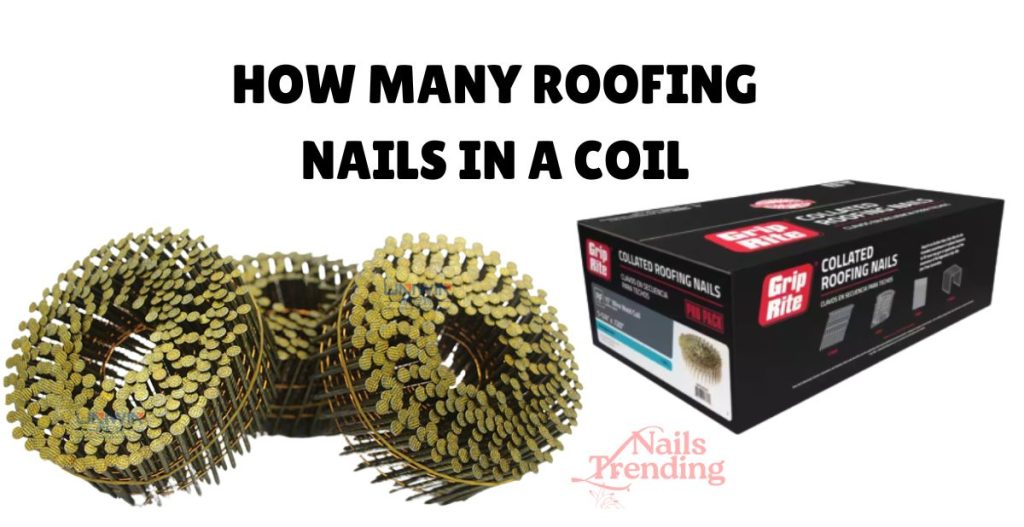
When you’re working on a roofing project, every detail counts. You want everything to go smoothly, right down to the last nail.
But here’s a question that might pop up: how many roofing nails are in a coil? It’s a detail that might seem small, but it’s crucial for planning and executing your project efficiently. Knowing the exact number of nails can save you time, money, and a lot of headaches.
Imagine not having to pause your work to run to the store because you underestimated your supply. We’ll dive into the specifics and make sure you’re fully prepared for your roofing tasks. Are you ready to get started? Let’s find out how you can streamline your next project with this essential information.
Credit: www.homedepot.com
Basics Of Roofing Nails
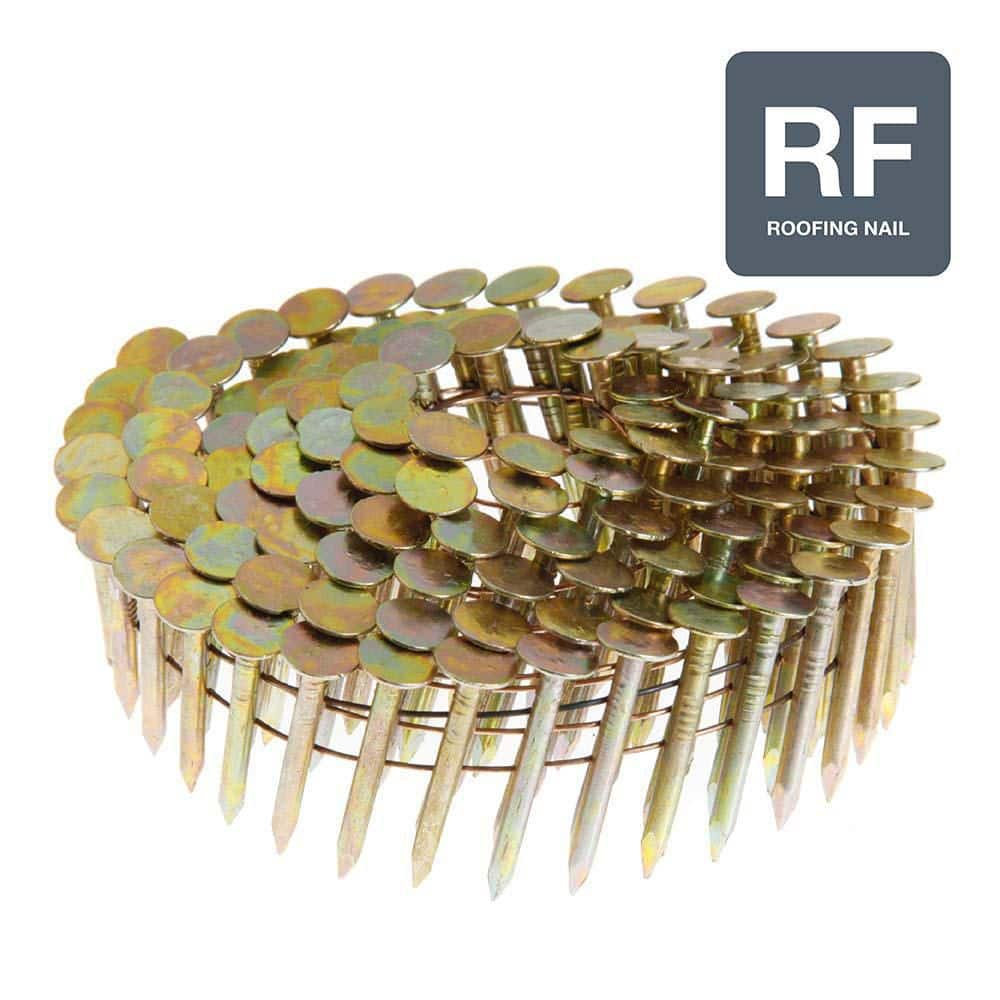
A coil of roofing nails typically contains about 120 to 300 nails. The number depends on the size and brand. Knowing this helps in estimating how many coils you need for a roofing project.
Understanding the basics of roofing nails can make a significant difference in your roofing project. When I first tackled a roofing job, I didn’t realize how crucial choosing the right nail was. This small detail could make or break the durability of your roof. Let’s dive into the essential aspects of roofing nails and discover what you need to know.
Types Of Roofing Nails
Roofing nails come in several types, each suited for different tasks. The most common ones are smooth shank, ring shank, and screw shank. Smooth shank nails are easy to drive in, which saves time. However, ring shank nails provide better holding power, perfect for places with strong winds. Screw shank nails are ideal for hardwoods, offering superior grip.
Materials Used In Roofing Nails
The material of roofing nails plays a vital role in their performance and longevity. Galvanized steel is a popular choice due to its rust-resistant properties. You might remember a time when you had to replace a roof prematurely because of rusted nails. Stainless steel nails are another excellent option, especially in coastal areas where salt can cause corrosion. Aluminum nails are lightweight and good for asphalt shingles, but they aren’t as strong as their steel counterparts.
Sizes And Dimensions
Roofing nails come in various sizes, and picking the right one is crucial. The length of the nail should penetrate the shingle and at least 3/4 inch into the wood deck. A common size for asphalt shingles is 1 1/4 inch long. When you choose the wrong size, it might lead to shingles blowing off during heavy winds. It’s important to measure and ensure you have the right size for your specific roofing material. Understanding these aspects of roofing nails will empower you to make informed decisions. Have you ever encountered a roofing issue due to the wrong choice of nails? Share your experience and insights in the comments below!
Coil Nails Overview
A typical coil of roofing nails contains about 120 to 300 nails, depending on the nail size. These coils are designed for quick loading in pneumatic nail guns, ensuring efficient roofing installation. Choosing the right coil size helps in maintaining project speed and accuracy.
Coil Nails Overview When you’re working on a roofing project, the tools and materials you choose can make a big difference. One crucial component is the coil nail. These nails might seem small, but they play a huge role in ensuring your roof stays intact and secure. If you’ve ever wondered why coil nails are preferred by many professionals, you’re about to find out. Let’s dive into what makes these nails so special.
What Are Coil Nails?
Coil nails are a type of fastener that are commonly used in roofing and other construction projects. They come in a coiled form, allowing them to be used with a nail gun for fast and efficient application. Typically, a coil consists of a series of nails connected by wires. These nails are designed to be loaded into a coil nailer, which can quickly and accurately drive them into your roofing material. Imagine saving time and effort during your roofing project. That’s exactly what coil nails offer. They are available in various sizes and materials, making them versatile for different types of roofing materials. Whether you’re working with asphalt shingles or wooden shakes, there’s a coil nail suited for the job.
Advantages Of Using Coil Nails
Why should you consider coil nails for your next project? First, they offer increased efficiency. With a coil nailer, you can rapidly install nails without frequent reloading, saving valuable time on the job site. This efficiency is a game-changer when you’re racing against weather conditions or project deadlines. Coil nails also provide consistent performance. Each nail is driven with the same force and precision, ensuring a uniform finish on your roof. Have you ever ended a project only to notice uneven nail placement? Coil nails help prevent this common issue. Moreover, using coil nails reduces the strain on your hands and wrists. Traditional hammering can be exhausting, especially over long periods. A coil nailer does the heavy lifting for you, making the job less physically demanding. Considering these benefits, is it time for you to switch to coil nails for your roofing needs? The choice might just simplify your next project and deliver a more professional result.
Determining Nail Count In A Coil
Knowing how many roofing nails are in a coil is crucial for any roofing project. Whether you’re a DIY enthusiast or a professional roofer, getting the count right ensures efficiency and prevents unnecessary trips to the hardware store. Ever found yourself mid-project, wondering if you have enough nails to finish the job? Understanding the nail count in a coil can save you from such dilemmas and keep your workflow smooth.
Standard Nail Counts
Typically, a coil of roofing nails contains around 120 nails. This count is standard across most manufacturers. However, there might be slight variations depending on the specific nail size and coil type. It’s always wise to check the packaging or product description for exact details. Remember, the standard count is just a guideline and not a strict rule.
Factors Affecting Nail Count
Several factors can influence the nail count in a coil. The thickness of the nails is a primary factor; thinner nails might allow more nails per coil. The coil size itself is another consideration. Larger coils may hold more nails than smaller ones. Are you using specialized nails? These could also have different counts due to unique shapes or coatings. It’s important to consider these factors to ensure you have the right number for your specific project.
When planning your roofing project, think about the type of nails you need. Are you using nails for asphalt shingles or wood shakes? Different materials require different nail types and counts. It’s not just about buying the right coil; it’s about understanding how your choice impacts your work.
Have you ever miscalculated your nail supply and had to make an unplanned trip to the store? It’s a common hiccup that many face. To avoid this, ask yourself: how does the nail count in your coil align with your roofing needs? Your answer could make or break your project’s timeline.

Credit: www.theroof.store
Choosing The Right Coil For Your Project
Choosing the right coil of roofing nails is crucial for your project. It ensures efficiency, safety, and the best results. With the right coil, your roofing project moves smoothly. You save time and avoid unnecessary stress.
Project Requirements
Understand your project requirements first. Different projects need different nail lengths and gauges. The type of roofing material also matters. Shingles, metal sheets, or tiles each have specific needs. Match the coil size to these needs. Consider the roof area size too. Larger projects may need more nails per coil.
Compatibility With Nail Guns
Ensure compatibility with your nail gun. Not all coils fit every nail gun model. Check your nail gun specifications. Confirm the coil diameter matches. Nail gun jams waste time. They can cause damage too. Choose coils designed for your nail gun. This ensures smooth operation. It also boosts your efficiency.
Installation Tips For Coil Roofing Nails
Installing coil roofing nails requires precision and care. Proper installation ensures durability and safety. Whether you’re a beginner or seasoned roofer, understanding the basics helps. Using the right tools and techniques is essential. Follow these tips for a successful installation.
Using Nail Guns Effectively
Nail guns simplify roofing tasks significantly. Ensure your nail gun is compatible with coil nails. Adjust the pressure setting before starting. Test on a scrap material first. This prevents damaging the roof material. Hold the gun perpendicular to the surface. This ensures the nail drives in straight. Keep your finger off the trigger until ready to shoot. This avoids accidental firing.
Safety Precautions
Safety is critical during roofing tasks. Wear safety goggles and gloves. They protect against flying debris and sharp edges. Use a helmet to prevent head injuries. Secure your ladder properly to avoid falls. Inspect your tools before use. Faulty tools can cause accidents. Keep your work area clean and organized. This reduces tripping hazards.

Credit: grip-rite.com
Common Mistakes To Avoid
Understanding how many roofing nails are in a coil is just one part of ensuring your roofing project goes smoothly. But there are common mistakes that can derail even the most well-planned jobs. Knowing these pitfalls can save you time and headaches.
Incorrect Nail Size
Choosing the wrong nail size is a frequent error. It might seem trivial, but the nail size impacts the hold and longevity of your roofing. Imagine spending hours on installation, only to find your roof compromised because the nails are too short or too long. Check the specifications for your materials. Are you using shingles or metal roofing? Each has its own requirements.
I once picked nails based on price and ended up with costly repairs. The lesson? Match the nail to the material, not the budget.
Improper Installation Techniques
How you install your nails matters. Misalignment or insufficient depth can lead to leaks or damage. Have you ever noticed uneven rows or popped nails? These are signs of poor installation. Using a nail gun can speed up the process but ensure it’s calibrated correctly.
Think about the long-term effects. Would you want to redo your roof in a year because of quick but careless installation? Take the time to do it right initially.
Common mistakes are avoidable. Pay attention to nail size and installation techniques to ensure your roof withstands the elements. Are you ready to tackle your roofing project with confidence?
Frequently Asked Questions
How Many Nails In A Roofing Coil?
A standard roofing nail coil typically contains 120 nails. This allows for efficient and quick installation. The exact number can vary based on the brand and specific nail size.
What Size Nails Are In A Coil?
Roofing nail coils generally contain nails that are 1 to 2 inches long. The diameter usually ranges from 0. 12 to 0. 14 inches. This size is ideal for securing asphalt shingles.
Are Coil Roofing Nails Galvanized?
Yes, most coil roofing nails are galvanized to prevent rust. Galvanization ensures durability and longevity in various weather conditions. This protective coating is essential for roofing applications.
Can Coil Nails Be Used In All Nail Guns?
Not all nail guns accept coil nails, so check compatibility first. Some nail guns are designed specifically for stick nails. Make sure to choose the correct tool for coil nails.
Conclusion
Calculating roofing nails in a coil helps in project planning. Knowing the count ensures you have enough for the job. It also avoids unnecessary trips to the store. This knowledge saves time and money. Different coils might have varying nail numbers.
Always check the packaging details. Choose the right coil size for your specific needs. This ensures smooth roofing work. Proper preparation leads to better roofing results. Keep this information handy for future projects. Your roofing tasks will go smoothly with the right tools and materials.
Amazon and the Amazon logo are trademarks of Amazon.com, Inc, or its affiliates.